
Commemorating World Oceans Day: 5 Practical Actions to Protect Marine Ecosystems from Home
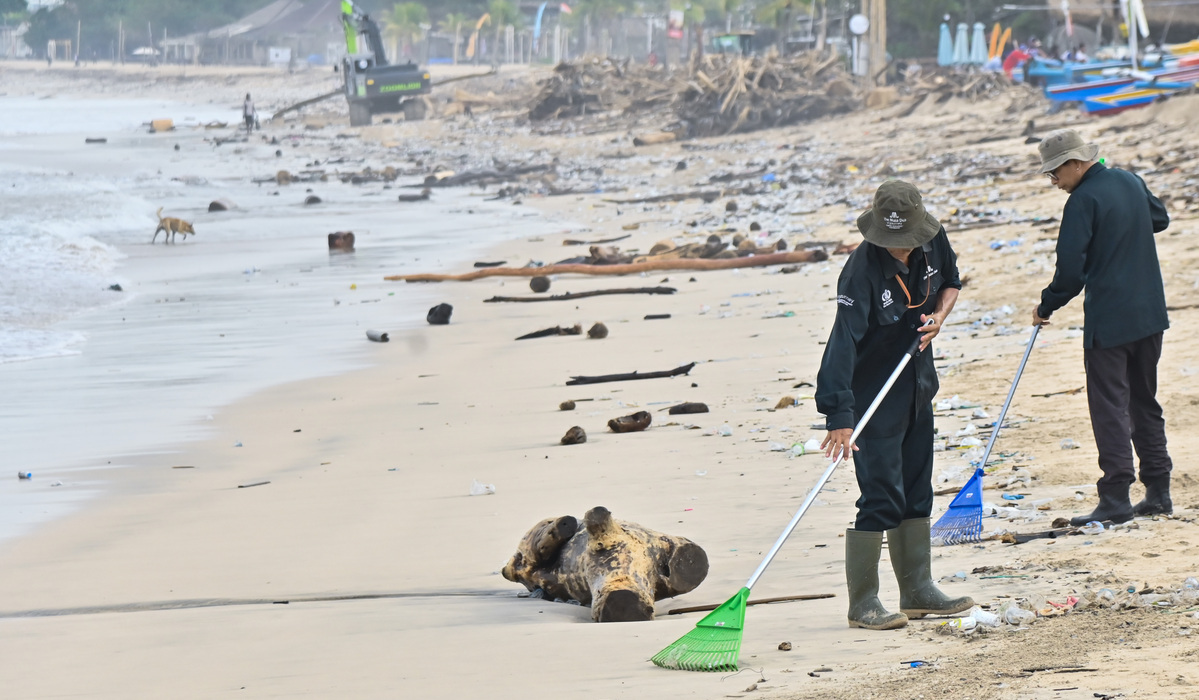
Maintaining marine conservation is often perceived as a massive responsibility reserved solely for environmental activists or governments. However, the health of our oceans is deeply dependent on our daily habits on land. Oceans cover more than 70% of the Earth’s surface, producing the oxygen we breathe and serving as the planet’s largest carbon sink.
The destruction of marine ecosystems due to plastic pollution, chemical waste, and climate change has reached an alarming level. Without concrete steps, future generations face the threat of losing underwater biodiversity. Fortunately, significant change can begin with small steps within the home. Here are five practical actions you can take to keep marine ecosystems sustainable.
Plastic is the number one threat to marine life. Most poorly managed plastic waste on land eventually flows into the sea, breaking down into microplastics and entering the marine food chain. Data shows that millions of marine organisms die every year due to entanglement or the consumption of plastic waste.
Practical step: Reduce single-use plastics and ensure waste is disposed of correctly.
What you pour down your drains at home eventually flows into rivers and ends up in the sea. Harsh chemicals from detergents, floor cleaners, and even used cooking oil can degrade water quality and poison coral reefs and other marine organisms.
Practical step: Use eco-friendly, biodegradable cleaning products and dispose of used cooking oil in a dedicated container.
While it may seem indirect, household energy use is closely linked to ocean health. The burning of fossil fuels increases carbon dioxide (CO2) emissions, leading to rising sea temperatures and ocean acidification. This condition triggers coral bleaching, which destroys the habitats of thousands of fish species.
Practical step: Conserve energy by switching to LED bulbs and turning off unused electronics.
High market demand for certain types of fish often triggers destructive fishing practices, such as overfishing or the use of gear that destroys marine habitats. As a consumer, you have the power to change the trends of the fishing industry.
Practical step: Choose sustainably sourced seafood and avoid species that are overexploited.
The most powerful action is building collective awareness. Protecting the ocean is a marathon, not a sprint. By educating yourself and your family, you are instilling conservation values for future generations.
Practical step: Share knowledge about marine conservation with your community.
Frequently Asked Questions:
Why does household waste reach the sea even if I live far from the coast? Almost all drainage and river systems flow into the ocean. Waste disposed of improperly or chemicals flowing into gutters are carried by currents to the sea.
Can detergents really damage coral reefs? Yes, detergents with high phosphate content can cause eutrophication (algal blooms) in waters, which blocks sunlight and oxygen from reaching coral reefs.
What is ocean acidification and why is it dangerous? Ocean acidification occurs when the ocean absorbs too much CO2 from the atmosphere. This makes the seawater more acidic, making it difficult for organisms like shellfish and corals to form their shells or skeletons.
How can I know if the fish I buy is caught in an environmentally friendly manner? Look for certification labels on packaging or ask the seller about the origin of the fish. Avoid fish caught using trawl nets or fish bombs.
Do small steps from a single household truly make a difference? Certainly. If millions of households take the same small steps, the impact will be massive in reducing the burden of pollution entering the ocean every day.