
Comfortable Homecoming Travel Without Fatigue: Check the List of 6,859 Pilgrim-Friendly Mosques from the Ministry of Religious Affairs
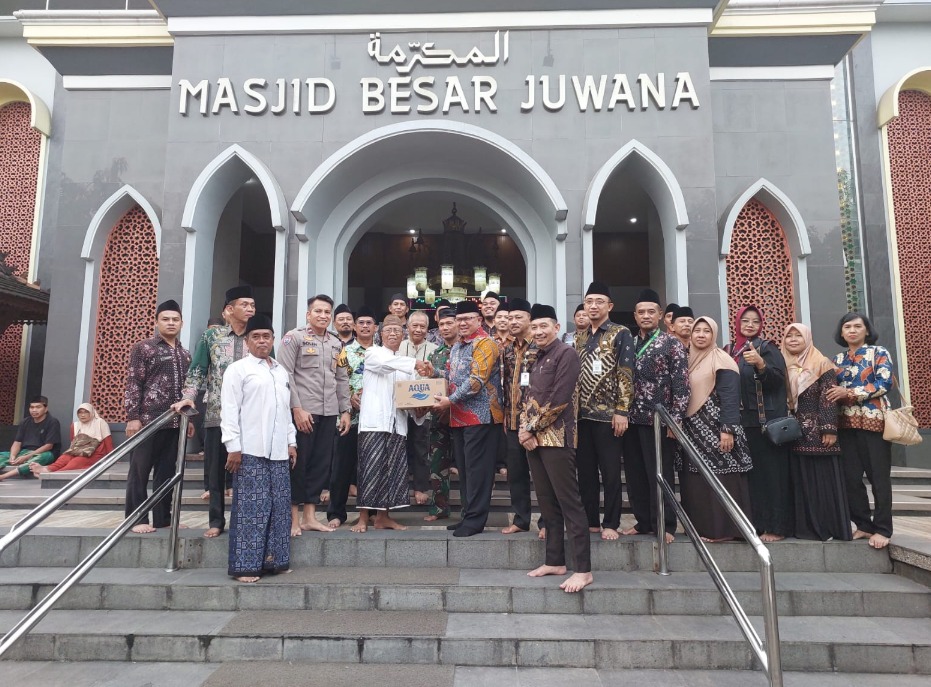
Long-distance journeys during the homecoming period often drain energy and concentration. Understanding these needs, the Indonesian Ministry of Religious Affairs (Kemenag) consistently implements the Pilgrim-Friendly Mosque (MRP) programme. During the Eid homecoming season in 2026 (1447 H), this programme has undergone significant expansion, involving 6,859 mosques along major national routes.
The programme does not merely provide prayer facilities but transforms mosques into comfortable spiritual and physical rest areas for travellers.
The Pilgrim-Friendly Mosque initiative aims to optimise the social function of mosques as centres for community services. Through Ministerial Circular Number 1 of 2026, mosques located on strategic routes are instructed to function as rest areas (rest stops) for 24 hours throughout the entire homecoming and return periods (H-7 to H+7 Eid).
A mosque can be categorised as “Pilgrim-Friendly” if it meets service standards established by the Directorate General for Islamic Community Guidance, including proper facilities, clean water access, and trained staff to assist travellers.
Pilgrims can locate these 6,859 mosques through the Pusaka Super Apps operated by the Ministry of Religious Affairs or through official announcements from the Ministry’s regional offices in each province along the main homecoming routes.
Kemenag emphasises the ASRI principle (Safe, Healthy, Clean, Beautiful). Mosque management committees (Takmir) are obligated to maintain the cleanliness of toilets and main facilities on a regular basis for pilgrim comfort.
Core services at Pilgrim-Friendly Mosques are provided free of charge as part of public service and social worship. These mosques are open to all pilgrims without exception. In the 2026 programme, Kemenag also involved places of worship from other religions to support smooth community mobility.
The 2026 Pilgrim-Friendly Mosque programme represents not merely the provision of physical facilities but a symbol of the state’s hospitality and care. By utilising these facilities, pilgrims are expected to travel in better physical condition and peace of mind until they reach their hometowns.