
Colorectal Cancer Threatens Indonesia, Deputy Health Minister Urges Collaboration to Strengthen Early Detection
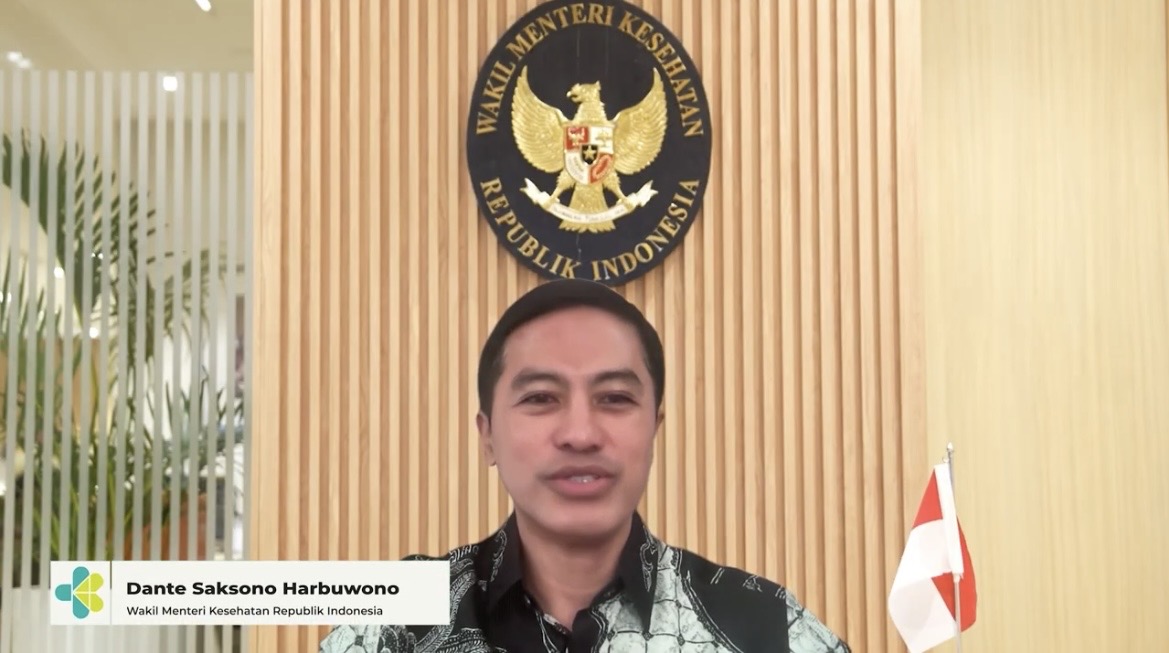
Deputy Health Minister of Indonesia, Dante Saksono Harbuwono, officially opened the 3rd Gastrointestinal Oncology Summit organised by the Indonesian Gastroenterology Association (PB PGI) at The Ritz-Carlton Hotel’s Ballroom in Kuningan, South Jakarta, on Saturday, 30 May. Under the theme ‘Colorectal Cancer Screening and Management: Bridging Gaps for Early Detection and Better Outcomes’, the forum serves as a platform for collaboration between government, academia, and healthcare professionals to strengthen early detection and management of colorectal cancer in Indonesia.
Deputy Health Minister Dante stressed that colorectal cancer remains a major challenge for the national healthcare system. He revealed that the majority of patients in Indonesia present at advanced stages when seeking medical care.
‘If there are 100 colorectal cancer patients presenting at our healthcare facilities today, over 70 will be at advanced stages. It’s not due to negligence, nor because the disease is untreatable, but because it wasn’t detected early enough,’ Dante said.
He added that colorectal cancer is one of the most urgent challenges in global oncology, with over 1.9 million new cases annually, making it the third most common cancer worldwide.
In Indonesia, it ranks fourth in new cases and fifth as a cause of cancer deaths, with over 19,000 fatalities each year.
‘These figures are not just statistics; it’s a crisis demanding a collective response from all of us,’ he said.
As part of efforts to strengthen early detection, the Ministry of Health has integrated colorectal cancer screening into the National Free Health Check-up Programme for those aged 45 and above.
The programme employs a multi-layered approach starting with the Asia-Pacific Colorectal Screening Questionnaire, followed by digital rectal examination and faecal occult blood testing (FOBT) for high-risk groups.
Dante revealed that initial screening results indicate significant gaps requiring urgent attention.
‘Of the five million participants who underwent screening, we found 9,000 positive results from digital rectal exams and 2,000 from FOBT. These figures only account for those who proceeded with further testing. Imagine how many cases remain undetected among those who did not complete screening,’ he said.
Therefore, he stressed that the summit’s theme is not merely a slogan but must guide collective policy to build a more effective colorectal cancer screening system.
‘Early detection is not just an aspiration; it is a policy that delivers tangible and measurable impact,’ he added.
Through this forum, the Ministry of Health hopes experts will produce concrete recommendations to strengthen a national screening programme that is adaptive, evidence-based, and accessible to all demographics.
Dante also emphasised the importance of cross-sector collaboration to reduce colorectal cancer mortality. He stated that the government cannot act alone without support from the medical and academic communities.
‘We need leadership in clinical management, knowledge transfer to primary healthcare services, public education, and data-driven policy advocacy. Every collaborative bridge we build today will offer better prospects for hundreds of thousands of Indonesians awaiting hope,’ he added.
The 3rd Gastrointestinal Oncology Summit is expected to be a pivotal moment for strengthening government-expert synergy in developing a national colorectal cancer screening roadmap, enabling wider early detection and improving patient survival rates.