
Colon Cancer Symptoms Often Mistaken for Haemorrhoids, Experts Warn of Dangers
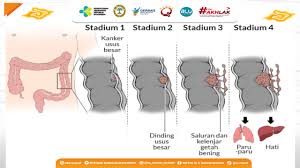
The public is urged to be more vigilant regarding digestive disorder symptoms that resemble haemorrhoids. This is because the symptoms of colon cancer (colorectal cancer) often share similarities with haemorrhoids, causing many patients to receive proper medical treatment too late. Colon cancer is a type of cancer with a high prevalence. However, because its symptoms are often considered trivial, many new cases are only detected when they have reached an advanced stage. Specialist doctors remind that distinguishing between haemorrhoids and colon cancer is crucial for patient survival. One of the main symptoms that often misleads patients is the presence of blood in the faeces. In haemorrhoids, bleeding usually occurs due to the rupture of blood vessels in the anal area. However, in colon cancer, bleeding occurs due to a tumour inside the digestive tract. In addition to bleeding, several colon cancer symptoms that are often misinterpreted as common digestive disorders include persistent changes in bowel habits. Colon cancer found at an early stage has a much higher chance of cure compared to if it has already spread to other organs. If patients continue to treat themselves with haemorrhoid medication without a medical examination, cancer cells have time to grow and spread (metastasis). Risk factors such as a low-fibre, high-fat diet, excessive red meat consumption, obesity, and hereditary factors are the main triggers. Doctors recommend that individuals over the age of 45 or those with a family history of colorectal cancer undergo routine screening. To reduce the risk, the public is encouraged to adopt a healthy lifestyle by consuming high-fibre foods from vegetables and fruits, exercising regularly, and avoiding smoking and alcohol. Early detection remains the main key in facing colorectal cancer. To date, medical data shows that colonoscopy remains the gold standard for detecting polyps or tumour masses in the large intestine before they develop into deadly cancer.