
Colombian Election Results: A Decisive Moment for Peace Talks or Military Action
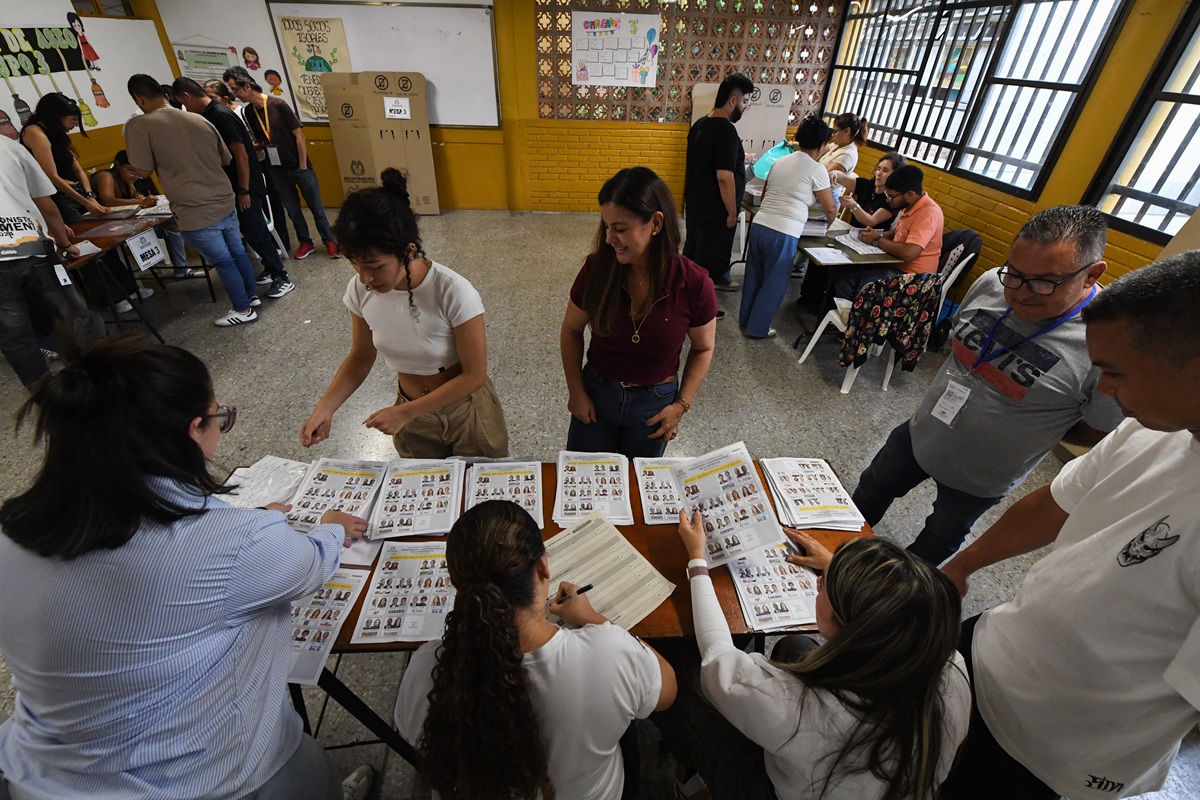
Voting in Colombia’s presidential election officially concluded on Sunday local time. This high-stakes election will determine the country’s future, whether to continue peace talks with armed groups or shift to tough military action. Pre-election polls showed left-wing senator Ivan Cepeda leading by a narrow margin, though he faces strong opposition from right-wing lawyer Abelardo de la Espriella. Broadly, the election serves as a referendum on incumbent President Gustavo Petro’s ‘total peace’ policy, which focuses on negotiating with guerrillas and drug trafficking groups. The policy has drawn criticism for allegedly empowering criminal gangs, leading to a surge in violence and record cocaine exports. This situation was compounded by campaign-related incidents, including car bombings, drone attacks, and the assassination of a major candidate, Miguel Uribe. Catalina Devia, 42, a marketing executive who voted for De la Espriella, expressed frustration with the current government. ‘The government is strengthening armed groups by being too soft. Many Colombians are considering emigration,’ she said. De la Espriella, 47, the right-wing candidate who calls himself ‘The Tiger’, pledged to confront armed groups in the air, on land, and at sea. ‘We will win in the first round,’ he said after casting his vote. On the other hand, Ivan Cepeda, 63, enjoys strong support from voters who appreciate Petro’s social welfare programmes, such as minimum wage increases, higher education budgets, and land redistribution for the poor. A Bogota teacher, Pedro Barragan, 52, voiced support for the left-leaning policies. ‘I think we’ve made significant progress in education… protecting the environment, social justice, and human rights,’ he said. Meanwhile, conservative senator Paloma Valencia, in third place, also supports a military approach to attract centrist voters. Despite tensions in rebel-held areas before the election, voting day passed peacefully. The Colombian government deployed over 400,000 police and soldiers nationwide to secure polling stations. Whoever replaces Petro will need to prepare to confront various criminal groups involved in drug trafficking, illegal mining, and extortion.