
Collectibles market grows amid dynamic lifestyle trends
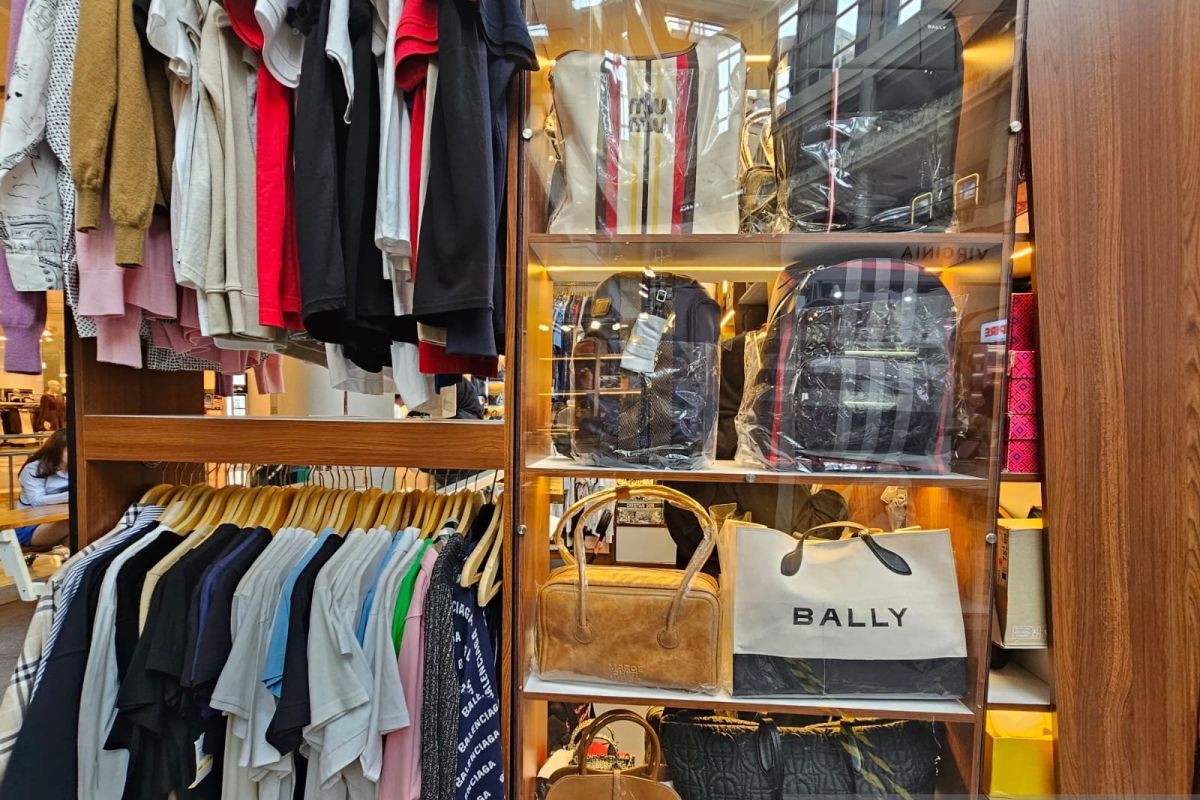
Through the preloved market, products change hands and gain a longer lifecycle. Urban lifestyles are evolving dynamically, with the meaning of owning luxury items also transforming in recent times. Where luxury goods were once synonymous with consumption and status symbols, more people now view them as part of collections, cultural expression, and long-term economic assets. This shift in perspective has given rise to a new phenomenon uniting art, hobbies, lifestyle, and economy in an interconnected space. This is evident in the growing communities of collectors for high-value items, from branded handbags and watches to art pieces, collectible toys, and historically significant or rare objects. In many countries, collecting is no longer seen merely as a hobby but as part of the creative industry, fostering its own economic ecosystem. Indonesia is also beginning to show similar trends. The emergence of spaces for collectors to meet is noteworthy not just for the transactions taking place, but for illustrating how the creative economy develops through community interaction. One example is The Collector Club in Jakarta, held from 27–31 May 2026, which brings together luxury and collectible communities within a single platform blending shopping, art, culture, and lifestyle experiences. Notably, organisers stress the event isn’t sales-driven; its primary focus is providing promotional space for preloved luxury resellers and collectible sellers to reach broader communities. This approach shows that an event’s value isn’t solely measured by transaction volume, but by its ability to build networks, unite communities, and create interaction spaces that foster creative economic growth. In many developed nations, the collectibles market thrives due to strong communities. Collectors exchange information on product histories, authenticity, market trends, and investment opportunities. Such activities create shared knowledge, enriching public understanding of an item’s worth. For instance, a watch isn’t valued merely for its brand, but for its story, technology, production edition, and rarity. Similarly, handbags or artworks often carry intrinsic cultural and historical value. Among women, branded handbags dominate the collectibles market due to their strong appeal, while men remain drawn to luxury watches as a top collecting category. Both categories demonstrate how items initially serving lifestyle needs can evolve into unique collectible assets. Preloved goods