
Collaborative Approach Deemed Crucial to Tackle National Economic Challenges
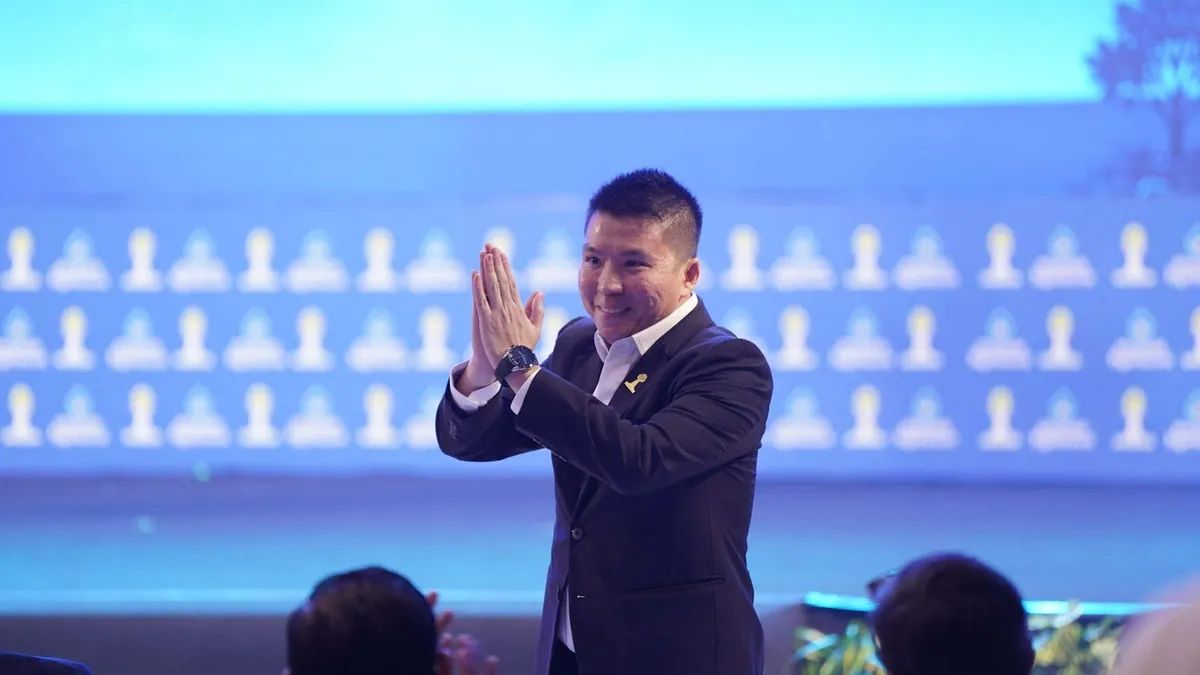
Collaborative approaches between young entrepreneurs, government, academia, technology sector, and industry are crucial to tackle current national economic challenges. This is emphasised by the Indonesian Young Entrepreneurs Association (Hipmi), which is currently reshaping its leadership for the new era to transform from merely a business organisation into a driver of national economic transformation. ‘Hipmi must act as a catalyst for national economic transformation to address demographic dividend, digitalisation, industrialisation, and increasingly tough global competition,’ said fintech specialist William in Jakarta on Thursday (28 May 2026). He agreed with Anthony Leong’s remarks during the second debate among Hipmi’s 2026-2029 chair candidates. ’ Anthony, being an entrepreneur himself, demonstrated that building businesses requires a solid technology-based vision balanced with on-ground execution,’ William stated. He praised all four candidates’ visions but highlighted Anthony Leong as the most comprehensive package needed by Hipmi and the business world. He noted Anthony stood out by not only presenting technical programmes but also articulating robust, long-term economic foundational thinking in language resonant with young entrepreneurs and Indonesia’s youth. ‘With a doctorate background, he drew from economist Soemitro Djojohadikusumo’s ideas on national development through industrialisation and strengthening the national entrepreneur class, while linking it to Joseph Stiglitz’s work on economic inequality and inclusive growth. The ’Economic Pancasila’ narrative aligns well with President Prabowo Subianto’s economic direction,’ William added. He pointed out Indonesia has traditionally been seen as a market for foreign products and platforms despite abundant potential, with domestic production capacity, innovation, and ownership of industries yet to optimise. ’ Anthony stressed Indonesia must not remain a mere large market; it must graduate to become a production hub, innovation centre, and key player in global economic chains,’ continued William, who is also a Doctor of Communication Science student at Gadjah Mada University. During the debate, he said Anthony successfully connected young entrepreneurs’ vision with the government’s 8% national economic growth target under President Prabowo Subianto. Achieving this requires strengthening productive sectors, creative industries, technology, and entrepreneurship. He also appreciated the proposal for a Youth Development Bank to provide financing and development for young entrepreneurs, ensuring access to capital, mentorship, and business ecosystems. ‘Equally important is the establishment of Creative and Production Hub as a cross-sector collaboration centre to drive innovation, creative industries, technology, and strengthen national production chains. This is quintessentially millennial and Gen Z, making it highly relevant to younger generations,’ William added. He concluded that Anthony Leong, backed by Hipmi Bali, presented a clear strategic direction for Indonesia’s young entrepreneurs’ future.