
Cold Chain Investment Growth Amid Component Industry Challenges
The investment landscape for the cold chain industry in Indonesia is considered to have bright prospects due to the vast needs of the domestic market. However, the development of this sector still faces challenges regarding the component industry, supply chains, and energy limitations in several remote areas.
Herlin Herlianika, President of the American Society of Heating, Refrigerating and Air-Conditioning Engineers (ASHRAE) Indonesia Chapter and a senior consultant in HVAC, stated that domestic demand is a primary factor maintaining the investment prospects for cold chains in Indonesia. She noted that population growth and increased economic activity will drive the need for cooling systems, particularly for the storage and distribution of food and healthcare products.
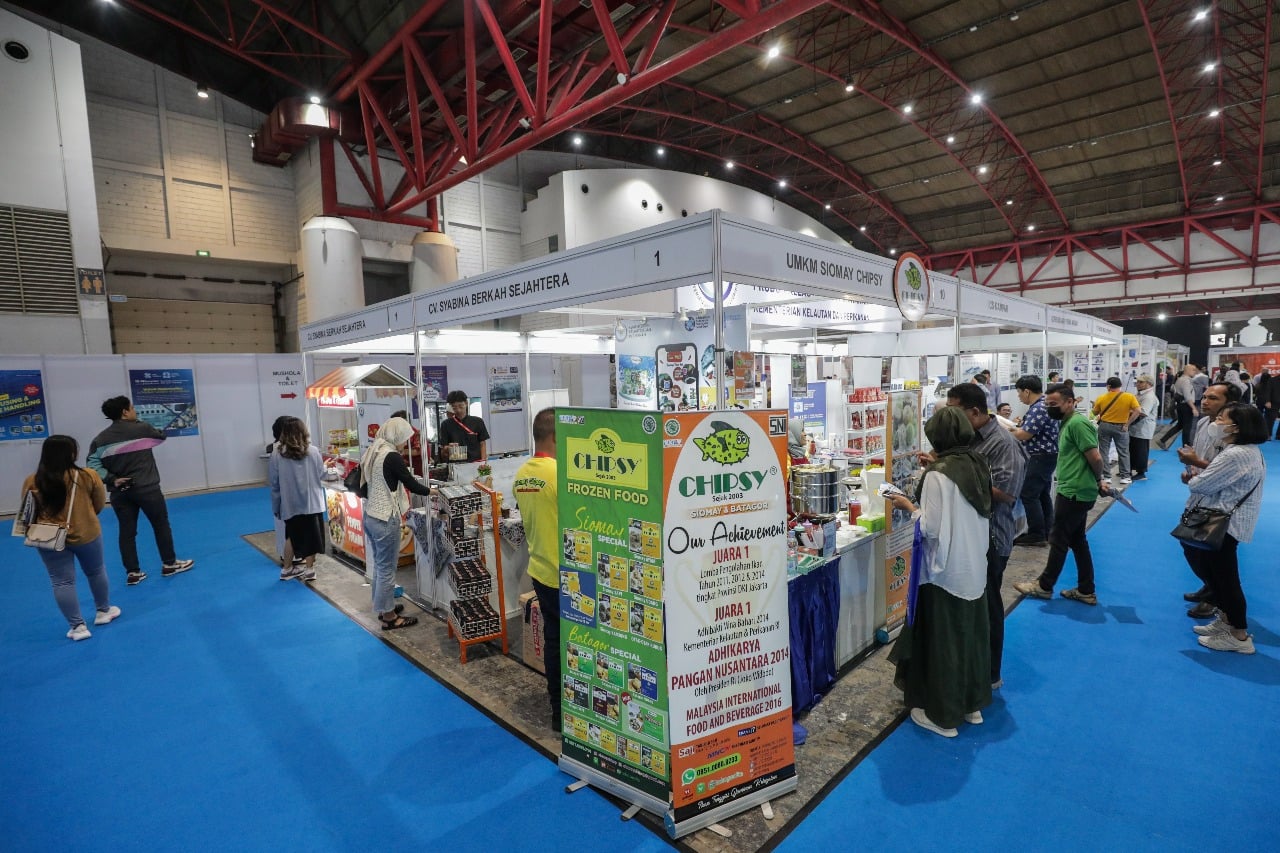
“Investment interest remains high because the Indonesian government remains open. We see many strategic programmes from the President, such as the fishing villages programme, where the cold chain should truly revitalise,” Her andlianika said at the Nusantara International Convention Exhibition (NICE) in Jakarta.
She noted that the development of regions with large populations will create a demand for cold chain facilities, thereby expanding the growth space for the domestic cooling business. This prospect is reflected in the relatively high growth of Indonesia’s cooling industry; while global growth is around 8% per annum, Indonesia has recorded growth of approximately 15%.
Given these conditions, Herlianika expects the cold chain industry to maintain a growth rate of around 15% this year. She believes political stability and the resumption of government projects could act as catalysts for private investment.
Due to the high domestic demand, industry players in Indonesia remain more focused on fulfilling the domestic market rather than exports. Existing industrial capacity is largely absorbed by domestic needs, meaning Indonesia actually requires additional cold chain production facilities.
“We do not need to focus on exports for now because our domestic factories are already at full capacity; Indonesia actually needs more factories,” she added. She further noted that the need for cold chains extends beyond the food sector to healthcare, including the storage of vaccines and other medical products, playing a vital role in maintaining product quality and safety during storage and distribution.
Component Industry Remains Weak
Despite the promising outlook, Herlianika stated that the national cold chain industry still faces issues regarding the spare parts industry. While Indonesian cold chain manufacturers are capable of producing coils and performing design and equipment selection, this capability has not been matched by sufficient development in the spare parts industry. Consequently, much of the component needs must still be met through imports.
This issue, according to Herlianika, is closely linked to production economics. Certain components require large production volumes to achieve competitive pricing. For example, compressors require a production scale of approximately 10,000 units to reach a certain level of economic viability. This situation requires investors to calculate market volumes before building component production facilities in Indonesia.
“Meanwhile, we must compete with established products that are undoubtedly much cheaper in terms of price,” she said.
Therefore, Herlianika hopes the government will provide investment certainty and ease of licensing to encourage the development of supporting cold chain industries. Additionally, the government needs to create a cost structure that allows domestic producers to compete with imports, including through policies regarding aluminium and steel raw materials.
“The hope is for investment certainty, ease of licensing from the government, and protection from export competition,” she added. However, she emphasised that government support must be balanced with improvements in industrial quality. Businesses should not merely engage in assembly but must produce products with adequate technology and durability.
Yongkie Tilano, a Board Member of ASHRAE Indonesia, stated that several technologies are being developed to reduce dependence on conventional energy. This includes the use of insulation to help maintain product temperatures during distribution and the development of solar energy as an alternative power source for cold chain systems.
“There is also progress in using solar thermal energy to provide energy for crossroads. We have not yet reached ideal mitigation; there are still many deficiencies,” Tilano remarked.
Nevertheless, Tilano believes that the development of refrigeration and cold chain technology must continue to meet industrial needs and strengthen national supply chain resilience. He noted that strengthening the cold chain is increasingly important for Indonesia, as the distribution of fresh products from regions far from consumption centres requires storage and transport systems with precise temperature control.