
Coffee Dried by the Earth’s Breath
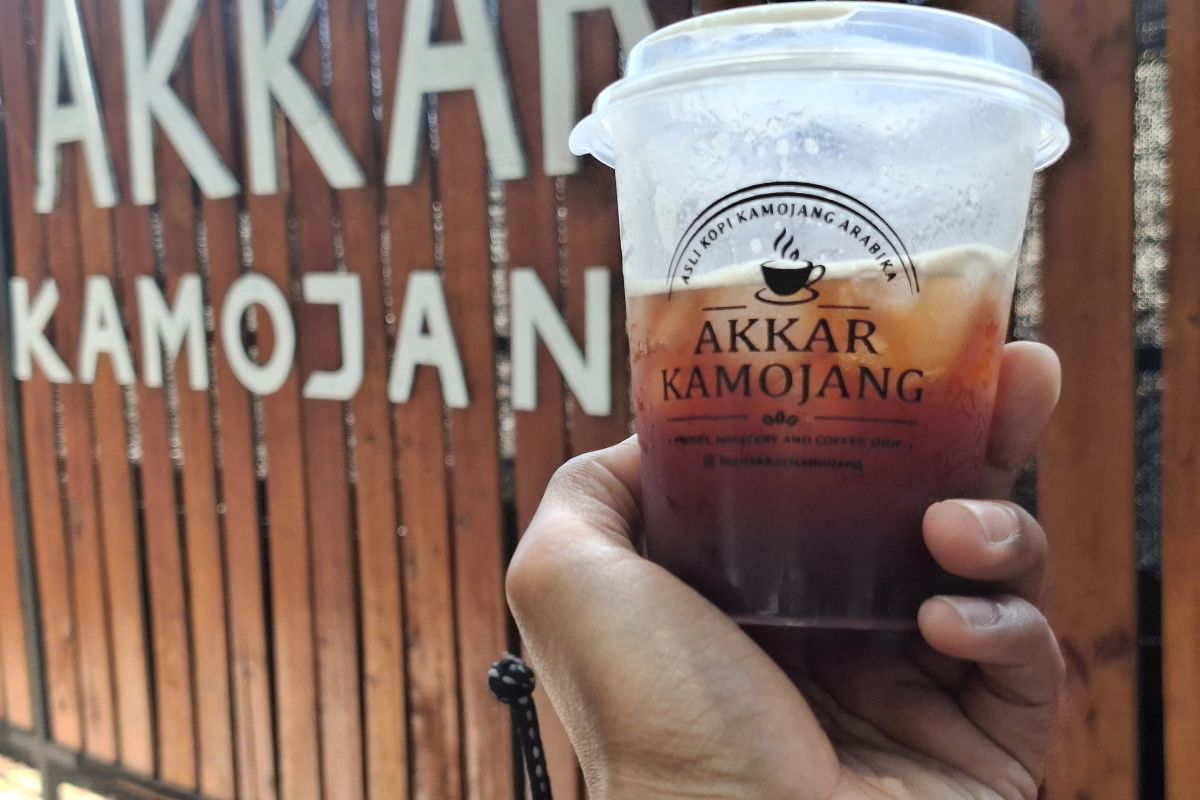
The sweetness lies in finding a place to stand, and the acidity in finding a companion.
Jakarta (ANTARA) – A plastic cup bearing the Akkar Kamojang logo was tempting, with white milk and a rich espresso that had not yet fully blended.
The two colours then came together, turning creamy. As I raised the drink, its aroma hit me before the cup reached my lips: intense and almost fierce, like a promise of bitterness prepared for the throat.
That promise was not kept.
What came instead was a mellow flavour. The rich sweetness of palm sugar spread slowly, the milk softened its edges, and a small, clear acidity appeared at the back of the tongue, like fruit picked a day before becoming overripe.
The blend is 70 per cent Kamojang arabica and 30 per cent robusta. It is the best palm-sugar milk coffee I have ever had. It costs 15,000 rupiah.
Beyond the wooden fence of the café, forest-covered hills stood still, as if they felt no need to explain anything.
The second drink was more reserved. The cascara inside it was layered like a sunset that had been forgotten before it was stirred: deep red at the bottom, orange in the middle and pale foam on top. Coffee fruit skins, which end up as waste on many farms, are brewed into a light tea-like drink, then paired with pineapple and peach syrups. The sweet and sour flavours do not compete for space. They share it.
Kamojang offers a tempting explanation for this pleasure. Its coffee beans are dried using geothermal steam, and its plantations grow on the slopes of a mountain that releases sulphur-scented vapour.
It is easy to imagine that this breath leaves something in the beans, some secret seasoning from the depths. But the real explanation is more modest—and all the more compelling for it.
Steam and mist
Source: jawawa.id (https://jawawa.id/newsitem/coffee-dried-by-the-earths-breath-1793839992)
Originally published by Antara (Indonesian) (https://www.antaranews.com/berita/5832895/kopi-yang-dikeringkan-oleh-napas-bumi), translated from Indonesian