
Coffee, Cocoa, and Tea Prices Now Dictated by the Skies, Difficult to Tame
The global coffee, cocoa, and tea markets have entered a phase of heightened sensitivity to weather disruptions. The Food and Agriculture Organization (FAO) calculates that over 90% of short-term price movements now stem from changes in supply and demand conditions, far outweighing the influence of macroeconomic factors. Market expectations for the next harvest amplify volatility even before actual production changes occur, meaning prices can surge or plummet based solely on crop forecasts in a few major producing countries. This situation arises because global production is highly concentrated: Brazil and Vietnam account for nearly half of the world’s coffee, Ivory Coast and Ghana produce over two-thirds of global cocoa, and more than half of all tea comes from China. When weather turns problematic in one region, the impact rapidly ripples through international markets.
Coffee remains expensive, but risks are beginning to ease. Arabica coffee prices are still elevated compared to historical averages, with Trading Economics recording a price of 324.55 US cents per pound on 20 July, a rise of over 21% in a month. According to Refinitiv data, the Arabica contract settled at 334.40 US cents per pound on the same day. While this is higher than the 17 July close, it remains below the 363.95 US cents per pound recorded on 6 July. This correction reflects improving supply expectations as the harvest accelerates in Brazil. However, the scope for price declines is limited because global coffee stocks remain tight and market participants continue to monitor bean quality after heavy rains hampered harvesting in several producing regions. The market’s focus is shifting as harvest volumes increase, with Cecafé noting that Brazilian green coffee exports in June rose 14.4% year-on-year to 2.64 million bags. The US government’s exclusion of Brazilian instant coffee from a new 25% import tariff also eased pressure on exporters. Nonetheless, low global stocks mean any further weather disruption could still trigger fresh price spikes.
Cocoa is emerging from its crisis. Prices have risen nearly 20% over the past month but remain about 32% lower than last year after hitting all-time highs in late 2024. Market attention is now shifting from supply to demand. European cocoa grinding data for the second quarter fell 4.6% to 316,366 tonnes, the lowest level since 2020, signalling weakening chocolate consumption in the world’s largest processing hub. Conversely, Asia recorded a 25.1% increase in processing and North America grew by 7.7%, though this was insufficient to offset the European slowdown. On the supply side, conditions are better than during the 2024 crisis, with ICE-monitored cocoa inventories rising to around 3.23 million bags, the highest in nearly two years. In the domestic market, Indonesian cocoa prices remain highly volatile, tracking global dynamics while also being influenced by local supply conditions and export activity. The high global prices present an opportunity to maintain export value, but sharp fluctuations complicate raw material purchasing and long-term sales contracts for industry players.
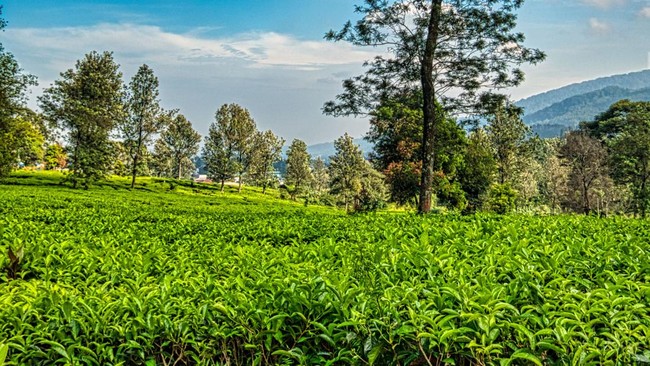
Tea is the most stable of the three commodities. Prices have risen around 13% compared to last year and nearly 10% over the past month, a far more moderate increase than coffee or cocoa. The FAO notes that the pandemic-era price surge was primarily driven by increased household consumption and perceived health benefits. As demand has persisted post-pandemic, prices have remained relatively steady. Looking ahead, the FAO warns that volatility will not subside as long as production is concentrated in a few countries and largely managed by smallholder farmers. It recommends investment in climate-resilient agriculture, pest and disease control, and greater transparency in production, stock, and trade data to help stabilise prices and protect the incomes of millions of farmers who depend on these crops.
Source: jawawa.id (https://jawawa.id/newsitem/coffee-cocoa-and-tea-prices-now-dictated-by-the-skies-difficult-to-tame-1784641896)
Originally published by CNBC Indonesia (https://www.cnbcindonesia.com/research/20260721115343-128-752528/harga-kopi-hingga-teh-kini-ditentukan-langit-sulit-dijinakkan), translated from Indonesian