
Coconut Downstreaming Accelerated, National Processing Capacity Targeted to Reach 2 Million Units per Day
The coconut industry downstreaming in Indonesia is entering an expansion phase alongside increasing demand for processed coconut products in the global market. Strengthening processing capacity is a vital component in increasing the added value of the commodity and expanding economic benefits for farmers and local workers.
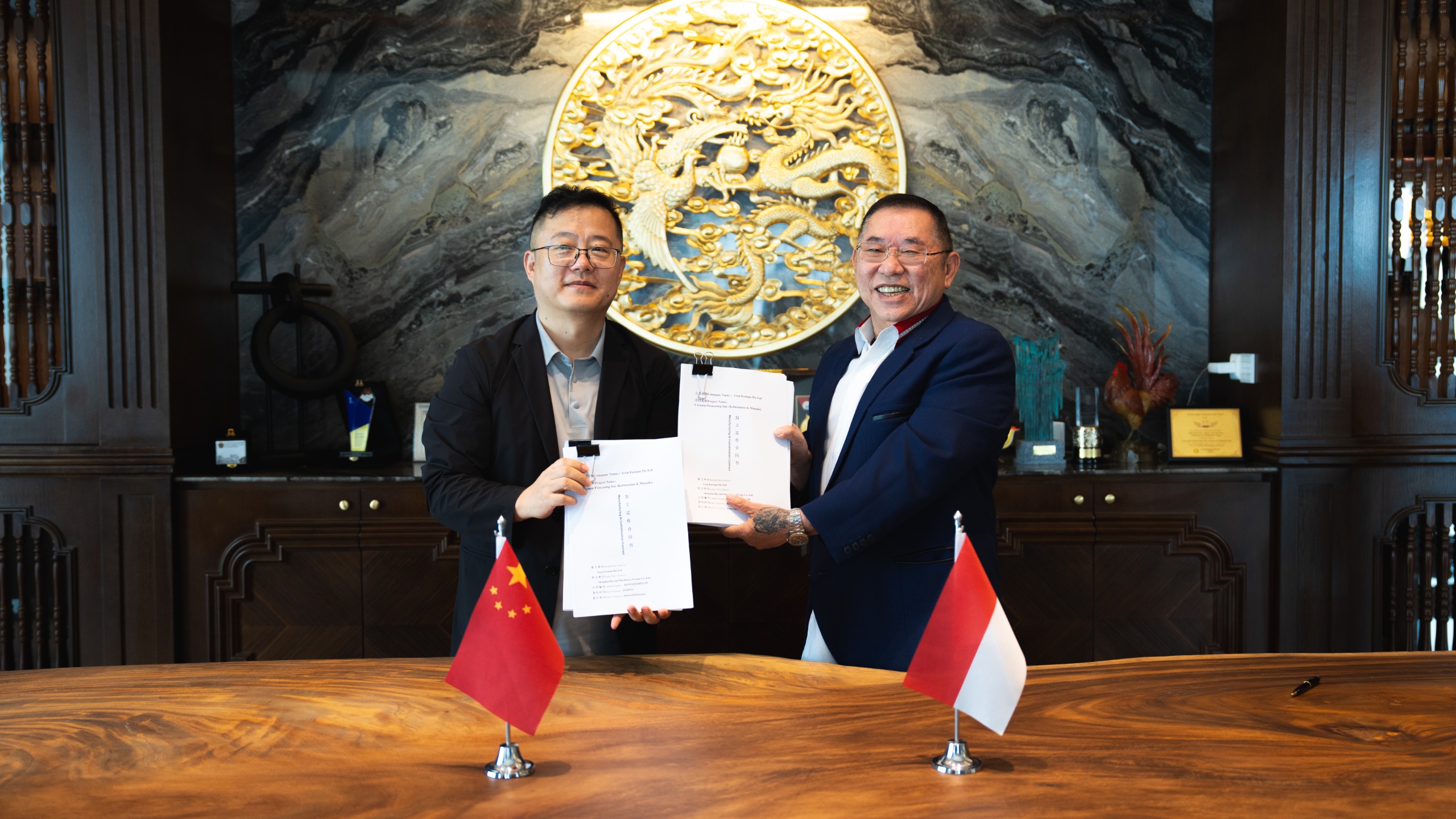
PT Royal Agro Industri (RAI) is taking this step by adding coconut processing production equipment from Beyond, China. The new machinery will be used to add production lines in several existing factories and support the operations of a new processing facility currently under construction in Riau.
CEO of PT RAI, Johanna, stated that the company currently operates three coconut processing plants: PT Dewa Agricoco Industri in Halmahera, North Maluku; PT Tri Mustika Cocomanaesa in Manado, North Sulawesi; and PT Samuda Coco Indonesia in Sampit, Central Kalimantan. “As global demand for processed coconut products continues to rise, we are currently building another factory in Riau, namely PT Garuda Coco Industri,” said Johanna on Wednesday (16/09/2026).
The equipment purchased from Beyond will be deployed in the Manado, Sampit, and Riau facilities. In already operational factories, the machinery will be used to add production lines, while in Riau, the equipment will be installed from the start of the factory’s operations.
Johanna targets that all new equipment will be operational for production by 2027. With this additional capacity, the company projects a processing capability of more than 2 million coconuts per day.
The Riau factory is targeted to have a processing capacity of up to 1 million coconuts per day. Meanwhile, the Manado facility will reach 500,000 units, Sampit 350,000 units, and the Maluku factory approximately 250,000 units per day.
This capacity will be utilised to produce various coconut derivatives, ranging from low-fat and high-fat desiccated coconut, coconut milk, charcoal, cocofiber, and cocopeat to crude coconut oil.
Product diversification is one way to increase the economic value of coconuts compared to selling the commodity in its raw form. The owner of PT RAI, Jerry Hermawan Lo, stated that downstreaming is one of the primary reasons the company is developing the coconut processing industry. According to him, the coconut commodity holds greater economic potential when processed before being marketed abroad.
“In the past, Indonesian coconuts were exported whole at low prices; now, with these factories, we can process them before exporting. Naturally, processed coconut has a much higher economic value. This is what is known as coconut downstreaming,” said Jerry.
PT RAI noted that its processed coconut products are currently exported to more than 33 countries, including Germany, Spain, Turkey, China, and the United States. The development of this industry is also said to have absorbed thousands of workers.
On the other hand, expanding industrial capacity makes the sustainability of raw material supply a crucial factor. Therefore, the company stated it has partnered with thousands of coconut farmers through assistance and training to increase productivity. In addition to strengthening the supply chain, Jerry initiated the ‘Coconut Scholarship’ programme by allocating Rp10 from every coconut processed. This programme aims to support the education of the younger generation in the agricultural sector.
To date, 1,300 students are reported to have received scholarships from various universities, including the University of Lampung, North Sumatra University, IPB University, Hasanuddin University, Bangka Belitung University, Sam Ratulangi University, Nusa Cendana University, Sultan Ageng Tirtayasa University, Riau University, Nusa Nipa University, and STPK Banau North Halmahera.
Jerry stated that the development of the coconut industry must proceed alongside the empowerment of farmers and human resources. He believes Indonesia possesses great potential in the coconut commodity, so domestic processing must continue to be developed to produce higher-value economic products.
“We are here with a commitment to prosper coconut farmers and local youths. Furthermore, our ambition is to restore the glory of Nusantara’s coconuts in the eyes of the world,” he concluded.