
Cockroach Party Inspects Schools, Indian Government Restricts Access
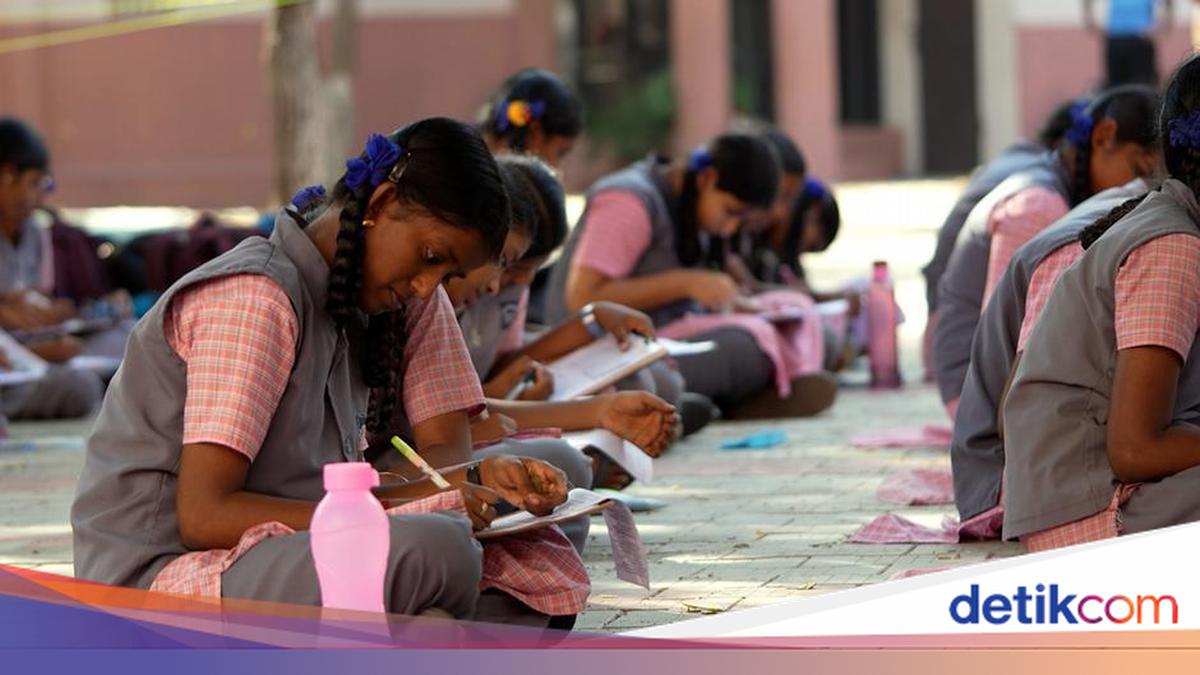
The Indian activist movement known as the Cockroach Janata Party (CJP) gained significant public attention last May after leading several weeks of protests regarding a university entrance exam leak scandal. This movement exerted immense pressure on the government, ultimately leading to the resignation of India’s Education Minister, Dharmendra Pradhan, last July.
Now, the CJP has shifted its focus to India’s public schools by organising volunteer visits to classrooms, documenting school conditions, and demanding accountability for various identified issues.
Launched on 15 August 2026, coinciding with India’s Independence Day, this initiative invites parents, students, and volunteers to inspect schools and record the condition of basic facilities such as toilets, drinking water, electricity, classroom furniture, and school buildings. The CJP stated that these findings will be used to urge the government to implement necessary repairs.
Their initial target is to audit 100 public schools in rural areas within two months. The CJP has also proposed providing awards to village leaders who successfully improve the quality of schools in their regions.
Unlike the CJP’s street demonstrations, this school audit requires a more sustainable form of local activism. Volunteers are expected to work consistently at the local level, documenting school conditions and following up with government officials, parents, and local communities.
The organisation must also navigate various layers of Indian bureaucracy. The responsibility for managing public schools is divided between state governments, local administrations, and elected village government bodies. Consequently, the CJP must face differing regulations and political interests across various regions of India.
According to data from the Indian Ministry of Education, there are over one million public schools in the country. This figure accounts for nearly 70% of all schools in India, yet it serves less than half of the nation’s total 247 million students.
CJP: “We are not afraid”
The vast coverage of public schools provides significant scope for CJP’s actions. However, it also presents new challenges. Authorities have begun questioning the regulations and locations of CJP’s audits, including concerns regarding student protection while children are within the school environment.
Government responses vary by state. Some authorities have ordered their own inspections, while others have restricted access or even taken legal action against CJP volunteers.
Governments in the states of Maharashtra and Rajasthan have refused unauthorised visits to schools. In one instance, a report from a school led the police to take action against CJP members after they entered school grounds to conduct an audit.
In Rajasthan, restrictions have been imposed on outsiders wishing to enter public schools, including limitations on photography, interviews, and other forms of documentation. CJP volunteers in Rajasthan also reported being attacked while conducting inspections at a school.
“We are not afraid. We are simply demanding accountability from the government,” said CJP spokesperson Ashutosh Ranka.
Government: Schools are not open public spaces
In the state of Uttar Pradesh, Chief Minister Yogi Adityanath has ordered government officials to conduct direct inspections of school facilities. He also instructed the police to take action against videos deemed misleading regarding schools and colleges.
The CJP believes these measures undermine public oversight. However, authorities argue that schools are not places that can be inspected by anyone without permission, particularly when students are present.
Vinita Gursahani Singh, manager of the civic empowerment campaign ‘We, The People’, stated that these boundaries are regulated by law.
“Under the Right to Information Act, every citizen can inspect a school, but they must submit an application first. This is sensible as it is necessary to consider the interests of students and the teaching-learning process,” Singh told DW.
“All forms of public oversight are legitimate. It is indeed our duty to provide oversight, but such oversight must follow procedure and be conducted fairly. The rules applicable to one citizen must apply to all,” she added.
Can activists act as inspectors?
The CJP maintains that public schools are institutions funded by public money, therefore the community has a legitimate right to know how these schools operate.
Their volunteers use standardised audit forms to record school conditions and submit their findings to the CJP. The organisation stated it will use this data to pressure local governments to respond to the various issues discovered.
However, critics question whether citizen activists can assume the role of school inspectors. There are concerns regarding whether volunteers possess sufficient expertise to assess safety or infrastructure issues, and how the veracity of allegations published on social media can be verified.
Mohandas Pai, an education observer, supports the CJP’s focus on public schools but disagrees with their methods. “I am pleased to see young people caring about school education. This system is indeed problematic and requires reform,” Pai told DW.
However, he opposes the practice of entering schools in large groups to question headteachers and students. “You cannot simply enter a school just because you feel entitled to do so,” said Pai. He emphasised that…