
Coal Surges for Six Days as China and Germany Face Supply Crises
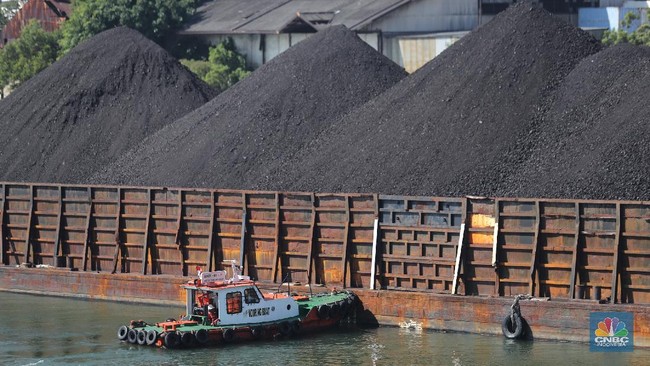
Coal prices soared and approached US$140 per tonne, with supply concerns serving as the primary trigger. According to Refinitiv, coal prices closed at US$139.3 per tonne in trading on Monday (24/8/2026), up 0.76%. This increase extended the positive trend for coal prices, which have strengthened by 4.3% over six consecutive days. The surge in coal prices was mainly caused by supply worries.
Coking coal prices in China’s main production areas continued to rise last week and hit a new high. Strict inspections in Shanxi have slowed the recovery of mine production and kept supply tight, while demand from downstream sectors continued to strengthen. The price increase was also supported by continuously strengthening futures contracts and market expectations of higher coking coal prices. Market sentiment grew increasingly heated. During the week, coking coal prices rose by CNY100-250 per tonne, while some premium primary coking coal types even recorded increases of up to CNY330 per tonne.
Production recovery at previously halted mines in Shanxi remains slow. Several mines have even cut production due to inspections and other factors. Some mines in Shanxi also experienced temporary stoppages due to accidents and other conditions in production areas. These conditions overall caused regional coking coal supply to decline slightly.
Raw coking coal production from 363 mines surveyed by Sxcoal fell 0.34% week-on-week to 9.98 million tonnes in the week ending 17 August. Processed coking coal production fell 0.76% to 4.89 million tonnes. Average mine capacity utilisation reached 69.44%, down 0.24 percentage points in a week. On the demand side, operating rates at coke plants fell again due to losses and tight coking coal supply. Several plants still have sufficient inventory to operate, but fresh coal supply is increasingly limited. As of 19 August, coking coal inventories at 108 surveyed coke plants were estimated to be sufficient for around 7.27 days of requirements, up 0.3 days compared with the previous week. Coke plants and trading companies in the midstream sector showed high purchasing interest.
Production areas continued destocking, while most mines held no inventory. Sxcoal data showed raw coking coal stocks at surveyed mines reached 1.42 million tonnes on 19 August, down 11.33% compared with a week earlier. Meanwhile, processed coking coal stocks fell 13.07% to 1.37 million tonnes.
Coal prices rose past US$131 per tonne at the end of August 2026, reaching their highest level in about three weeks or since early August. The increase was driven by strong Asian energy demand, coal supply risks still looming over the market, and China’s latest stimulus signals, which could potentially boost domestic demand and accelerate infrastructure investment. If China’s economic activity recovers more strongly, electricity consumption and power generation could also increase, supporting coal demand.
Japanese electricity prices surged to their highest level since 2023 due to a heatwave. This increased air-conditioning needs and could potentially boost coal-fired power generation. Mongolia also reported lower output. Mongolia’s coal production for all uses in July reached 11.17 million tonnes, down 4.6% from June’s 11.71 million tonnes. However, the figure jumped 49% year-on-year. The monthly production decline was likely influenced by the Naadam Festival holiday on 11-15 July. The five-day national holiday likely slowed Mongolian coal production activity. By type, hard coal production, which includes coking coal and thermal coal, reached 10.23 million tonnes. This was down 6.9% from June but still up 48% year-on-year. Meanwhile, lignite production reached around 946,000 tonnes, up 30% month-on-month and 63% year-on-year.
Mongolia’s cumulative coal production for all uses during January-July reached 73.65 million tonnes, surging 52% year-on-year. All of that growth came from hard coal production. Hard coal production during the first seven months reached 67.66 million tonnes, up 60% year-on-year. In contrast, lignite production fell 4.7% year-on-year to 5.99 million tonnes. Mongolia is a major supplier to China; if production falls, China could be affected.
Water levels on the Rhine River in Germany last week were at their lowest since records began in 1880. This triggered concerns about replenishing coal stocks at coal-fired power plants, amid an electricity system already under tight conditions.