
Coal Shipments via Rail Transport Increase
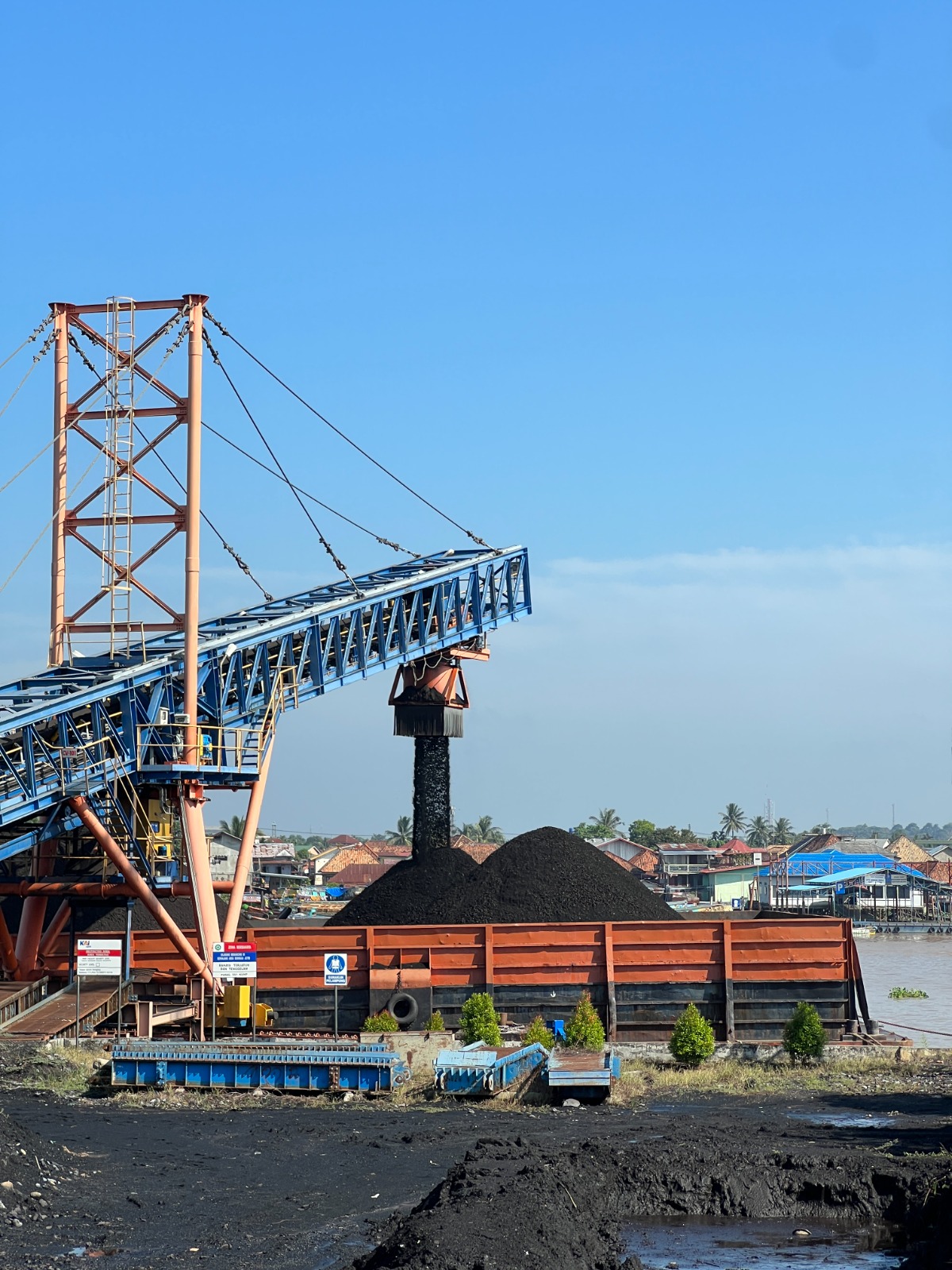
The coal shipment segment served through Kalog Pro recorded positive momentum in the second quarter, achieving its highest volume in April 2026 at 936,244 tonnes, an increase of more than 11% compared to March 2026, which stood at approximately 847,000 tonnes. This performance exceeded the April 2026 target by 21%, reflecting increased distribution activity of strategic energy commodities via rail.
KAI Logistik President Director, Yuskal Setiawan, stated on Wednesday (3/6) that this achievement indicates a strengthening of coal business movement in the second quarter. It also serves as an indicator of growing customer confidence in rail transport as a reliable, efficient, and sustainable logistics solution. “The volume increase in April is a positive signal for the strengthening of coal distribution activities. In addition to sustained energy needs, this achievement is also the result of the company’s strategy to strengthen service capacity through the optimisation of loading and unloading terminal infrastructure,” he said.
Yuskal noted that one of the strategies driving this increase is the operation of the Merapi Container Yard (CY) 2 since March 2026. This infrastructure is part of the company’s efforts to bolster coal transport capacity and improve the smoothness of logistics flows within its operational areas. “CY 2 Merapi is projected to serve approximately 730 train sets per year. With optimal operation on two tracks, service capacity has the potential to increase to up to 10 train sets per day,” he explained.
Regarding transport contribution, Yuskal continued that this facility is expected to contribute up to 3 million tonnes of coal transport per year, thereby strengthening the distribution capacity of national energy commodities. The company remains optimistic that coal handling services will continue to be a primary pillar of its performance throughout 2026. “With a transport capacity of up to 27 million tonnes per year, Kalog plays a role as part of the strategic ecosystem in the national energy supply chain through services available at six coal terminals in South Sumatra,” he elaborated.
Yuskal added that as a rail-based logistics provider, Kalog continues to strengthen its service capacity and reliability to support the national energy sector. The optimisation of loading terminals, strengthening of transport capacity, and improvement of service quality are part of the company’s commitment to ensuring coal distribution remains safe, timely, and sustainable. “Moving forward, we are optimistic that this positive trend will continue alongside the increase in service capacity and national energy distribution needs. KAI Logistik will continue to adapt to industry needs through the strengthening of increasingly reliable infrastructure and services,” he concluded.