
Coal Prices Surge Overnight, China and India Face Risks
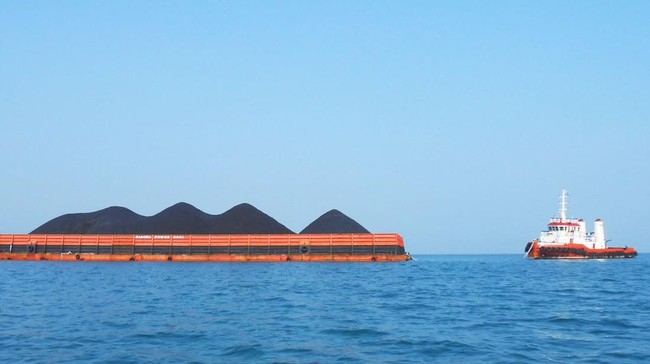
Coal prices surged again amid rising oil prices and supply concerns. According to Refinitiv, coal prices in trading on Monday (10/8/2026) jumped 3.48% to US$134 per tonne. This price increase reversed the 0.19% weakening on Friday last week. Coal prices strengthened, supported by oil and supply disruptions.
Oil prices soared around 5% on Monday due to doubts that the United States (US) and Iran would reach an agreement to reopen ship traffic in the Strait of Hormuz. WTI prices closed at US$82.13 per barrel, while Brent was at US$87.72 per barrel. Oil and coal are substitute commodities, so their prices influence each other.
Chinese coking coal prices received a fresh boost amid tight mine supply and declining stocks. Improved auction activity and limited shipments from mines also lifted market sentiment. A number of indicators also showed improving market sentiment, especially from online auctions, low stocks, and relatively tight coal shipments from mines.
However, the price increase is not yet fully solid. Weak downstream industry margins remain a barrier to demand and could potentially limit the room for price strengthening. On the supply side, a number of Chinese mines are still facing production disruptions. Sxcoal previously noted that Chinese coking coal prices began to strengthen due to tight supply caused by the temporary suspension of several mines, while some downstream consumers began restocking.
From India, it was reported that heavy rains in coal-producing regions, including Telangana and Maharashtra, disrupted mining activities and railway transport. This condition caused coal supply to Karnataka to drop drastically. The number of coal transport trains entering Karnataka plummeted from around 11 trains per day under normal conditions to only 5-6 trains per day. As a result, coal deliveries to power plants slowed significantly.
On the other hand, Karnataka’s electricity demand remains high, approaching 300 million units per day. Hydropower production has also not fully recovered, so the state’s dependence on coal-fired plants remains high. If heavy rains and railway disruptions continue, coal stocks at power plants could decline, increasing the need for replenishment. This condition could potentially boost demand and prices for thermal coal in the regional spot market. However, for now, coal stocks at Karnataka’s power plants are still sufficient, so the risk of fuel shortages in the near term remains relatively limited.