
Coal Prices Soar: Which Mining Stocks Benefit the Most?
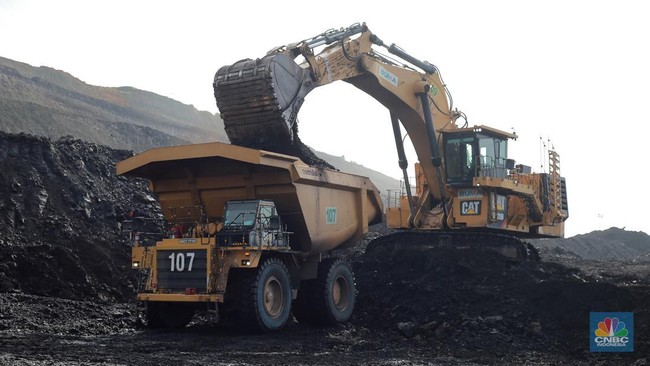
The majority of coal mining stocks have recorded gains over the past month leading up to trading on Wednesday (2/9/2026). This movement occurs amidst rising global coal prices, even though some stocks experienced corrections during today’s trading session.
This analysis covers 14 companies that operate coal mines, either directly or through subsidiaries, with revenues dominated by the coal business. The group includes thermal coal producers as well as Alamtri Minerals Indonesia (ADlar), which produces metallurgical coal.
Out of the 14 companies surveyed, 13 stocks are positioned above their late July closing prices, while one stock has weakened. Karya Pacific Energy (IATA) leads the gains, followed by Bumi Resources (BUMI) and Bukit Asam (PTBA).
Comparing closing prices from 31 July 2026 to the quotations available on 2 September 2026: IATA recorded the largest increase of 61.84%, rising from Rp76 to Rp123. The company, formerly known as MNC Energy Investments, holds the top position in the surveyed group.
Among the large-scale producers, BUMI strengthened by 24.85%, while PTBA rose by 17.24%. MBAP and AADI followed with increases of 15.85% and 15.45%, respectively. Gains also reached BYAN and GEMS, which rose by 13.93% and 10.04% respectively, while BSSR, ARII, SMMT, ITMG, and KKGI recorded single-digit increases.
Coal prices continue to climb amid rising oil prices and supply issues. In trading on Wednesday (2/9/2026), coal prices closed at US$ 148.9 per troy ounce, an increase of 0.78%. This rise extends a positive trend, with prices strengthening by 7.6% over six consecutive days. Yesterday’s closing price was the highest since 11 June 2026. The price strength is supported by rising oil prices and global supply concerns.
For mining companies, the rise in commodity prices has the potential to improve selling prices and margins. However, the extent of the benefit depends on coal quality, sales contracts, production volumes, as well as mining and transportation costs.
Rising coal prices present opportunities for performance improvements for producers. These opportunities will be greater if higher selling prices are accompanied by maintained sales volumes and controlled production costs. Conversely, increases in overburden removal costs, fuel, or transportation costs could reduce the benefits of higher selling prices. Realised selling prices, sales volumes, and production costs in the second half of the year will be key factors to monitor to assess how much the commodity strength can be translated into additional corporate profits.