
Coal Prices Plunge to Two-Month Low as India Turns Away
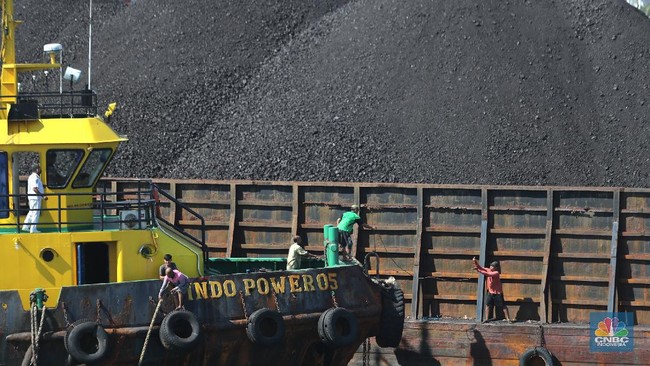
Coal prices continued their downward spiral, closing at US$131.55 per ton on Thursday (18/6/2026), a drop of 2.8%. This extends a brutal losing streak, with prices collapsing 11.4% over five consecutive days to reach their lowest point since 24 April 2026.
The decline was triggered by weakening oil prices and negative sentiment from India, the world’s second-largest consumer. Reuters reported that India’s thermal coal imports fell to a four-year low during the January-May 2026 period, as domestic production increased and renewable energy generation grew.
Overall, India’s thermal coal imports reached 65 million tonnes in the first five months of the year, a 12% decline compared to the same period last year. The country is actively working to reduce its reliance on imported coal and is targeting at least a 30% reduction in the use of thermal coal for power generation this year.
Coal India, the nation’s largest producer, had previously instructed all subsidiaries to boost output in anticipation of a surge in electricity consumption driven by extreme heat from the El Niño weather phenomenon. High international coal prices and rising shipping costs due to the Middle East crisis also suppressed imports.
While coal imports fell, India’s total electricity generation rose 5% year-on-year in the January-May period. However, renewable energy generation surged by 22%. Peak electricity demand exceeded government projections, hitting 270 gigawatts on 21 May during a severe heatwave. Data from national grid regulator Grid-India showed power demand jumped 11.2% in May, reaching a two-year high. To meet round-the-clock demand, coal-fired power generation increased 10% year-on-year in May, the largest rise since May 2024. Simultaneously, renewable energy output soared 29.31% year-on-year to 27.58 billion kilowatt-hours (kWh), setting a record with a 17.9% share of total national electricity generation.
Meanwhile, China’s coking coal market continued a strong price rally, fuelled by supply disruptions following a mine accident in late May that prompted tighter safety inspections. Regulatory pressure and temporary mine shutdowns have squeezed supply, and rising raw material costs are beginning to erode profit margins for downstream industries, particularly coke and steel producers struggling to pass on the higher costs to consumers.