
Coal Prices Plunge Amid Complex Global Headwinds
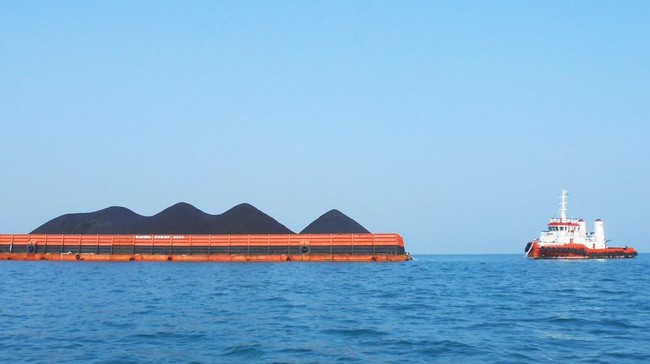
Coal prices weakened amid a host of negative sentiments. According to Refinitiv, the price of coal closed at US$132.5 per ton on Monday (27/7/2026), a drop of 2.14%. This marks the lowest price in six days.
The decline was influenced by several factors, including falling oil prices. On Monday, Brent crude oil contracts for September delivery fell 8.7% to US$88.36 per barrel, while West Texas Intermediate (WTI) crude fell 7.5% to US$82.61 per barrel.
Australian Coking Coal Under Pressure
The metallurgical coal market is also under significant pressure. The downturn is triggered by weak global steel demand, high supply, and a reversal of the upward trend in coke prices in China. The premium low-vol hard coking coal (PHCC) price from Australia fell to around US$222 per ton FOB on Friday (24/7/2026), with the Chinese market price hovering around US$240 per ton. The rapid correction occurred as August-September shipments far exceeded demand, and within a week, prices dropped from roughly US$229 to US$223-224 per ton FOB. By the weekend, some premium brands were offered as low as US$219-220 per ton FOB. If Chinese buying does not increase, prices could potentially fall to US$218 per ton FOB.
China’s Selective Buying
China remains the primary market driver. Its metallurgical coal imports rose 9% month-on-month in June to 12.17 million tons, with Australia’s share nearly doubling to 1.3 million tons. Total imports for the first half of 2026 surged 26.6% year-on-year to 66.87 million tons. However, buying remains highly selective. Domestic coke price cuts, reduced steel production, and high port inventories have made steel mills reluctant to enter new contracts.
India Cuts Imports
India has also failed to support the market. Its coking coal imports fell 25% month-on-month in June to 5.6 million tons, down from 7.5 million tons in May. The decline was driven by weakening domestic steel demand, falling steel prices, and tighter liquidity conditions. Most steel mills are only buying to meet short-term needs. Although a transaction for 40,000 tons of Goonyella/Moranbah North coal was reported at US$224 per ton FOB, the market believes most mills are waiting for prices to fall further.
Coke Price Cuts and Weak Demand
After nine consecutive increases, Chinese steel producers cut coke prices by CNY50-55 per ton on Wednesday (22/7/2026). The market expects one or two more rounds of cuts as steel mills strive to reduce production costs. Hot metal output in China also fell for the third consecutive week to approximately 2.38 million tons per day, while steel inventories continued to rise, further weakening demand for raw materials.
Outlook
Market participants expect Australian PHCC prices could still fall below US$220 per ton FOB. Demand from China and India is only expected to slow the decline, not reverse the trend, until global steel demand recovers. Overall, the metallurgical coal market remains overshadowed by high inventories, weak steel industry margins, and minimal demand growth, keeping the risk of further price weakness high in the short term.
Thermal Coal Market
Thermal coal prices at Chinese mine mouths are moving in mixed directions due to high coal inventories influencing buyer and producer behaviour. Some mines are still raising prices due to limited spot supply, while others are cutting prices because of stockpiles and slow sales. Inventories at power plants, ports, and mining areas remain ample, so buyers are not in a hurry to make new purchases, keeping spot market demand weak. Electricity demand has also not been strong enough; although some regions are entering summer, coal consumption by power plants remains below last year’s levels, meaning coal purchasing needs have not increased significantly.