
Coal Prices Lose Direction Amid China's Weak Restocking Demand
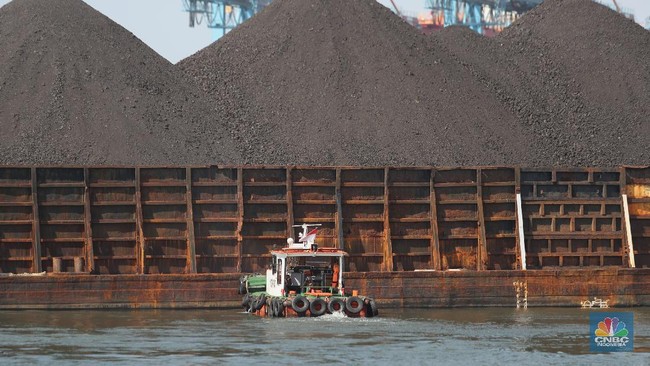
Coal prices saw a marginal increase but remain directionless, overshadowed by oil price movements and developments in China. According to Refinitiv, coal prices on Wednesday (12/8/2026) closed at US$134.1 per ton, edging up just 0.07%. Oil and coal are substitute commodities, so their prices influence each other. Coal prices have hovered around US$134 and have barely moved for three consecutive days. Oil prices rose slightly on Wednesday amid ongoing attacks on vessels in the Middle East and stalled talks to end the Iran conflict. Brent crude rose 7 cents to US$88.98 a barrel, while US West Texas Intermediate (WTI) also gained 7 cents to US$83.27 per barrel. Coal prices are also shadowed by varying demand from several countries. Total coal exports from the Port of Newcastle in New South Wales, Australia, reached 12.63 million tons in July, down 16.5% month-on-month and 7% year-on-year, according to port authority data. The Port of Newcastle is a key export route for Australian coal to global markets, primarily for thermal coal, according to Mysteel Global. The decline was mainly triggered by reduced shipments to major destinations in Northeast Asia. Mysteel maritime data showed coal shipments from Newcastle to China reached 2.38 million tons in July, down 41% month-on-month and 25% year-on-year. Chinese importers likely reduced purchases from Newcastle in July due to weak restocking demand from domestic power utilities. Although Chinese power firms increased coal consumption to meet higher electricity demand during summer, many only made limited purchases in the spot market. Stable domestic supply through long-term contracts kept their coal inventories at safe levels. A Mysteel survey of 493 coal-fired power plants in China showed total coal inventories reached 97.89 million tons at the end of July, up from 97.19 million tons at the end of June, enough to cover around 22 days of consumption. However, the thermal coal market in northern Chinese ports remained firm. Prices for 4,500 Kcal/kg coal hit a new high, supported by declining stocks and tight availability of low-calorific coal. However, the upward momentum is facing resistance, and further price increases are seen as limited. Beyond China, Australia’s coal exports through Newcastle to Japan fell 13% month-on-month and 22% year-on-year to 5.13 million tons in July. Meanwhile, shipments to South Korea reached only 263,320 tons, plunging 80% month-on-month and 37% year-on-year. Despite the July decline, total coal exports for all uses through the Port of Newcastle reached 87.36 million tons in the January-July 2026 period, up 7.6% compared to the same period last year.