
Coal Prices Hit US$ 150, Highest Record in Almost 2 Years
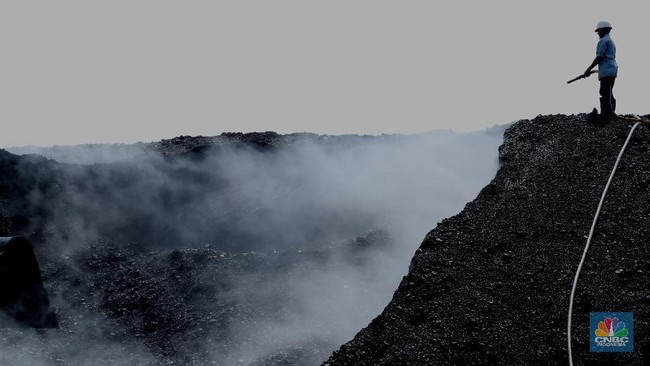
Coal prices have soared to the level of US$ 150 per tonne for the first time since 8 June 2026, marking a period of over two months. According to Refinitiv, coal prices closed at US$ 150.35 per tonne in Thursday’s (3/9/2026) trading, representing a 0.97% increase.
This rise extends a coal rally, marking seven consecutive days of gains with a total increase of 8.63%. This surge brings coal prices level with those seen on 8 June 2026. If calculated as a higher price, it represents the best record since 14 October 2024, or the last 23 months, nearly two years.
Notably, between 2024 and August 2026, coal has only touched the US$ 150 per tonne level six times.
As coal prices surge, Indonesia is identified as one of the primary drivers. The thermal coal import market in China is strengthening again. According to Sxcoal, the increase is driven by tightening supplies from Indonesia, rising replenishment costs, and the positive effects of a strengthening Chinese domestic market.
The availability of Indonesian coal for the export market is reportedly becoming increasingly limited. This situation forces Chinese buyers to face higher procurement costs. The surge is also supported by bullish sentiment in the Chinese domestic coal market. Meanwhile, weather disruptions in Indonesia, including the impact of El Niño on coal transport routes, have the potential to further tighten maritime supplies.
Data from the Indonesian Central Bureau of Statistics (BPS) shows that the value of coal exports rose by 4.75% to US$ 14.47 billion during the January-July 2026 period, up from US$ 13.81 billion in the same period the previous year. However, this increase in value is inversely related to export volumes. Indonesian coal shipments fell by 6.17% to 201.47 million tonnes, down from 214.71 million tonnes.
This condition serves as a catalyst for Asian coal prices, particularly amidst rising demand from Chinese power plants ahead of a high electricity demand period. China’s coking coal prices also continue to strengthen, though the rise is facing resistance from buyers, particularly downstream steel companies. The rising cost of raw materials has increased coke production costs, prompting coke producers to raise prices again. However, the market is concerned that steel buyers may not be able to absorb further raw material price hikes, especially after coke prices have already risen several times. Consequently, the market faces a tug-of-war between tight coking coal supply and rising production costs versus the steel industry’s ability to absorb these increases.
In China, the surge in mine prices has made shipments to ports less profitable. Shipment volumes via the Daqin Railway have fallen below 800,000 tonnes per day, reducing incoming supply and causing port stocks to dwindle. Supply at Ganxi Port, a major coal import route from Mongolia, has also decreased. Since 14 August, Mongolia has experienced diesel shortages. Most of Mongolia’s diesel is imported from Russia, which has extended the diesel export ban until the end of September. The fuel shortage has reduced short-distance transport capacity from mine sites, with the number of trucks entering and leaving ports dropping by almost half. By early September, truck traffic was only around 600-700 units per day. Combined with declining domestic production, the reduction in Mongolian coal imports is a major factor tightening the Chinese coal market.
Overall, coking coal supply in Shanxi, China’s largest coal-producing province, remains tight. As of Wednesday (2/9/2026), 46 coking coal mines remained non-operational, with a total capacity of 49.30 million tonnes. Nevertheless, this number has decreased by 73 mines from its peak in May, indicating a slight improvement in supply. Coal stocks at nine major northern Chinese ports have fallen to approximately 24 million tonnes, about 11% below recent peak levels. Annual growth has also narrowed to around 8%. With mine supplies not yet recovered, shipments to ports are expected to remain low, and stocks are likely to continue declining.
The surge in energy prices is also causing the global energy priority to shift from a focus on net-zero towards an approach prioritising energy resilience and security. This trend is driving demand and pushing up coal prices, which in turn benefits companies in the sector. The COAL benchmark index, the VettaFi Global Coal Index, surged 23.4% in August. This increase demonstrates the ongoing importance of fossil fuels in meeting energy needs during peak demand periods. Although the net-zero agenda in recent years has limited investment in new mining facilities, operating coal producers are now reaping the benefits of tight supplies. The cash flows of major companies have even reached their highest levels in recent quarters.