
Coal Prices Hit US$ 144, China Sees Largest Historical Increase
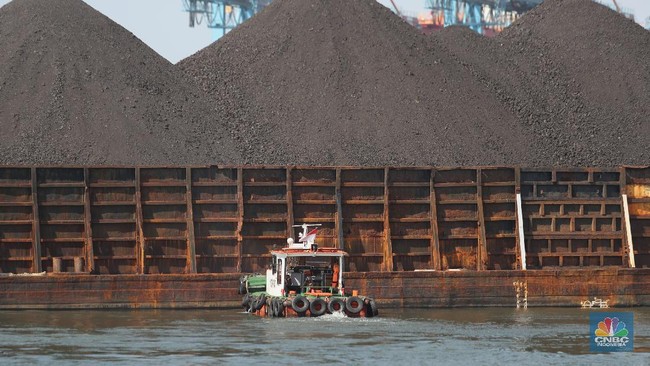
Coal prices soared, supported by rising oil prices and supply issues. On Monday (31/8/2026), coal prices closed at US$ 144 per tonne, representing a 3.04% increase. This surge marks the first time prices have breached the US$ 140 level since 12 June 2026, and stands as the highest position since that date. This increase extends a positive trend, with prices strengthening by 4.04% over the last four days. Throughout August 2026, coal prices jumped by 7.5%.
The surge in coal prices is supported by the heating of oil prices. Brent crude returned to US$ 91 per barrel on Tuesday (1/9/2026). Supply issues have also caused coal prices to ignite. China has faced coking coal supply issues for months, driving the price of this essential steel industry raw material up by 46% throughout August 2026, marking the largest monthly increase in history.
Coking coal futures on the Dalian Commodity Exchange in China rose by approximately 6% on Monday (31/8/2026), amid supply disruptions following a mining accident in May and increased safety inspections at several Chinese mines. If this 46% monthly increase holds, it will be a record since Dalian coking coal futures began trading in 2013. The previous record was set in July 2025, when prices surged by 38%.
Coking Coal Prices Pressure Steel Industry
The price surge is not felt only in China. Steel producers in India, the world’s second-largest steel producer after China, are beginning to face margin pressure due to rising raw material costs. India relies on imports to meet up to 95% of its coking coal requirements. This type of coal has a higher carbon content and lower ash and moisture levels compared to thermal coal used for power plants.
In Australia, FOB coking coal premiums surged by 25% in the first seven months of 2026 compared to the same period last year due to a series of supply disruptions. The price increase was triggered by slow growth in new mine production, rising costs due to the Iran war, supply disruptions in Australia, and a fatal mine explosion in China’s Shanxi Province, which killed more than 80 people.
Mining giant BHP assesses that coal prices for the steel industry have strengthened compared to 2025 due to high import demand from India and supply disruptions tightening the global market. Prices at the mine mouth continue to rise, subsequently increasing procurement costs for port traders. Spot supplies are becoming increasingly tight, making it difficult for traders to secure coal for resale. Rising replacement costs are also pushing port prices higher.
Thermal coal prices at northern Chinese ports are also accelerating, driven by tight supply, rising mine-mouth prices, and increased procurement costs. This domestic price increase is beginning to narrow the price advantage of imported coal. Previously, imported coal was cheaper and thus an attractive option for Chinese power plants; however, the price gap is now narrowing.
Mongolian Coal Supply to China Plummets
Supplies of Mongolian coking coal to China continue to decline after the Ganqimaodu Port tightened environmental inspections and banned coal storage in open areas. The number of trucks passing through dropped to 505 units on 27 August, the lowest since October 2025. Consequently, coal supplies at three major Chinese border ports plummeted by 73.7% to 68,175 tonnes. Mongolian coal stocks at Ganqimaodu also fell by 32% over two weeks to 2.31 million tonnes on 28 August. Mongolia is China’s largest coking coal supplier, accounting for approximately half of the steel industry’s raw material imports. These supply disruptions have further driven prices upward.
Coal India Targets 815 Million Tonne Production, Prepares 2 Subsidiary IPOs
India’s largest coal company, Coal India, has set a production target of 815 million tonnes for the 2026/2027 fiscal year (FY27) and aims to reach 1 billion tonnes per year by FY30. The Indian state-owned mining company is also accelerating plans for initial public offerings (IPOs) for two subsidiaries, Mahanadi Coalfields and Southeastern Coalfields, within the current fiscal year. This move is part of Coal India’s strategy to optimise production while unlocking company value through the capital markets. However, approximately 84 Coal India mines are currently reported to be operating at a loss, according to information cited from reports that have not been independently verified.