
Coal Prices Drop for Three Consecutive Days, China's Support Proves Ineffective
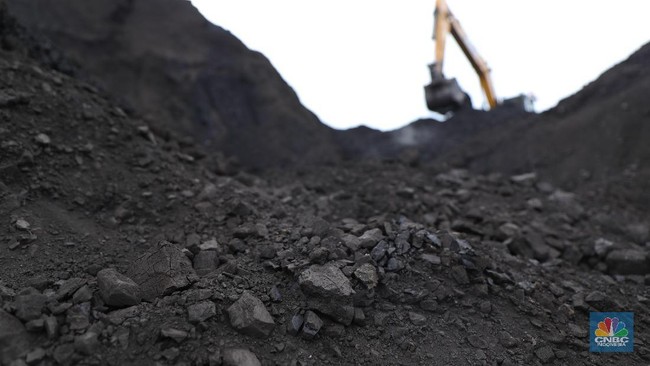
Coal prices have weakened once again. According to Refinitiv, coal prices in Thursday’s (17/09/2026) trading closed at US$ 145.3 per tonne, representing a 0.55% decrease.
This decline extends a negative trend, marking the third consecutive day of losses. Coal prices have fallen despite positive news emerging from China.
Thermal coal markets in northern Chinese ports have begun to strengthen after previously experiencing a downturn. Market sentiment is being supported by restocking ahead of holidays, rising pithead coal prices, and continued tight physical supplies, which has strengthened the bargaining position of sellers.
At the ports, coal inventories at Qinhuangdao reached 6.25 million tonnes as of early 17 September, an increase of 1.13% daily and 2.46% compared to the previous week. Inventories at Jingtang Port reached 5.46 million tonnes, up 2.44% daily and remaining relatively stable compared to the previous week.
Meanwhile, the latest projections from ExxonMobil estimate that coal will contribute 15% to the global energy mix by 2050, down from 25% in 2025. However, this figure is a 1 percentage point increase from the company’s previous projection.
According to Prasanna Joshi, Exxon’s Director of Economics and Energy, this is due to coal remaining a vital energy source in China and other Asian nations, and being considered essential for energy security. In a media briefing, Joshi stated that these conditions are causing the decline in coal usage to proceed more slowly than previously estimated.
Global coal demand is expected to hit record levels. Last week, the International Energy Agency (IEA) projected that global coal demand will rise to a record 8.94 billion metric tonnes this year. This increase comes amidst the US-Israel-Iran conflict, which is hindering crude oil exports and liquefied natural gas (LNG) shipments through the Strait of Hormuz.
However, Exxon’s energy outlook has not yet accounted for the impact of the Middle East conflict, as it is deemed too early to determine the long-term consequences. “We need a few more years to truly understand the impact on long-term fundamentals,” said Joshi, as quoted by Reuters.