
Coal Prices Drop After Surge, Driven by India's Market Dynamics
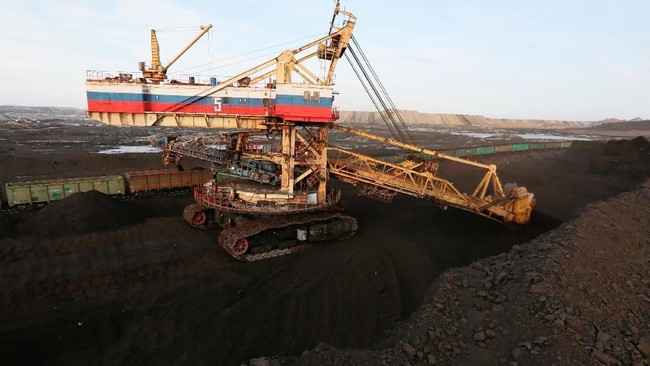
Coal prices have begun to stabilise after a sharp increase on Tuesday. The movement of coal prices is heavily influenced by China and India, which are the world’s largest consumers. According to Refinitiv, July coal contracts closed at US$ 144.8 per troy ounce on Tuesday (2/6/2026), representing a 0.92% decline. This weakness follows a nearly 7% price surge on Monday.
Despite the recent decline, coal prices remain at the US$ 140 level, the highest since late March 2026. The price drop is attributed to buyers withholding transactions following the previous price hike. Several mines have begun lowering prices due to slowing demand and a cautious ‘wait and see’ attitude among traders. Previous supply concerns were triggered by mine safety inspections in Shanxi, but pressure is easing as production rises entering June.
The thermal coal market at major Chinese ports is currently experiencing a deadlock between sellers and buyers. Sellers are maintaining high prices due to supply concerns and expensive production costs. However, buyers, particularly Chinese power utilities, are resisting these high prices and delaying purchases as profit margins tighten.
While electricity demand in southern China and India is actually increasing during the summer, the market has not seen a sharp collapse. Indonesian and Australian imported coal are still being offered at high prices, but Chinese buyers are becoming cautious as imported coal is more expensive than domestic supply.
Meanwhile, Coal India Limited slashed coal production by almost 12% in May, indicating that demand has not been able to keep pace with supply, and high stockpiles remain a concern for the Indian state-owned mining company. Production since April—a period when extreme heatwaves drove India’s electricity demand to record highs—has fallen by nearly 11% compared to last year, while shipments grew by only about 1%.
As a result, unsold coal inventories have remained above 100 million tonnes throughout the past year, putting pressure on production. This decline in production during peak demand season highlights the challenges faced by Coal India amidst energy market diversification. The company’s once near-monopolistic dominance is being eroded by captive and private producers taking market share.
“Power plants stockpiled coal before the summer, and during most of the high-demand period, they used their own stocks, thereby limiting new sales from Coal India,” said Rupesh Sankhe, senior vice president of research at Elara Capital India Pvt Ltd, as quoted by Mining.com. He also noted that renewable energy is contributing a larger share to the increase in electricity demand compared to coal, forcing Coal India to cut production. In May, when heatwaves drove peak electricity demand to record highs for four consecutive days, renewable energy production rose by 29%, while coal-fired power generation increased by only about 10%, according to Sankhe’s estimates. Coal India also reported that coal stocks at its mines reached nearly 114 million tonnes as of 24 May, a 10% increase compared to the previous year.