
Cloud Seeding Becomes a Lifeline Amid Prolonged Dry Season
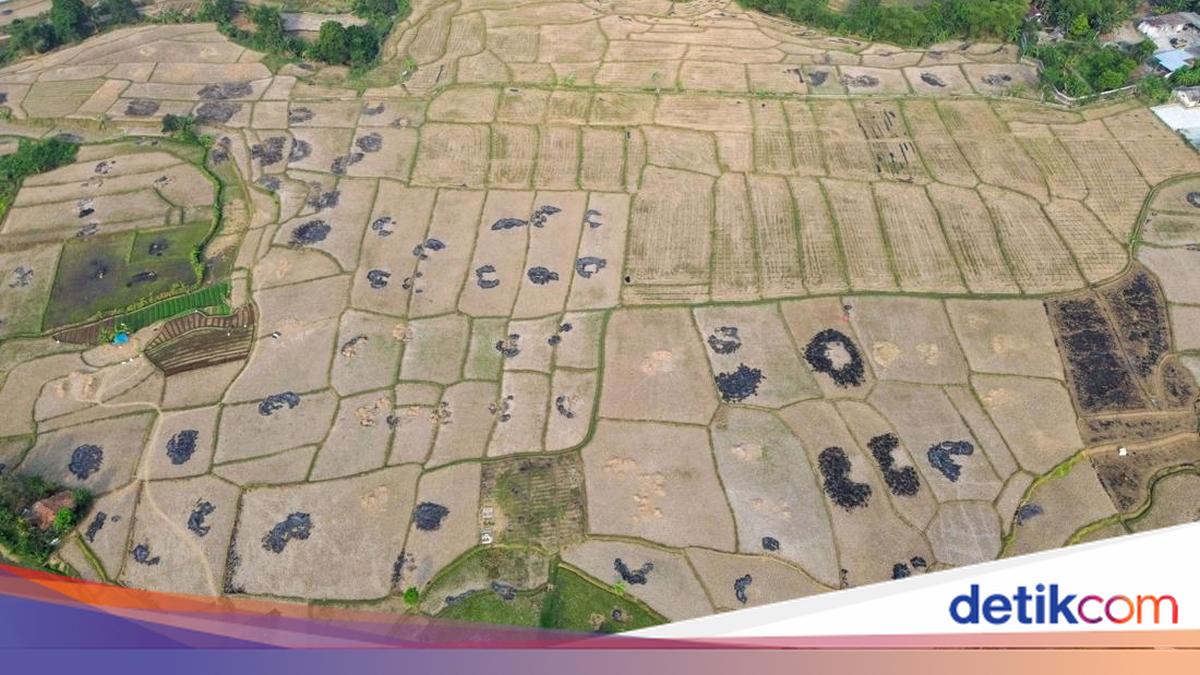
The dry season has triggered drought in various regions of Indonesia, with artificial rain now seen as a key hope for mitigating the crisis. The Meteorology, Climatology, and Geophysics Agency (BMKG) has issued warnings regarding the potential for drought due to the dry season and the El Niño phenomenon. BMKG predicts the peak of the dry season will occur from August to September 2026, with most areas of Java, Bali, and southern Kalimantan identified as regions with the highest drought potential. BMKG Principal Secretary Guswanto stated that rainfall in these areas is expected to remain below normal until early October, necessitating anticipation of drought, forest and land fires, and clean water crises. Java is expected to be one of the most severely affected islands due to low rainfall and high water demand from dense populations and agricultural activity. Meanwhile, Bali and Nusa Tenggara are also predicted to face a prolonged dry season, increasing the risk of fires. In Kalimantan, below-normal rainfall is likely to increase the number of hotspots that can trigger land fires, particularly in the southern and central parts. South Sulawesi is also forecast to experience a rainfall deficit until September, threatening the agricultural sector and water availability. In contrast, North Sumatra, Aceh, and the Riau coast are expected to have a lower drought risk and receive rain sooner due to different climatic characteristics. Guswanto explained that this year’s dry season is influenced by the El Niño phenomenon, which is expected to last until early 2027, although its impact on Indonesia is projected to weaken by mid-October. The effects of the drought are already being felt, with residents in Bojonggede, Bogor Regency, forced to collect water from public tanks as their wells have run dry, and the water level of the Ciliwung River in Bogor City has dropped so drastically that children can play on the exposed riverbed. Amid these conditions, cloud seeding has emerged as a potential solution. House of Representatives Commission IV member Daniel Johan stated that the country has moved from a prevention stage to an impact control stage, urging the government to act swiftly. He proposed emergency well drilling and weather modification to induce rain in the most affected areas and fire hotspots. Jakarta Governor Pramono Anung also plans to conduct weather modification, hoping to implement cloud seeding once or twice a week to combat the prolonged dry spell. However, BMKG Head Teuku Faisal Fathani cautioned that the operation is entirely dependent on the presence of clouds, noting that without them, modification is impossible.