
Climate Crisis Worsens Extreme Heat Threat in Indonesia
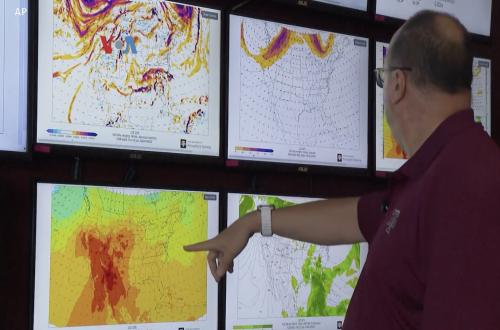
The climate crisis is increasingly driving up the frequency of extreme heat and humidity in Indonesia. This condition heightens the risk of public health disorders while serving as a warning that the impacts of climate change are now being felt more tangibly in daily life.
A new report from Climate Central, titled ‘Global Analysis: Dangerous Humid Heat Rising Due to Climate Change’, shows that the number of dangerously hot and humid days in Indonesia has risen from an average of 82 days in the 1970s to 174 days during the 2016-2025 period. Of that total, 118 days, or 68 percent, were triggered by climate change.
Globally, the number of dangerously hot and humid days has also more than doubled over the last five decades, from an average of 10 days per year in the 1970s to 23 days per year during 2016-2025. Climate Central notes that around 64 percent of all extreme humid-heat days since 1970 are attributable to human-caused climate change.
Climate Central’s Applied Climate Scientist, Kaitlyn Trudeau, stated that climate change has now transformed from a contributing factor into the primary cause of the increasing incidence of extreme heat and humidity in various parts of the world.
‘These findings show how significantly the climate crisis is altering our planet. Dangerous extreme heat and humidity have shifted from being rare events to a daily reality in some regions, pushing environmental conditions towards the safe limits of what the human body can withstand,’ Trudeau said.
The report uses a wet-bulb temperature of 25 degrees Celsius or higher as an indicator of dangerous heat and humidity. At this level, the body’s ability to cool itself through sweat evaporation begins to decline, increasing health risks.
The report also indicates that tropical regions are experiencing the most significant increases. Southeast Asia, including Indonesia, is now one of the regions with the highest frequency of extreme humid-heat days in the world due to the influence of climate change.
Trudeau stressed that the findings demonstrate climate change is no longer a future threat but is already affecting the weather conditions people experience daily. Therefore, various measures to reduce greenhouse gas emissions are considered crucial to slowing the rate of global warming and reducing the risk of increasing extreme heat events in the future.
Source: jawawa.id (https://jawawa.id/newsitem/climate-crisis-worsens-extreme-heat-threat-in-indonesia-1782377553)
Originally published by Republika (https://esgnow.republika.co.id/berita/th6gxc522/krisis-iklim-perparah-ancaman-panas-ekstrem-di-indonesia), translated from Indonesian