
Climate Change Triggers Spread of Animal-to-Human Diseases
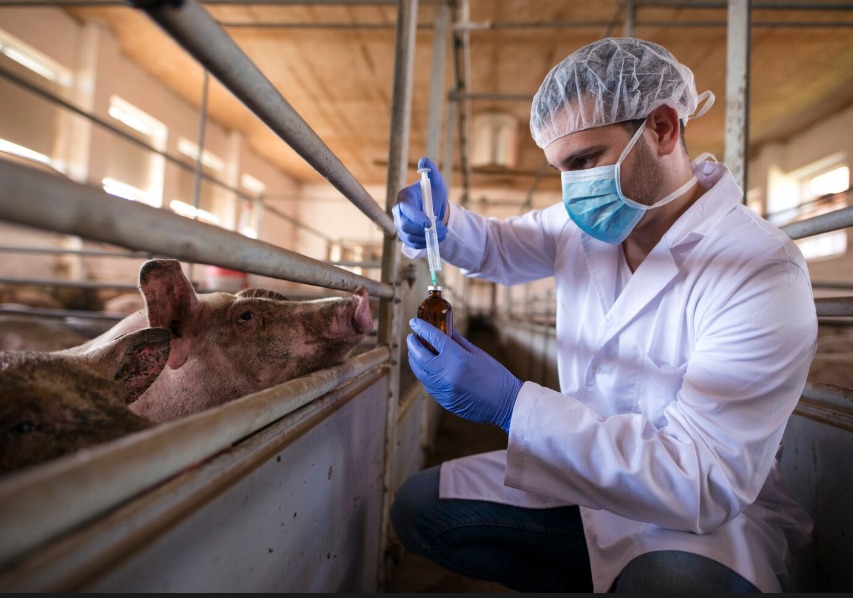
A member of the Environmental Health and Climate Change Task Force (KLPI) of the Indonesian Paediatric Society (IDAI), Riyadi, has stated that climate change is causing a domino effect leading to the spread of various diseases originating from animals.
“Animals become a problem because their original habitat is in the forest. However, due to deforestation, animals are forced to search for food, resulting in mixing between animals and human settlements,” Riyadi said during an online discussion on Tuesday (9/6).
Animals whose original habitat is the forest carry different patterns on their bodies, and the germs attached to them become a problem for humans.
“This is an example of how we change the ecosystem for reasons of technology and industry. Although it is not wrong—technology and industry are indeed good things—they must not cause disruption to the environmental balance,” Riyadi stated.
Furthermore, the rising population can expand settlements that fail to meet environmental standards and even lead to human waste being discarded everywhere, polluting the environment.
“This environmental issue is a shared problem. Poor behaviour, instead of protecting oneself, can become a source of transmission,” he concluded.
Deforestation not only threatens the sustainability of ecosystems but also increases the risk of zoonotic disease transmission—infections that jump from animals to humans. North Sulawesi has been identified as particularly vulnerable due to the high intensity of human-animal interaction in the region, making it a potential hotspot for zoonotic transmission.