
Climate Change Refugees in Zimbabwe Face Eviction Threat from New Lands
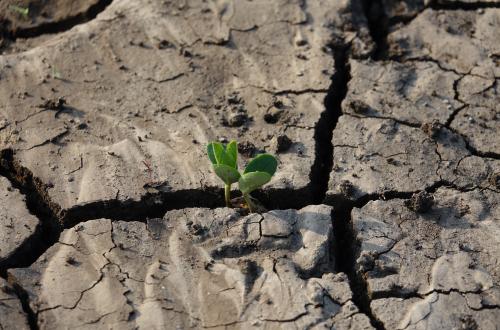
In the fertile Eastern Highlands of Zimbabwe, a destination for the country’s climate change refugees, many who hoped to rebuild their lives are now gripped by fear of being evicted once again. The government has intensified the expulsion of so-called illegal settlers, despite the refugees having been forced to move because conditions in their previous homes made farming impossible.
The Eastern Highlands, stretching 320 kilometres from Nyanga district to Chipinge on the Zimbabwe-Mozambique border, is one of Zimbabwe’s most fertile regions. With reliable rainfall, rich soil, and rivers that flow year-round, the area has become a magnet for thousands fleeing harsher climates in the lowlands.
‘I came here 18 years ago and have lived here ever since. We have nowhere else to go,’ said Llyod Gweshengwe, one of the refugees in the Eastern Highlands. The maize farmer said this year’s harvest was very good, and he hoped to secure several sacks to feed his family until the end of the year. ‘The surplus I will sell,’ the 43-year-old said beside sacks of harvested maize.
However, this sense of food security has been short-lived. At a stakeholder meeting last month in Mutare, the head of the provincial government, Minister of State for Manicaland Provincial Affairs and Devolution Mischeck Mugadza, announced tougher measures against illegal settlers. He said he would order the police and prosecutors to intensify arrests and legal action against traditional leaders, brokers, and government officials who violate the law in land allocation.
‘There is zero tolerance for corruption. The Environmental Management Agency must enforce Environmental Impact Assessment requirements and environmental protection laws in ecologically sensitive areas. Wetlands, riverbanks, and forests are not for sale. Traditional leaders must operate strictly within the corridors of the Traditional Leaders Act and report illegal activities to the relevant authorities,’ Mugadza told the meeting.