
Climate change pushes rice-growing regions beyond temperature limits in 9,000 years of human history
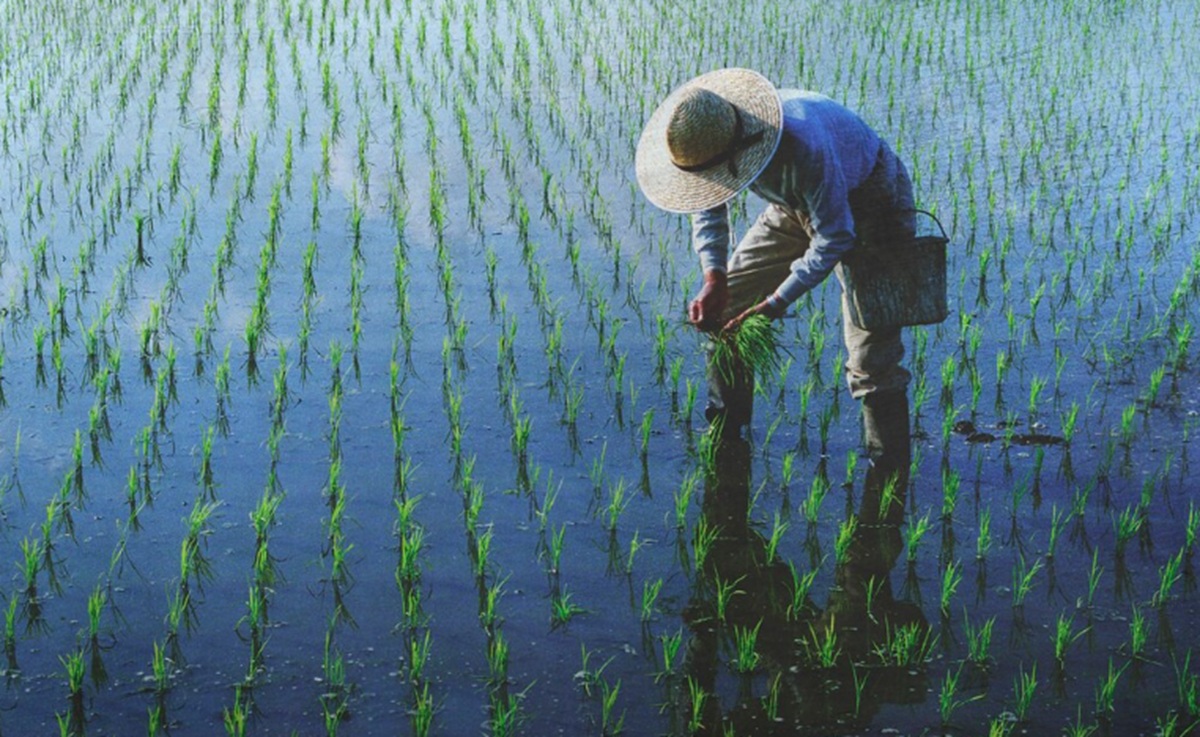
Climate change is pushing rice-producing regions to temperatures far higher than those ever experienced during 9,000 years of rice cultivation. A new study shows that current global warming is unfolding about 5,000 times faster than the rate of evolutionary change rice has previously endured. The lead author, anthropologist and geographer Nicolas Gauthier of the Florida Museum of Natural History, explains that while humans can breed heat-tolerant varieties or relocate fields to new regions, future warming is expected to cause serious disruption for billions who depend on rice for their livelihoods.
“We do not want to downplay human adaptability,” Gauthier told Live Science. “But we also want to acknowledge that adaptation has occurred, and in some cases we may be closer to the edge of what can be reasonably adapted within that timescale.”
Rice is a staple for more than half the world’s population, with 90% of cultivation occurring in Asia. According to the World Economic Forum (WEF), some rice-producing regions have already begun to feel the effects of extreme warming, directly impacting yields.
Although rice is a crop that loves warmth, the photosynthetic process halts at around 40 C (104 F). Excessively high temperatures also damage pollen viability and grain development. Beyond temperature, rice is highly water-dependent, so shifts in monsoon and dry-season rainfall create major constraints. Rising sea levels threaten low-lying paddies inundated with saltwater, which can kill the crop.
Gauthier and his team gathered palaeoclimate data from archaeological sites containing evidence of rice cultivation over nearly a millennium. In their report published in Communications Earth & Environment, they found that humans historically expanded rice cultivation into cooler regions through breeding cold-tolerant varieties. However, the upper temperature limit has remained unchanged since the start of rice cultivation 9,000 years ago.
Throughout history, rice agriculture has been limited to areas with average annual temperatures below 28 C (82.4 F) and average maximum summer temperatures below 33 C (91.4 F). Gauthier adds that climate change could warm areas previously too cold for rice, enabling geographic shifts. But moving long-established farming areas is not easy and would trigger large-scale economic and food-security impacts.
“You could keep global rice production level by moving cultivation locations,” he says. “But that does not solve the problem for people in South Asia who depend on rice for their daily consumption.”