
Climate Change Influences Investment Decisions, Says Finance Ministry
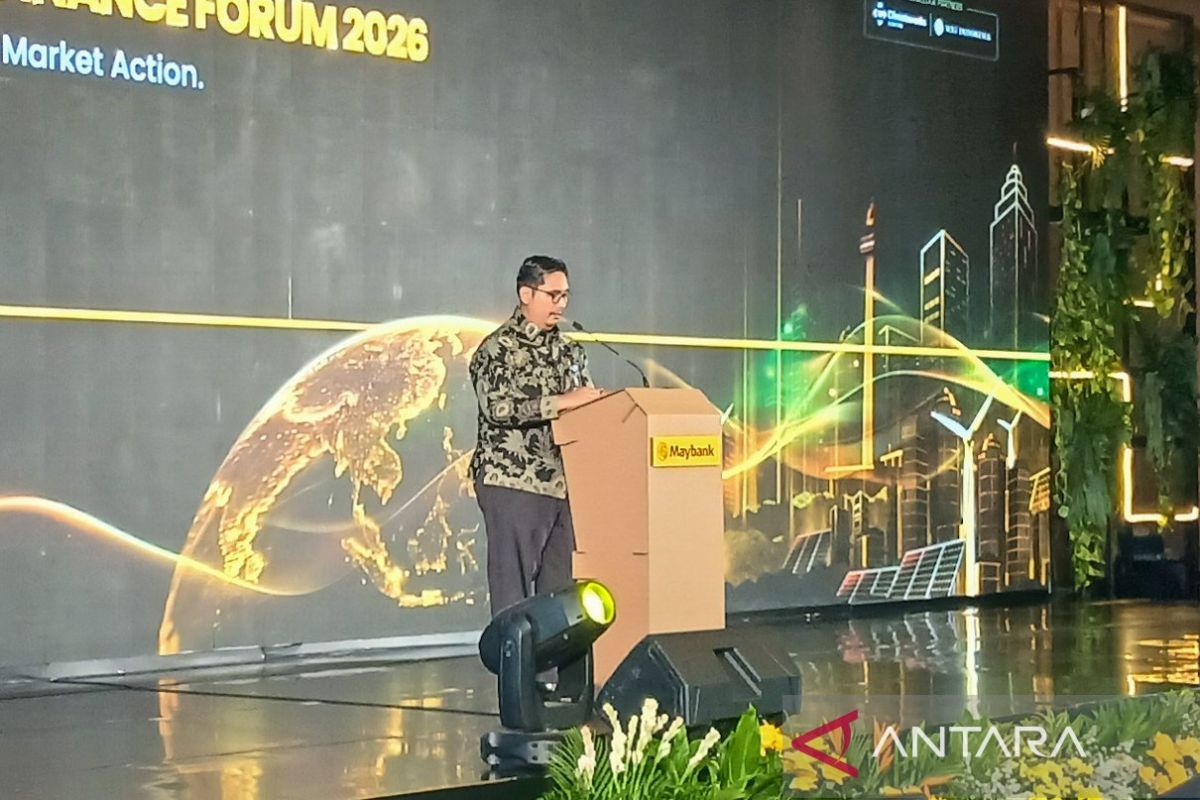
Plt Director General of Financial Sector Stability and Development at the Ministry of Finance, Herman Saheruddin, stated that climate change is now influencing investor decisions. This is due to transition risks as various countries adopt green technology, implement carbon regulations, and shift consumer preferences towards sustainable products. “These developments affect investment decisions, trade competitiveness, financing needs, fiscal revenues, and ultimately, financial sector stability,” Herman said in Jakarta on Tuesday. In addition to transition risks, he noted that climate change also brings physical risks such as floods, droughts, rising sea levels, and extreme weather, which disrupt infrastructure development, agricultural activities, and economic productivity. “For Indonesia, the economic consequences are very significant. Climate change can cause substantial economic losses and reduce labour productivity if no meaningful mitigation action is taken,” he said. Recognising these challenges, the government is integrating the global sustainable development agenda into national priorities through the Asta Cita mission. Herman explained that Asta Cita not only emphasises economic growth but also resilience, competitiveness, environmental sustainability, and equitable development. To achieve this, he said fiscal policy plays a strategic role in mobilising green investment and sustainable financing, strengthening food, energy, and water security, and creating an environment that supports innovation and future industries. However, he acknowledged that the state budget only contributes a small portion of the financing needed to meet Indonesia’s climate commitments. During the 2018-2024 period, the state budget only financed 12.9 percent of the total climate mitigation budget requirements, leaving a financing gap of 87.1 percent, with an average required climate expenditure of Rp73.5 trillion per year. The Ministry of Finance is therefore committed to expanding innovative financing instruments and strengthening partnerships with the private sector and development partners to ensure sustainable development targets are met. “Ultimately, sustainable financing is not just an environmental commitment. It is a crucial instrument to realise Indonesia’s vision of becoming an advanced economy by 2045,” Herman said.