
Climate change increases risk of dengue, malaria, and diarrhoea in children
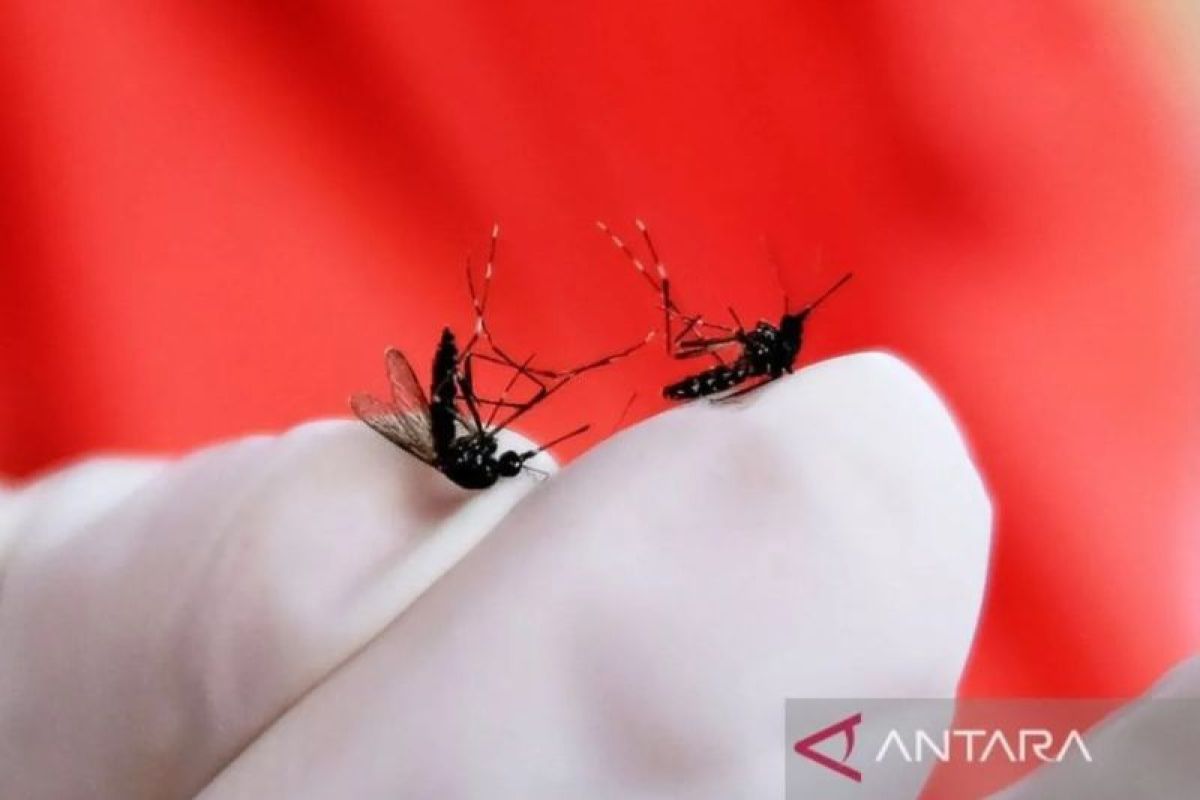
The Central Board of the Indonesian Paediatric Society (IDAI) has stated that climate change, marked by rising global temperatures and shifting rainfall patterns, can increase the risk of tropical diseases such as dengue haemorrhagic fever (DBD), malaria, and diarrhoea in children. Dr. Riyadi, a member of IDAI’s Environmental Health and Climate Change Task Force, explained that changing environmental conditions allow disease-carrying vectors to breed more easily and expand their distribution areas. “Globally and locally, rising earth temperatures will cause tropical zones to widen. Due to this temperature change, areas that previously never experienced dengue are now beginning to see cases,” Riyadi said during an IDAI media seminar commemorating World Environment Day. He explained that disease-carrying mosquitoes, such as those spreading dengue and malaria, are heavily influenced by environmental temperature. Rising temperatures allow mosquitoes to live and breed in regions that were previously too cold. Moreover, altered rainfall patterns create more standing water, which becomes breeding grounds for mosquitoes. “When rainfall is high, the risk of dengue usually increases because many puddles become places for mosquitoes to breed,” he stated. According to Riyadi, climate change also impacts the rising risk of diarrhoea, especially when flooding and sanitation disruptions occur more frequently due to extreme weather. Impaired access to clean water and sanitation facilities facilitates the spread of waterborne diseases, particularly among children whose immune systems are more vulnerable. He added that climate change affects the balance between the environment, humans, and disease-causing agents, triggering shifts in the distribution patterns of infectious diseases. “The pathogens move, the hosts become vulnerable due to exposure, and the carriers can also grow and breed in that location,” he said. Therefore, Riyadi assessed that climate change control efforts must be undertaken concurrently with strengthening sanitation, clean water access, public education, and environment-based disease prevention to protect children’s health. “If the climate changes, diseases sensitive to the environment will also change their distribution patterns. Children are the group we most need to protect,” he concluded.