
Climate change demands a change in the way disasters are managed
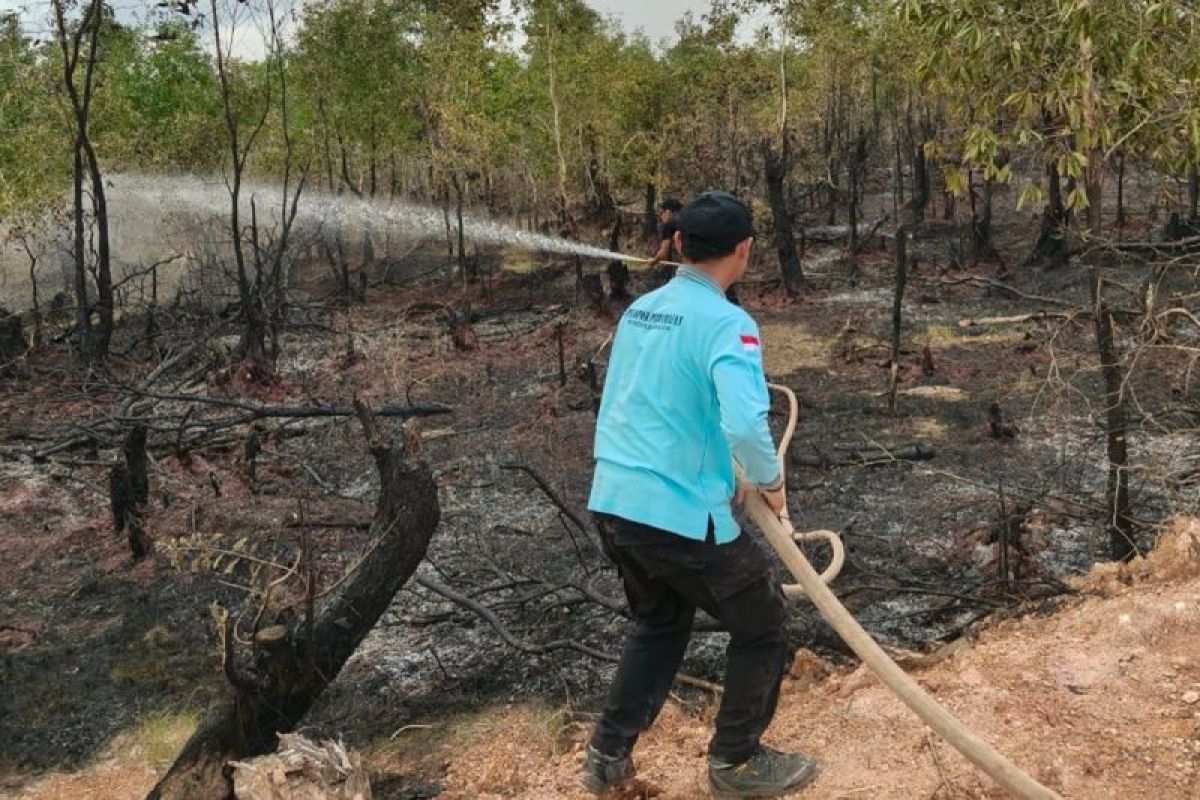
After a fire, the government needs to promptly assess land conditions and the possibility of subsequent risks emerging.
Jakarta (ANTARA) – Fire has not fully become yesterday’s story when the next threat begins to loom.
Dried and burned land leaves behind damaged vegetation and a more exposed ground surface. When heavy rain returns, the area’s ability to retain and absorb water may be reduced.
Surface run-off increases, erosion occurs more easily, sediment is carried into rivers, and downstream areas face greater risks of flooding and material flows.
This situation shows that a disaster does not always end when the main event is over. A fire that has been extinguished can leave new vulnerabilities, while rain after a dry period can trigger the next risk.
For Indonesia, with its forests, peatlands, mountains, coasts, and high population density, accounting for these interconnected risks is increasingly important.
The problem becomes more complex in the context of climate change. The World Meteorological Organization (WMO) recorded 2015–2025 as the eleven hottest years in observational records. 2025 ranks among the hottest years ever recorded, with global average temperatures around 1.43 degrees Celsius above the pre-industrial level of 1850–1900.
Global warming is occurring alongside various extreme weather events affecting communities, infrastructure, economies, and ecosystems.
For Indonesia, climate change is not merely a matter of rising air temperatures. Shifting rainfall patterns, drought, extreme rain, and changing seasons can compound existing risks.
Drought makes land more susceptible to burning, while high-intensity rainfall after a dry period can increase run-off, erosion, and flood potential, particularly in areas where vegetation cover has been damaged.
This condition is reflected in forest and land fire events throughout 2026. Data from the National Disaster Management Agency shows that the area of burned land in South Sumatra had reached more than 1,900 hectares by early September. In Riau, the burned area since the beginning of the year has also exceeded 15,000 hectares.
These figures do not merely illustrate the extent of land affected by fire. Behind them lie ecological changes that can heighten an area’s vulnerability to subsequent disasters.
The loss of vegetation leaves the ground surface more exposed and, under certain conditions, reduces the soil’s ability to absorb water. When heavy rain falls, water flows more quickly across the surface while carrying soil particles. This process can increase erosion and sedimentation, adding pressure on rivers and drainage systems.
Post-fire risks can also include debris flows, namely fast-moving mixtures of water and solid material, ranging from mud and sand to rocks, wood, and other materials. Therefore, handling forest and land fires should not stop once the flames have been extinguished.
After a fire, the government needs to promptly assess land conditions and the possibility of subsequent risks emerging.