
Climate Change and Uncontrolled Urbanisation Heighten the Risk of Outbreaks
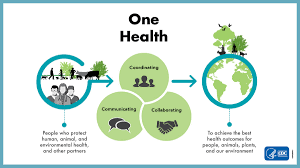
Director of the Postgraduate Programme at YARSI University, Tjandra Yoga Aditama, warned that the potential for outbreaks of infectious diseases will continue to recur as the environment changes, zoonoses rise, and antimicrobial resistance makes diseases harder to control. According to Tjandra, the growth of global infectious diseases is influenced by many factors, including climate change, which is believed to increase the risk of a number of diseases, including dengue. “Climate change is one of them; for example, there has been much discussion about the possible rise in dengue due to El Niño Godzilla and the drought that is reported to be coming,” he said when contacted on Tuesday (19/5). He explained that the threat from infectious diseases is also magnified by increasing zoonoses—diseases originating from animals—driven by habitat disruption from deforestation and closer human-animal interactions. In addition, Tjandra highlighted the threat of Antimicrobial Resistance (AMR) that makes treatment more difficult. Globalisation is also seen as accelerating cross-border disease spread due to increasing human mobility. “Poorly planned urbanisation, for instance with waste scattered everywhere that becomes a source of infectious diseases, is also an important factor,” he said. Tjandra believes Indonesia must strengthen health resilience to face potential outbreaks in the future. He cites five main steps the government should prioritise. First, health must be a priority in every aspect of national development through a health-centred development approach. Second, strengthen promotional and preventive programmes such as immunisation, control of mosquito nests through 3M Plus, and Indoor Residual Spray (IRS) for malaria prevention. Third, the government must ensure an adequate supply of health workers, not only specialist doctors, but also village-level health personnel such as sanitarians, immunisation officers, and village midwives. Fourth, infectious disease control must be reinforced through a strict surveillance system, early detection, rapid treatment, and strengthened laboratories that are accessible to the public. Fifth, Tjandra urges serious adoption of the One Health approach, involving human health, animal health, and environmental health in an integrated manner. “Only with collaborative work across human, animal, and environmental health can infectious disease problems be tackled,” he said. He also stressed that preventative and preparedness measures for future pandemics must begin now.