
Clean Energy Treasure! Study Reveals World's Mountain Ranges Store Natural Hydrogen Gas Reserves
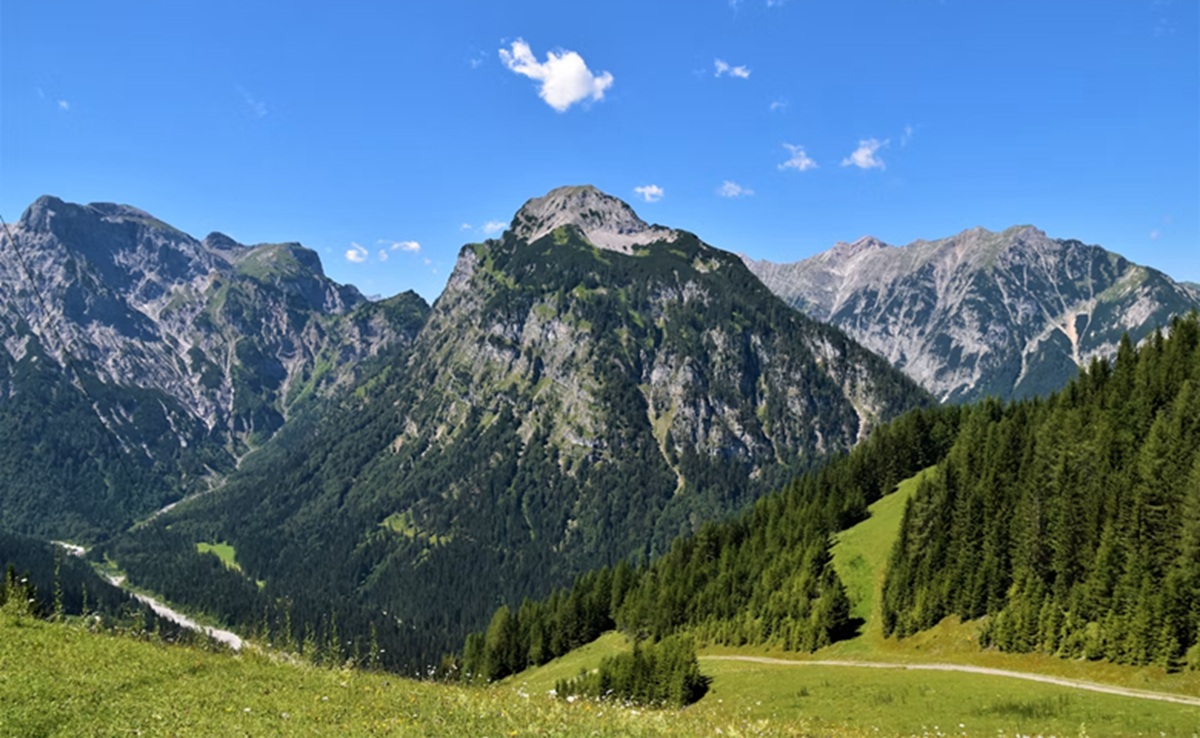
Hydrogen gas is expected to play a central role in global efforts to phase out fossil fuels, particularly for industrial sectors considered the hardest to decarbonise, such as chemical production, shipping, and steelmaking. However, producing hydrogen synthetically has long been known to be highly energy-intensive and costly. For the hydrogen economy to function optimally, the world requires a reliable source of natural hydrogen gas. The question is whether this future clean energy has been hidden inside the Earth’s mountain ranges all along. A recent study published in the Journal of Geophysical Research: Solid Earth attempts to answer this puzzle. Using tectonic plate movement simulations, researchers investigated three major mountain ranges: the Pyrenees, the Alps, and the Baetic Cordillera. This step was taken to assess whether past mountain formation processes could have generated and stored hydrogen gas within them. The results indicate that the Alps and Pyrenees have strong potential as sites for natural hydrogen exploration. Based on the simulation model designed by the scientists, the formation processes of these two mountain ranges successfully brought rocks from the Earth’s inner mantle to the surface at a speed deemed ideal. As these deep rocks rose to the surface, they reacted with water, releasing hydrogen gas, which then accumulated and became trapped in the porous rock layers above. Conversely, different conditions were found in the Baetic Cordillera, located in southern Spain. This mountain range exhibited a much faster rate of tectonic uplift and erosion. The speed of these processes is thought to have left the rocks with insufficient time to produce hydrogen gas in large volumes, coupled with the possible loss of reservoir rocks due to erosion. This discovery brings fresh impetus to the development of the global green energy sector. Going forward, the tectonic simulation method applied in this study could be implemented to analyse other mountain ranges around the world. This would allow researchers to map and identify other potential sites storing this natural hydrogen treasure to support the acceleration of the world’s clean energy transition.