
Clean Energy and Healthy Ecosystems Key to Overcoming Coastal Challenges
Indonesia’s coastal communities are the backbone of the national blue economy. Yet, behind the immense potential of the fisheries, aquaculture, and marine-based industrial sectors, many coastal communities still face income instability despite contributing significantly to the economic value generated.
According to data from the Ministry of Marine Affairs and Fisheries, Indonesia’s fisheries export value in 2025 reached a record high of US$6.27 billion. Indonesia also possesses the world’s largest mangrove carbon reserves, with approximately 3.1 billion tonnes of carbon stored in coastal ecosystems.
However, limited cold storage facilities, processing capacity, logistical infrastructure, and market access mean that most of this economic value is not yet fully enjoyed by the communities in the producing regions.
The Global Energy Alliance for People and Planet (GEAPP), in collaboration with Konservasi Indonesia and various partners including the International Pole and Line Foundation (IPNLF) and GIZ, is supporting coastal communities in Maluku to identify local needs while developing integrated solutions. These solutions aim to strengthen livelihoods, enhance community resilience, and protect the marine ecosystems that sustain their lives.
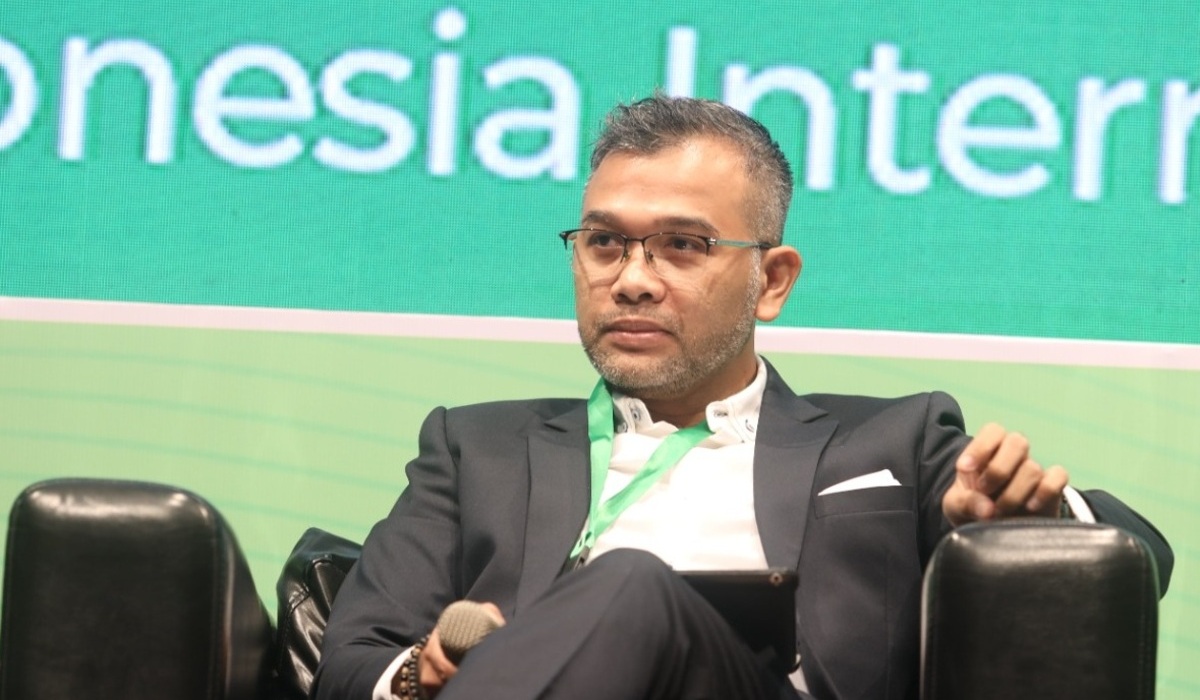
“Indonesia’s coastal communities inherently possess the resources, knowledge, and economic potential needed to thrive. The challenge is ensuring that investments in clean energy, infrastructure, market access, and ecosystem management are carried out in an integrated manner so that communities can capture greater economic value from the outputs they create,” said Rizky Fauzianto, Indonesia Country Lead for the Global Energy Alliance for People and Planet (GEAPP), in an official statement on Wednesday (1/7).
In many fishing villages, fishers often return from the sea with abundant catches. However, limited access to ice, cold storage facilities, and reliable transport forces them to sell their catch as quickly as possible at lower prices. In some areas, post-harvest losses can reach 30 to 50 per cent. Seaweed farmers experience similar conditions. Of Indonesia’s total seaweed production, which reached 10.8 million tonnes in 2024, the majority is still exported as dried raw material rather than being processed into value-added products domestically.
The availability of reliable energy is a key factor in overcoming these challenges. On many remote islands and in areas of Eastern Indonesia, communities still rely on diesel generators, with fuel supplies having to be transported over long sea routes. This situation makes electricity costs expensive and supply vulnerable to disruption.
The application of clean energy solutions tailored to local needs can support ice production operations, cold storage facilities, fisheries product processing, refrigeration systems, digital connectivity, health services, and the development of small enterprises. By enabling products to be stored longer and marketed more optimally, access to reliable energy can help communities reach markets with higher added value while building a stronger and more sustainable local economy.
This initiative is embodied in an approach called “Sun to Sea”, which links energy utilisation for productive activities with the strengthening of sustainable livelihoods and ecosystem management. Improved access to reliable energy to support the cold chain and other productive activities can reduce post-harvest losses, ease pressure on fishery resources, and create more sustainable coastal livelihoods in the long term.
Healthy coastal ecosystems play an equally important role. Mangrove forests, seagrass meadows, and coral reefs contribute to fisheries productivity, protect coastlines from abrasion and extreme weather, and serve as the main support for local livelihoods. When communities are able to increase income and reduce losses, they will have greater capacity to invest in the long-term management of the natural resources that form the foundation of their economy.
This initiative aligns with various Indonesian national development priorities, including the Kampung Nelayan Merah Putih programme, which targets the development of 5,000 fishing villages through infrastructure development and economic strengthening, and the 100GW Village Solarisation programme, which aims to expand access to solar energy while reducing dependence on high-cost diesel power plants.
“The greatest opportunity we have is to connect these various investments at the community level. When energy, livelihoods, market access, conservation, and community resilience are designed to be interconnected, each will support one another in ways that cannot be achieved through standalone projects,” said Rizky Fauzianto.
As an initial step, the partners will assist several pilot communities to test and refine the community-led development model. Support through catalytic grants and philanthropic funding is expected to generate early learnings, reduce implementation risks, and strengthen community capacity. Once the model proves effective, the government, development finance institutions, businesses, and investors are expected to support the replication of viable solutions across various coastal regions of Indonesia.
Through the interconnection of clean energy, enhanced economic opportunities, and ecosystem management, the initiative aims to build a more resilient and prosperous future for Indonesia’s coastal communities.