
Claude Called the Best AI, Meet the Woman Behind It
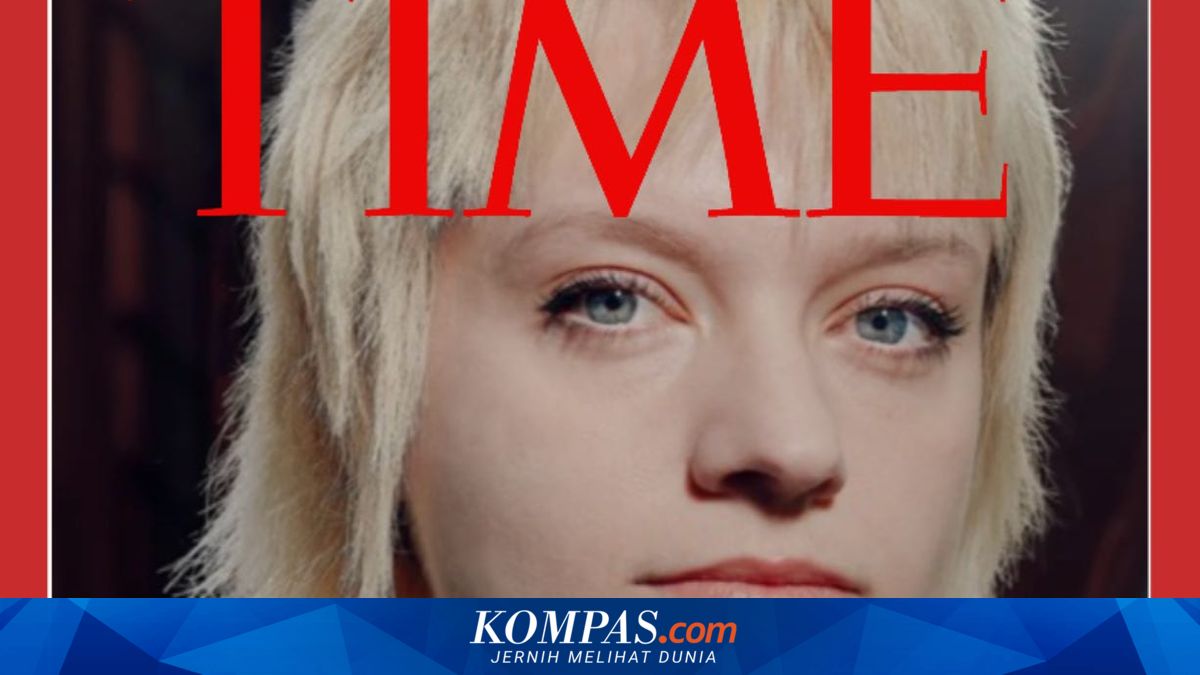
For those who have tried various popular artificial intelligence (AI) chatbots, a subtle difference may be noticeable when chatting with Claude. When users share their grievances, work problems, or a bad day, Anthropic’s creation often responds with sentences that feel deeply human and warm, such as, “That sounds really hard.”
These responses do not feel like the rigid, template-based replies typical of robots, but rather like the empathy of a caring friend. Claude’s ability to “sense” emotions and respond with empathy has led many to praise it as the AI that humanises its users the most. However, how can a machine made of billions of parameters and computer code learn about empathy?
The answer lies in the fact that Claude’s understanding nature is not merely a result of algorithmic coincidence. There is the influence of a female Scottish philosopher named Amanda Askell behind it. In Silicon Valley, which is typically dominated by computer engineers who have been proficient in coding since their teenage years, the presence of Amanda Askell is an anomaly.
Askell serves as the Head of Personality Alignment at Anthropic. Rather than managing server speeds or designing hardware, her primary task is to instill a moral compass and define Claude’s personality. Growing up in the town of Prestwick, Scotland, Askell was raised by her mother, who was a teacher. Her interest in questions regarding existence and morality was ignited at a young age, stemming from her hobby of consuming the epic works of J.R.R. Tolkien and C.S. Lewis.
Her educational background is far removed from the typical world of programming. Askell began her journey studying fine arts and philosophy simultaneously at the University of Dundee, where she practised painting while contemplating the meaning of life. Her academic journey continued to the University of Oxford to obtain a BPhil, and culminated at New York University (NYU), where she earned her PhD. At NYU, Askell’s thesis addressed one of the most complex corners of philosophy: infinite ethics. She grappled with questions of how morality functions when applied to an infinite scale of population. Armed with moral philosophy and the ability to embrace ambiguity, Askell eventually entered the world of artificial intelligence.