
Clarifying the Myth of Responsibility for Railway Crossing Gates
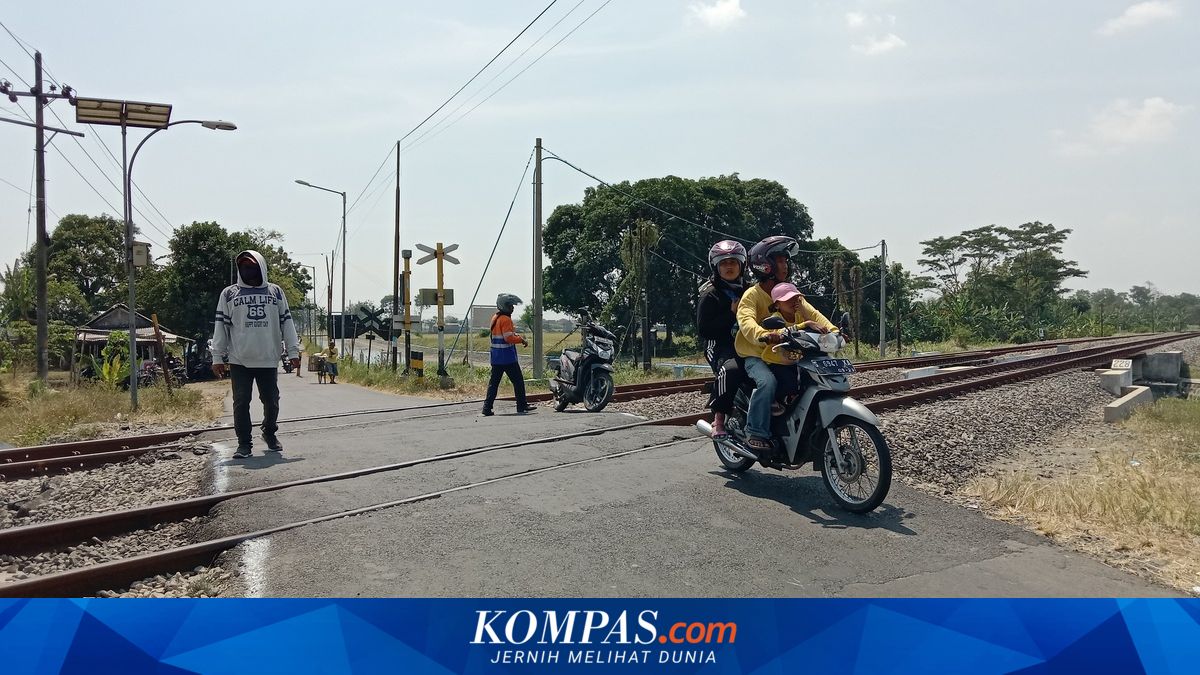
Incidents of accidents at level railway crossings continue to occur frequently in various regions. Often, the public points to PT Kereta Api Indonesia (Persero) as the party most responsible for safety and the provision of crossing gates at those locations. According to him, public understanding regarding who builds and is responsible for level crossings needs to be clarified. Darmaningtyas emphasised that the existence of level crossings generally arises due to the mobility access needs of residents, not intentionally created by the railway operator. “Transportation observer and Chairman of the Institute for Transportation Studies (Instran) Ki Darmaningtyas said that the crossing gates or actually the level crossings are not made by KAI, but generally by residents,” Darmaningtyas stated when contacted by Kompas.com recently. In terms of regulations, the responsibility for managing level crossings is actually divided based on the status of the road that crosses the railway line. “So, residents should not burden PT KAI, unless that is indeed the regulation,” Darmaningtyas said. He detailed that this responsibility lies with the government as the road organiser, according to the respective administrative level. This is done to ensure that the safety aspects for road users remain maintained. “Level crossings are the responsibility according to each road class. If on a national road class, it is the central government. If on a provincial road, it is the provincial government. If on a district or city road, it is the city government,” Darmaningtyas said. Railway lines are static routes that already exist, while the opening of new roads that cross the rails usually occurs along with the development of settlements or residents’ economic activities around the rails. “So, they are the ones responsible for the level crossings. Because the ones who need the level crossings are not the railways, but the community whose roads cross the railway crossings,” he said. Therefore, synergy between local and central governments is key in reducing the number of accidents at level crossings. Closing illegal crossings and improving security facilities at official crossings must be a priority for the relevant agencies, not just burdened on the railway operator. “KAI’s responsibility is only limited to operating the trains. Even the maintenance of tracks and stations, if following the law, is actually the government’s domain. So far, many people do not understand that level crossings are not PT KAI’s responsibility,” he said.