
Claim That War with Iran is Nearly Over, Trump Prepares Heavy Assault for Three Weeks
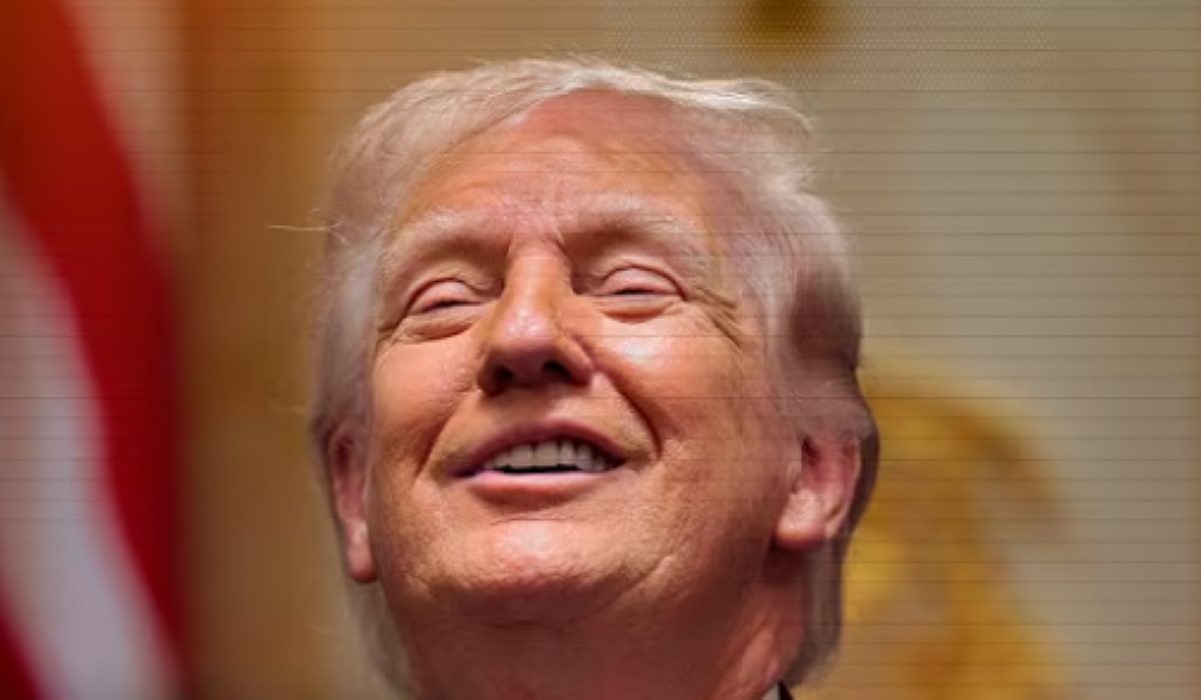
US President Donald Trump has claimed that the joint military campaign with Israel against Iran is nearing its conclusion. However, he warned that major attacks will continue over the next two to three weeks to complete Washington’s military targets.
In his first national address since the war broke out on 28 February, Trump sought to calm the domestic public, which is growing weary of the protracted conflict. Nevertheless, Trump emphasised that military pressure will not subside.
“Thanks to the progress we have made, I can say tonight that we are on track to complete all of America’s military objectives in the near future, very near,” Trump said from the White House on Thursday (2/4) WIB.
“The core strategic objectives are nearly achieved, but we will hit them very hard over the next two to three weeks,” he stated.
Trump also pledged to protect regional allies from Israel to Gulf countries affected by Iranian drone and missile attacks.
On the other hand, Trump opened the possibility of a diplomatic path with Iran’s new leadership, which he deemed more rational. However, he warned that if no agreement is reached, Washington has targeted Iran’s vital infrastructure, including power plants.
The speech did little to alleviate global energy market anxieties. Oil prices surged after Trump urged other countries to help reopen the Strait of Hormuz, a vital route carrying about one-fifth of the world’s oil supply, now disrupted by the conflict.
Iran remains steadfast. The Islamic Revolutionary Guard Corps asserted that the strait will remain closed to enemies.
Meanwhile, Tehran rejected Washington’s ceasefire signals. Iran’s Foreign Ministry spokesman Esmaeil Baqaei described the US demands to end the conflict as irrational. Iran emphasised there are no direct negotiations as claimed by Trump.
“The message was indeed conveyed through intermediaries, but there are no direct negotiations with the United States.”
Tensions have also spilled over into US domestic politics. Trump’s popularity is reportedly declining amid economic concerns and diplomatic pressures from the war.
Hours before Trump’s speech, Iranian President Masoud Pezeshkian delivered an open message to the American people. He questioned whether the war truly aligns with America’s First interests.
“The American people are not our enemies, even amid repeated pressures and interventions,” he said. (AFP/I-2)
Tensions in the Middle East are intensifying. Iranian state media described Elon Musk’s Starlink satellite internet service as a legitimate target for attack.
According to sources, Trump telephoned Mohammed bin Salman to discuss ceasefire prospects with Iran. The US sent a proposal to Tehran, with the conflict triggering a global energy price surge.
US President Donald Trump claimed that Iran requested a ceasefire on the condition of reopening the Strait of Hormuz. Tehran strongly denied the claim.
Iranian Foreign Minister Abbas Aragchi affirmed that Tehran is prepared for six months of war and denied any negotiations with the US amid the regional conflict.
The US Department of Defense reportedly expressed concerns after the United States used more than 850 Tomahawk cruise missiles in the conflict against Iran.
The Israeli military reported two Iranian missile attacks in quick succession. The attacks are suspected to have used cluster bombs and injured several residents in Tel Aviv.
Israeli Defense Minister Israel Katz announced plans to destroy villages on the Lebanese border and establish a buffer zone up to the Litani River.
Iranian Foreign Minister Abbas Aragchi reaffirmed that Tehran is ready for six months of war and denied negotiations with the US during the regional conflict.
Israeli military forces are reportedly not involved in the US’s planned ground invasion of Iran.
The Indonesian Foreign Ministry issued strong condemnation of the Israeli parliament, the Knesset, decision to approve a law imposing the death penalty on Palestinian prisoners.