
Ciwidey’s Local Matcha Boosts the Economy
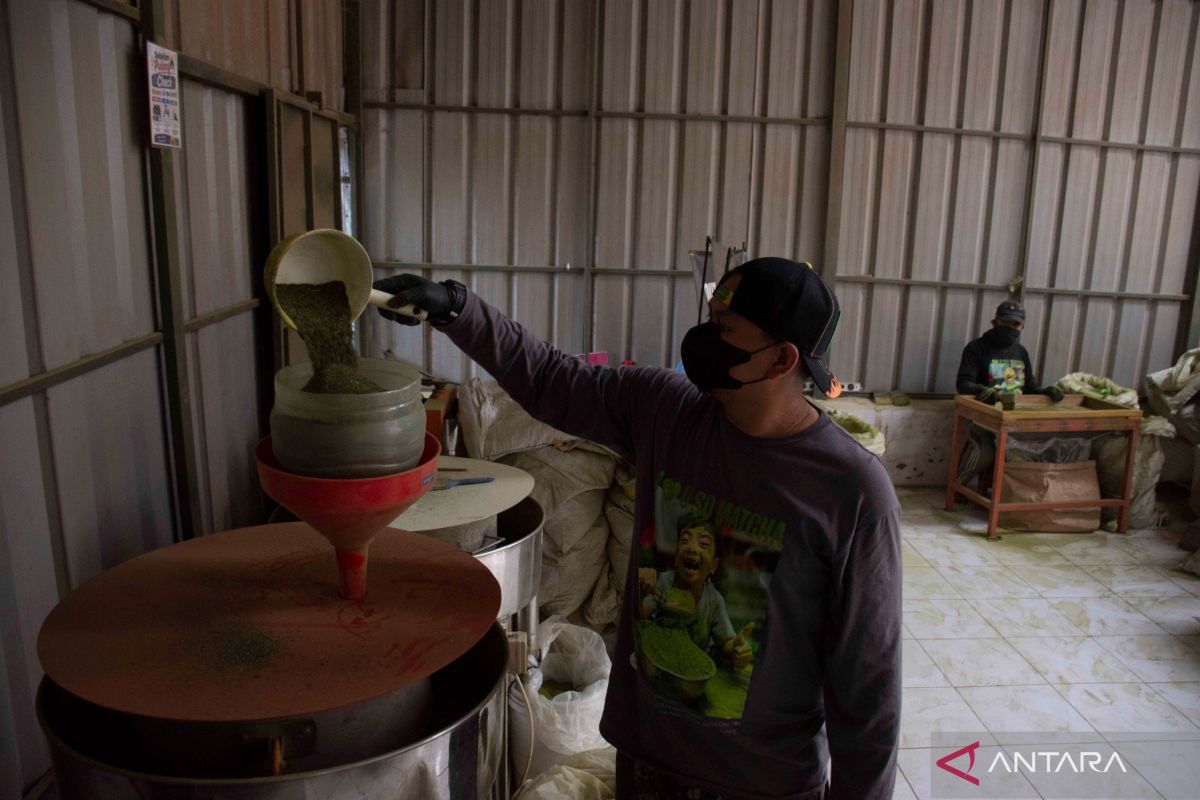
Bandung (ANTARA) – From the expanses of tea gardens in Ciwidey, Bandung Regency, the shoots picked by farmers usually begin their journey to processing factories.
Some tea leaves from the area, however, are now taking a different route before being turned into higher-value matcha powder.
This shift is part of the business journey of Rizal Firdaus Rayfasha, who founded IndoMatcha. Drawing on the potential of tea plantations in his home region, he has developed a product known as a traditional Japanese drink, but whose raw material can be processed from locally grown tea.
Rizal has long been familiar with his family’s tea business. It began operating around 2011–2012, and he became involved in 2014. In 2017, he began developing matcha, with production capacity of around 5–10 kilogrammes per month.
“Why not develop my local matcha on a larger scale?” Rizal said.
The opportunity grew as supplies of raw materials from Japan faced challenges. In 2022–2023, demand for matcha rose, while supplies became harder to obtain and prices continued to climb.
“It’s difficult to get the raw materials from Japan, and the price keeps going up,” he said.
That situation created room for local products. Rizal then developed processing using tea leaves supplied by farmers and vendors around Ciwidey. From there, tea shoots that had previously been sold as raw material for industry were redirected into a product with a different character and economic value.
Exceptional tea shoots
IndoMatcha does not own its own plantations. It sources raw materials from community-owned gardens and suppliers around Ciwidey. As a result, product quality depends not only on processing, but also on the condition of the plants, harvesting, and how the leaves are handled from the moment they leave the gardens.
One of the methods used is to shade the plants for around 12 days before harvesting. The tea comes from the assamica and sinensis varieties, which have different characteristics to suit the desired end product.
Relations with farmers are an important part of the business’s supply chain. According to Rizal, large factories generally buy tea shoots for Rp2,500–Rp3,000 per kilogramme. IndoMatcha pays Rp4,000–Rp10,000 per kilogramme. For the special tea category, the price can reach Rp12,000 per kilogramme.
The price difference points to opportunities to increase the value of raw materials at the upstream end of the supply chain. Although it does not yet indicate higher incomes for all the supplying farmers, the purchasing model shows that the quality of tea shoots can open up different market options and prices.