
Civil Service in Indonesia Underwent a Complete Overhaul, Replacing the Old System with a French-Inspired Model
Jakarta, CNBC Indonesia — Indonesia’s government personnel system underwent major changes during the Dutch colonial period. Before a more orderly system of positions, ranks and salaries was established, the bureaucracy in Java still inherited administrative practices from the era of the Vereenigde Oostindische Compagnie (VOC), which were considered vulnerable to abuse and corruption.
The changes took place after Herman Willem Daendels became Governor-General of the Dutch East Indies in 1808–1811. He carried out a sweeping overhaul of the bureaucracy, establishing a more centralised system of government, setting out a hierarchy of positions and introducing salaries for officials.
Daendels believed that the government formed after the VOC’s collapse required a more orderly bureaucracy. During the VOC era, there had been no system of government administration structured in the way he envisaged.
In Sentralisme Kekuasaan Pemerintahan Herman Willem Daendels di Jawa 1808–1811 (2005), historian Djoko Marihandono wrote that Daendels sought to address this bureaucratic disorder. His reformist outlook was influenced by the French Revolution and the model of government under French Emperor Napoleon Bonaparte.
Daendels then undertook a major reorganisation of the bureaucracy in Java. He sought to replace a system still influenced by older practices with a more centralised bureaucracy with a clearly defined hierarchy.
One important change was to organise officials’ positions according to their roles and rank. Each official had clearer authority and responsibilities. The government also paid employees in return for their work.
Historian Ong Hok Ham, in Terbentuknya Sebuah Elite Birokrasi (1983), noted that Daendels also changed the status of the bureaucracy in the Dutch East Indies, particularly in Java. Officials were assigned positions according to a hierarchy and rank.
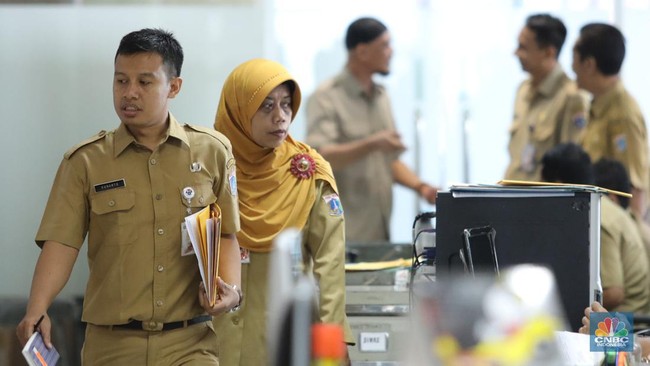
They were given uniforms and insignia to indicate their functions and status. This hierarchy enabled orders from the central government to be passed down through successive levels.
The Governor-General no longer needed to issue instructions directly to the lowest-level employees. Directives could be given to senior officials, who would then pass them on to their subordinates according to the established structure.
These changes made the government more centralised. Each official had a clearer position, function and responsibility in the administration of government.
Alongside the organisation of positions, the salary system was also an important part of Daendels’ reforms. He sought to ensure that officials earned an income from the state, so they would not need to seek additional profit through the positions they held.
Employees could also receive higher pay if their contributions matched their duties. Upon taking up a position, they were required to swear an oath of office to their superior.
Daendels’ reforms therefore did more than change the composition of government officials. They also regulated how employees carried out their duties, how orders passed from superiors to subordinates, and how the state remunerated those working for the government.
The system later became part of the colonial-era legacy of bureaucracy, which continued to develop and underwent various adaptations after Indonesia gained independence.
Source: jawawa.id (https://jawawa.id/newsitem/civil-service-in-indonesia-underwent-a-complete-overhaul-replacing-the-old-system-with-a-french-inspired-model-1794199837)
Originally published by CNBC Indonesia (https://www.cnbcindonesia.com/entrepreneur/20261109094042-25-783426/kerja-pns-di-ri-berubah-total-cara-lama-dihapus-mau-tiru-prancis), translated from Indonesian