
Civil Servants and Thousand Islands Residents Encouraged to Implement Waste Sorting Movement
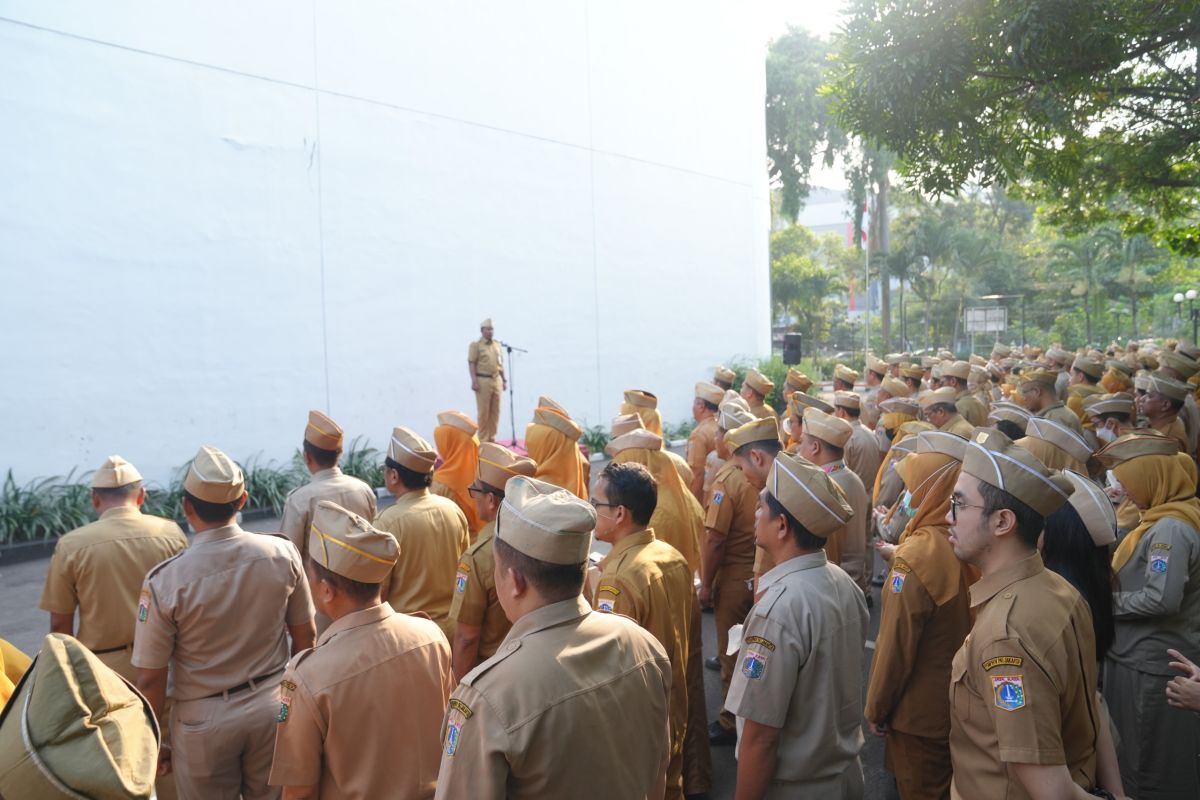
Jakarta (ANTARA) - The Deputy Regent of the Thousand Islands, Aceng Zaeni, has invited all Civil Servants (ASN) and the community in the island district of DKI Jakarta Province to implement waste sorting in their daily activities to maintain the surrounding environment. “The DKI Jakarta Provincial Government has declared Jaga Jakarta Bersih Pilah Sampah, and we can apply this in our daily lives,” he said in Jakarta on Monday. He encouraged all parties to sort household waste into organic, inorganic, hazardous (B3), and residual categories. Aceng also requested that officials at the sub-district and village levels engage the community in implementing source-based waste sorting. “It is hoped that this will be carried out maximally from the sub-district, village, to RT/RW levels,” he said. Previously, the Thousand Islands Environmental Sub-Department (Sudin LH) began implementing waste sorting and processing from the source in every household through Governor’s Instruction (Ingub) No. 5 of 2026 on the Waste Sorting and Processing Movement from the Source. The Head of the Thousand Islands Environmental Sub-Department (Sudin LH), Aldi Jansen, stated that his office is vigorously socialising waste collection and processing to the community. “In its implementation, the government will also provide incentives in the form of facilities and infrastructure to encourage active community participation in sorting and processing waste from the source, in accordance with applicable regulations,” he said. He explained that this effort to sort and process waste from the source is a way to minimise the volume of waste, so that only residual waste will be processed at the Final Waste Processing Site (TPA) in Bantar Gebang. “We continue to conduct socialisation and assistance, and will carry out a waste sorting declaration in DKI Jakarta Province. Sudin LH will ensure that waste entering Temporary Collection Points (TPS) is properly sorted and that collection from the source to TPS and transportation from TPS to TPA remains well-sorted,” said Aldi.