
Civil Servants and the New Intelligence of Bureaucracy
For Civil Servants (ASN), computer screens are no longer merely windows to documents, but have become a new workspace. Artificial Intelligence (AI) can assist in summarising documents, processing information, drafting, and identifying patterns from data in a short period.
This convenience presents both opportunities and important questions. When routine tasks can be assisted by machines, what abilities must a civil servant strengthen? This question is particularly relevant in Surabaya, East Java. The Surabaya City Government is making the strengthening of civil servant capacity part of its response to AI developments.
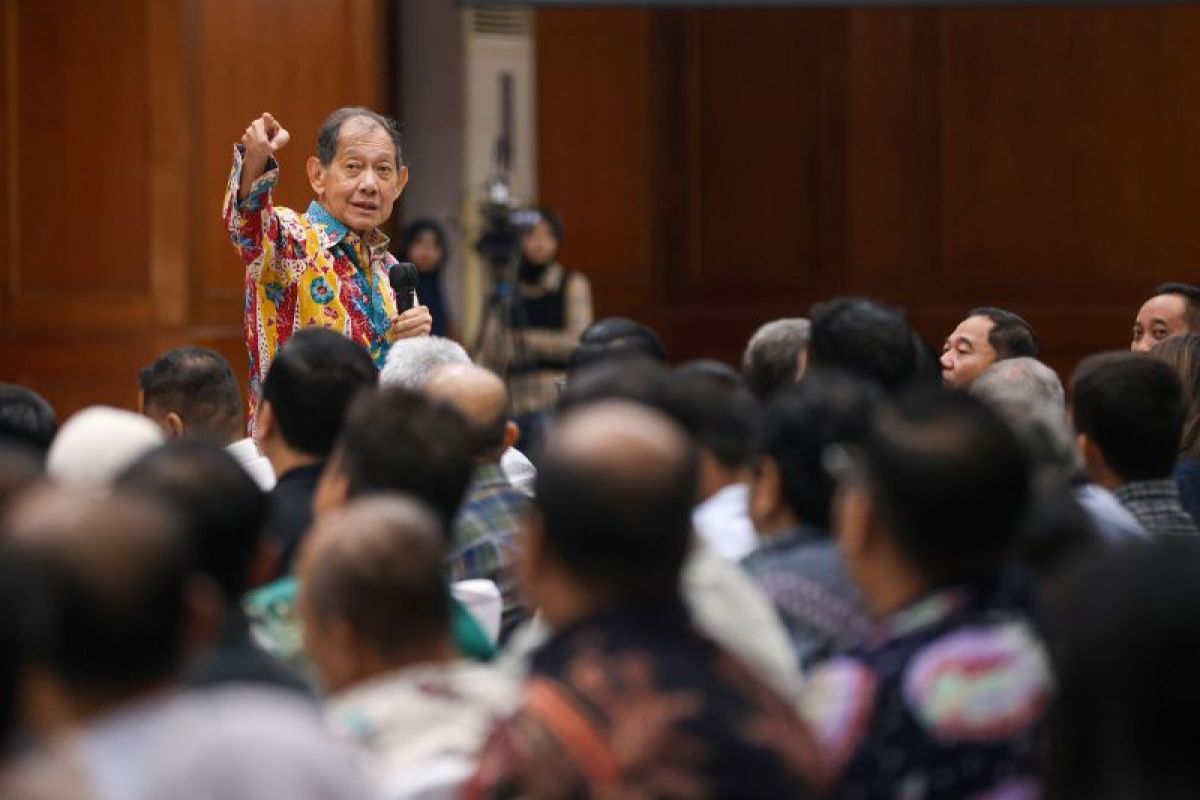
In the seminar “Winning The City Competition in The Age of AI,” held as part of the Surabaya Marketing Week 2026 on Saturday (5/9/2026), AI was discussed not merely as technology, but in relation to leadership, innovation, and changes in bureaucratic workflows. This direction aligns with the central government’s steps. The National Civil Service Agency (BKN) is preparing training and digital leadership capacity building for 14-5,000 civil servants to face the AI era.
BKN assesses that bureaucratic transformation in this era requires increasing the capacity of officials, rather than just adding technological devices. This means the challenge for the bureaucracy is no longer just being able to use applications. What is more decisive is the human ability to use technology appropriately, verify the results, and remain responsible for the decisions made.
AI has the potential to change the division of labour within the bureaucracy. Repetitive and administrative tasks can be assisted by technology, allowing civil servants more space to perform tasks that require reasoning, communication, creativity, problem-solving, and decision-making. However, the speed of machines does not always equate to accuracy. AI operates based on provided data and instructions. Therefore, errors are still possible when data is inadequate, context is misunderstood, or system outputs are not checked by humans.
The issue becomes more serious because the bureaucracy manages public interests. Population, health, education, social assistance, and licensing data are directly related to citizens’ rights. Errors in information processing can affect both the quality of service and government decisions.
Therefore, the measure of success in using AI should not only be how quickly work is completed. The more important question is whether technology helps produce more accurate decisions, easier services, and safer, more accountable governance. The government also recognises this need. In 2026, the Ministry of Communication and Digital (Komdigi) completed discussions on the draft Presidential Regulation concerning Artificial Intelligence Ethics and the National Artificial Intelligence Roadmap 2026–2029. This framework is aimed at ensuring that AI develops ethically, safely, and responsibly.
Source: jawawa.id (https://jawawa.id/newsitem/civil-servants-and-the-new-intelligence-of-bureaucracy-1788663449)
Originally published by Antara (Indonesian) (https://www.antaranews.com/berita/5727980/asn-dan-kecerdasan-baru-birokrasi), translated from Indonesian