
Civil Servants Allowed Flexible Working on Children's First Day of School
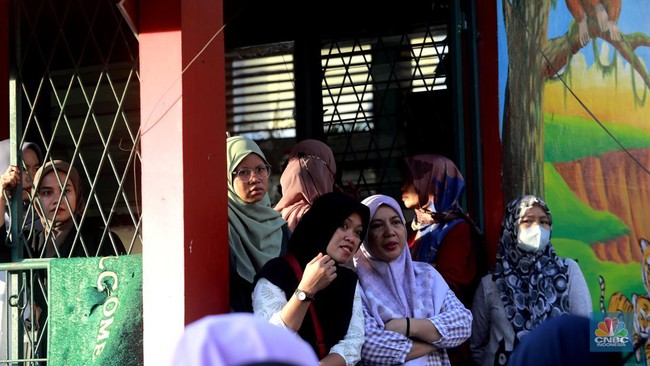
Minister for Administrative and Bureaucratic Reform Rini Widyantini has urged government institutions to provide work flexibility for civil servants who wish to escort their children on the first day of school. The appeal is contained in Ministerial Letter No. B/257/M.KT.02/2026, issued on Friday, 10 July 2026, as part of efforts to support the strengthening of family resilience and the role of families for civil servants. Through the letter, Personnel Development Officers at government institutions are asked to give civil servants with children at early childhood, primary, and secondary education levels the opportunity to accompany their children on the first day of school, referring to Ministerial Regulation No. 4/2025 on the flexible implementation of official duties for civil servants in government institutions. “The implementation of this work flexibility must not reduce the quality of governance and public services. On the contrary, we hope that through this policy, civil servants can work more focused, be more adaptive to developments, and achieve a better life balance,” Rini stated. She expressed hope that through proper flexible working arrangements, civil servants as parents can accompany their children on the first day of school without compromising professionalism, productivity, or the quality of service to the public. The appeal is also in line with the ‘Father’s Movement to Accompany Children on the First Day of School’ regulated in a circular by the Minister of Population and Family Development, as part of the national strategy to strengthen family resilience towards a Golden Indonesia 2045 and to address the phenomenon of fatherlessness by strengthening the role of parents, especially fathers, in early childhood care and education. “The presence of a parent in a child’s development is not merely complementary, but a fundamental pillar with profound and long-term impacts. This movement is a simple step that can have a psychological impact in bringing parents, especially fathers, closer to their children,” Rini concluded.