
City Council Praises Surabaya City Government's Traditional Market Revitalisation Programme
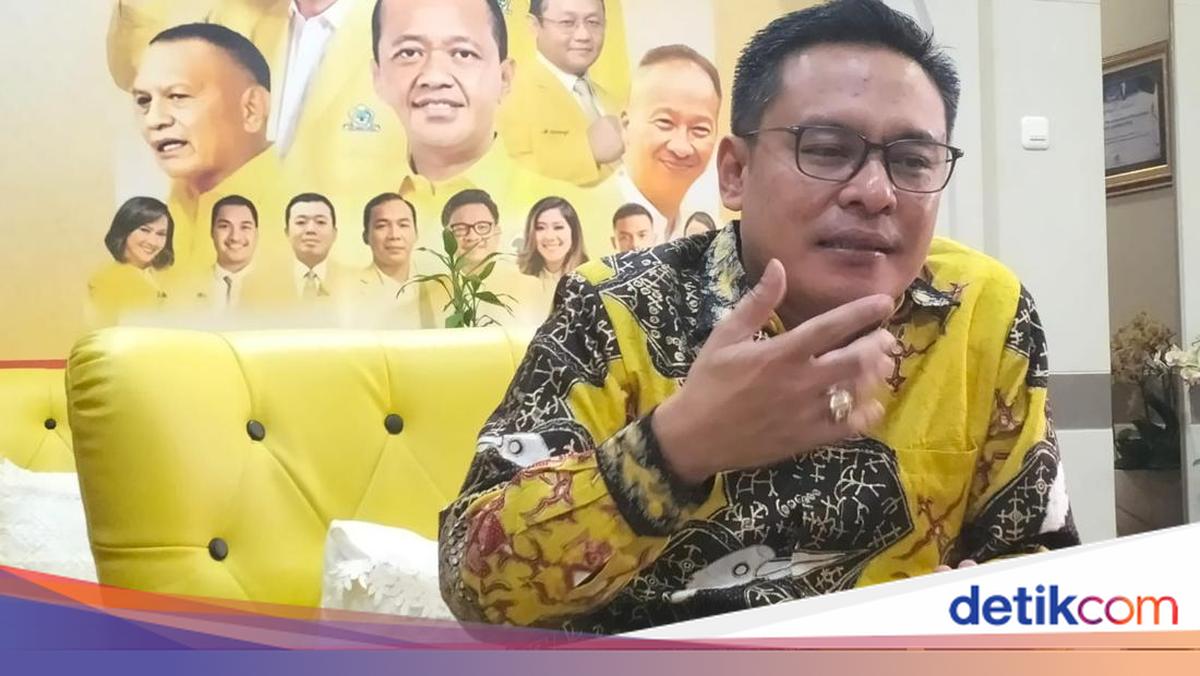
He stated that the policy serves as evidence of the government’s support for bolstering the people’s economy while addressing the long-standing stigma of traditional markets being associated with squalor and poor organisation. This was expressed during a session at the Surabaya City Council today. “Traditionally, the image of markets has been one of filth and uncleanliness. This revitalisation must be the momentum to change all that,” said Arif Fathoni in a written statement on Monday (4/5/2026). Fathoni stressed that the success of the revitalisation cannot rely solely on physical construction. The Surya Regional Market Company, as the manager, is urged to use this programme as an initial step towards a total rebranding of market management. Fathoni assessed that the management of traditional markets has so far not been optimal in utilising technological advancements, including to support traders’ marketing efforts. “We hope the Regional Market Company seizes this as an opportunity to rebrand its management. It can no longer operate on autopilot,” stated Fathoni. He cited the phenomenon in major markets like Tanah Abang Market, which is beginning to adapt to digital trends through sales based on live streaming on social media. According to him, a similar approach needs to be implemented in Surabaya. “Traders now must be adaptive. They can utilise TikTok, live streaming, or other platforms. This is part of revitalising the economic pulse of the markets,” he explained. To that end, he encouraged the Regional Market Company to collaborate with content creators to strengthen the promotion of traditional markets and change public perception. Besides digitalisation, trader development is key through ongoing education on cleanliness, merchandise arrangement, and business management. “Traders must be upgraded. How to maintain cleanliness, how to package products—that’s all important,” said Fathoni. He also reminded that the revitalisation should not stop at physical development without improvements in management quality. If not, there is a fear that the markets will revert to their previous condition. “Don’t let the city government show its support, but it goes unreciprocated. The Regional Market Company must be proactive,” stated Fathoni. The politician from the Golkar Faction even alluded to the phenomenon of krempyeng markets or independent community markets that are more vibrant than those under official management. According to him, this must serve as serious evaluation material for market managers in Surabaya. “Markets managed by the community alone can be bustling. This must be our self-criticism,” he asserted firmly. Fathoni hopes that in the future, the revitalisation of traditional markets will make Surabaya a pilot city in managing modern people’s markets based on collaboration between traditional economy and technology. “If the markets are clean, the management modern, and the traders adaptive, insyaallah Surabaya’s traditional markets can level up,” Fathoni concluded.