
Cision Report Reveals Hidden Consumer Trends Behind Search, Social Media and AI Data
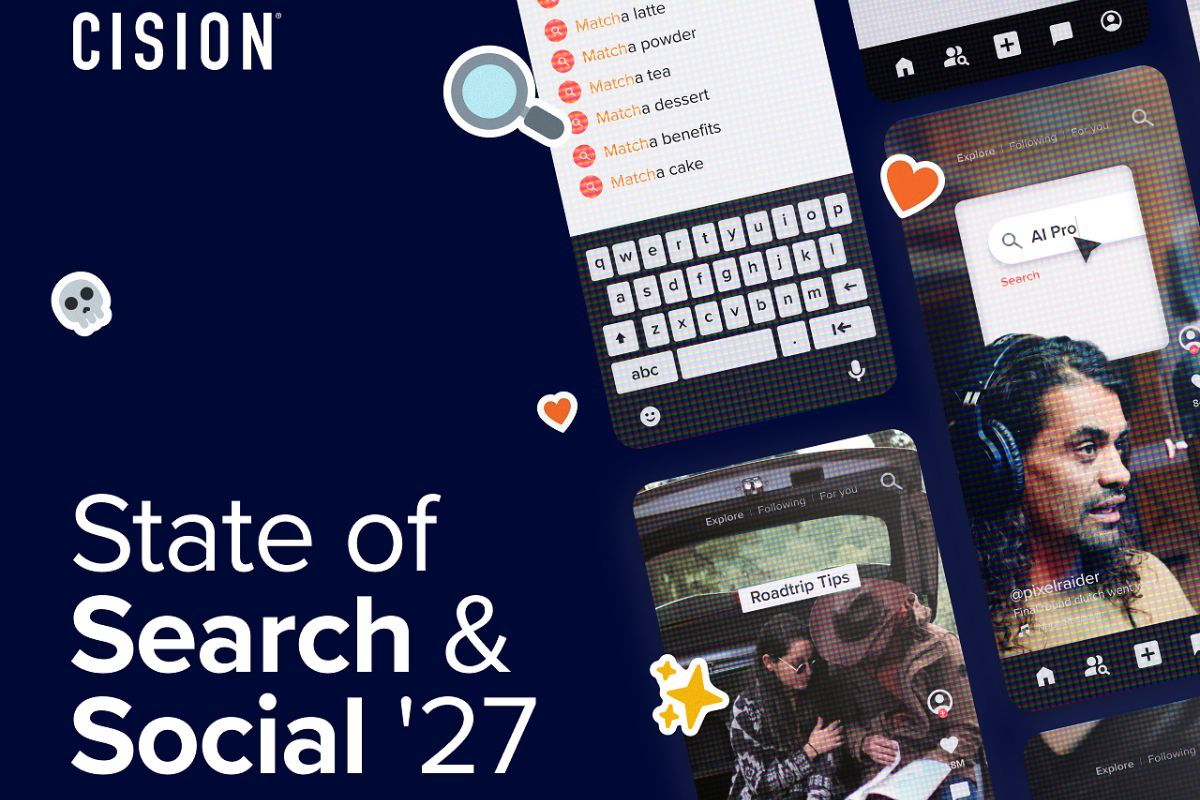
After analysing more than 564 million social media posts, thousands of search queries and AI prompts, the report examines what brands miss when different sources of information tell different stories.
Chicago (ANTARA/PRNewswire) — Cision, a global provider of consumer and media intelligence, today released a new report, The State of Search and Social 2027. It examines how combining insights from search, social media and AI can help brands better understand consumer interests, identify new business opportunities and make more informed investment allocation decisions.
Drawing on more than 564 million social media posts, nearly 5,000 search queries and AI prompts, the report highlights the difference between fleeting trends and enduring interests, while examining shifts in consumer perceptions. It also reveals a gap between what consumers discuss and how AI provides information about particular brands and topics.
For marketing and communications teams planning for 2027, the findings indicate that timing is as important as understanding what captures consumers’ attention. If a new trend is identified only after it has peaked, the opportunity to act on it may already have passed. By understanding how different signals relate as a trend develops, brands can identify opportunities, determine when to act and know when to change course.
“Some of the most useful consumer insights emerge when we look at how different channels connect,” said Amy Jones, Cision’s Chief Marketing Officer. “Search data can show a shift in trends. Social media helps explain why. And AI answers reveal what narratives consumers are receiving. Connecting these perspectives can help brands understand not only what is happening, but how to respond and when to act.”
Connected data reveals what is really driving consumer attention
The report examines consumer trends in health and wellness, food and drink, automotive, AI and online culture. Its findings challenge assumptions that can shape investment decisions, campaign strategies and reputation management:
Interest is not the same as acceptance. Search volumes for AI-related topics have risen 2,400% over the past four years, while social media conversations reveal concerns about the impact of data centres and rejection of low-quality AI-generated content, or “AI slop”. The takeaway: brands need to understand what is driving both curiosity and concern before deciding how to position AI.
Trends can change rather than disappear. Although initial searches related to “maxxing” have begun to ease, social media conversations show the trend evolving into new forms. Mentions of “whimsymaxxing” rose 917% year on year. The takeaway: examining search and social media data together can help brands determine whether a trend is fading or transforming into something new.
Timing matters as much as a trend’s staying power. Dubai chocolate became a viral food trend in 2025, but the surge in searches faded almost as quickly as it appeared. Matcha, by contrast, is an enduring trend that consumers continue to search for. The takeaway: connecting search and social media data can help businesses assess how long a trend may last and when to act on it.
AI visibility extends beyond your own website. In an analysis of AI answers to queries about the “best cars”, Toyota led with a 13.8% share of brand mentions. However, Toyota’s own website accounted for only a small fraction of the sources cited by large language models (LLMs), far behind YouTube, which accounted for more than 4,000 cited sources. The takeaway: to understand brand visibility in AI answers, companies need to identify the third-party sources shaping those recommendations.
What consumers discuss may differ from what AI emphasises. Analysis of magnesium glycinate found that its stress-relief benefits were widely discussed on social media, while AI answers focused on its bone-health and cardiometabolic benefits. The takeaway: brands need to understand not only what consumers discuss, but also how AI platforms frame a topic when answering questions about it.
AI answers’ influence on brand visibility and consumer demand
Brands need to understand not only what people discuss and search for, but also what information they receive in AI answers. In the automotive analysis, the most frequently cited sources were YouTube creators, editorial media and individual journalists, rather than car manufacturers themselves. Coverage, reviews and community discussions about a brand are now part of the information base behind the answers buyers receive. By connecting these perspectives, teams can identify unmet needs, understand potential barriers to purchase, and make better-informed decisions about investment allocation and communications strategy.
Do not just track trends — understand what they mean
The report sets out five questions to help teams connect what consumers search for, discuss on social media and see framed in AI answers. Teams that continue to measure these signals separately will find it increasingly difficult to understand what consumers are asking, discussing and taking in. By connecting the information, businesses can identify gaps in understanding and make more informed decisions about campaigns, investment and communications.
Download The State of Search and Social 2027 to read the full report and explore all its findings.
Learn more about how Cision connects insights from the media, social media, search and AI visibility.
About the research
The report is based on Brandwatch Consumer Research and Trajaan data covering 564.61 million social media posts, 4,678 search queries and AI prompts. The research ran from August 2025 to August 2026. Some analyses use longer historical data ranges and examine AI-generated responses to provide additional context. Each chart includes its own date range.
About Cision
Cision is a global provider of consumer and media intelligence, engagement and communications solutions. It equips public relations, corporate communications, marketing and social media professionals with the tools they need to succeed in today’s data-driven world.
With deep expertise, exclusive data partnerships and award-winning products including Trajaan, Brandwatch, CisionOne and PR Newswire, Cision combines insights from search, social media and media coverage to help teams understand what is happening, shape conversations and strengthen their influence.
More than 75,000 companies and organisations, including 84% of the Fortune 500, rely on Cision to make better-informed decisions and achieve their goals.
Source: jawawa.id (https://jawawa.id/newsitem/cision-report-reveals-hidden-consumer-trends-behind-search-social-media-and-ai-data-1794282796)
Originally published by Antara (Indonesian) (https://www.antaranews.com/berita/5843203/laporan-cision-ungkap-tren-konsumen-yang-tersembunyi-di-balik-data-penelusuran-media-sosial-dan-ai), translated from Indonesian