
Ciremai Train Serves 126,580 Passengers from January to May 2026, Connecting Cultural, Educational, Industrial, and Tourism Hubs across Central and West Java
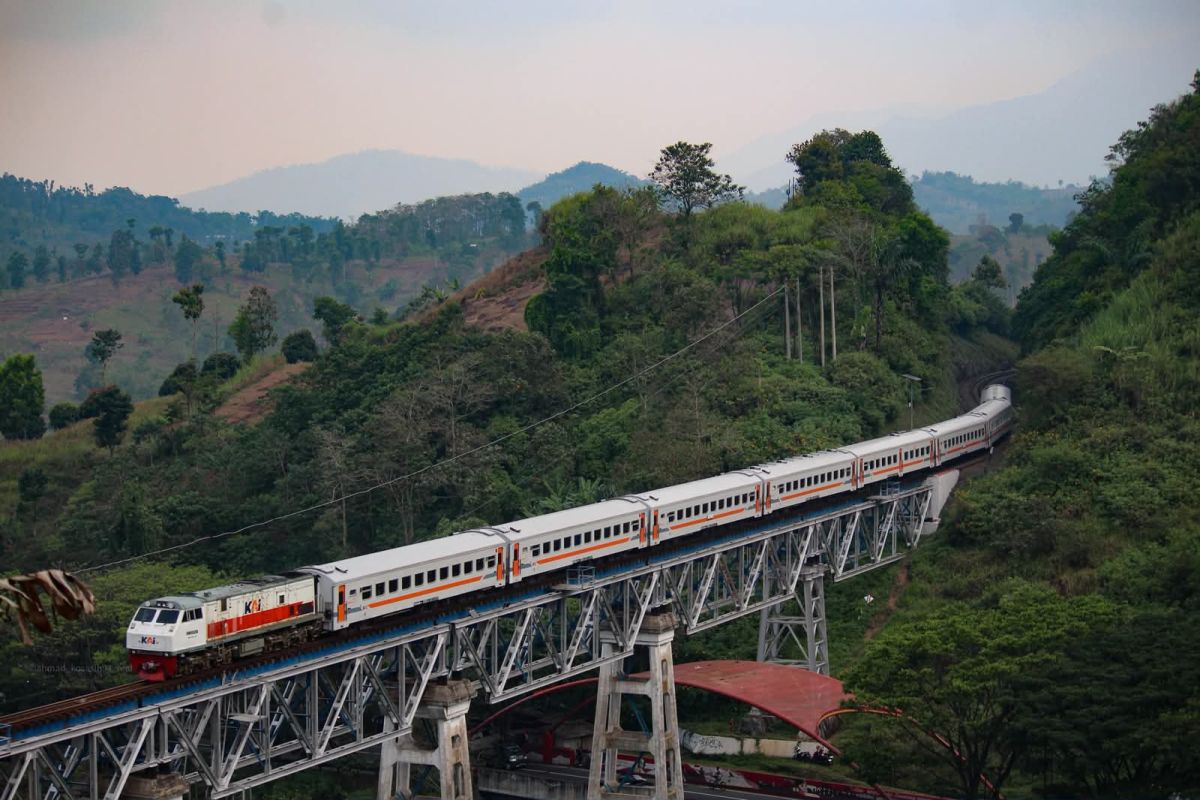
Jakarta (ANTARA) - Weekends have become a highly anticipated time for many to visit family, explore different cities, attend educational activities, conduct business, or go on holiday. On the island of Java, these various travel destinations converge along a single route connecting cities with diverse characters. From Semarang, which has grown as a centre of government and trade; Pekalongan, with its batik heritage; Tuan, known as a dynamic coastal city; Cirebon, as a cultural hub of the North Coast (Pantura); to Bandung, a centre for education and the creative economy, all are connected through the Ciremai train service.
From January to May 2026, the Ciremai train service on the Semarang Tawang–Bandung route recorded a passenger volume of 126,580. This figure represents a 9.02 per cent increase compared to the same period in 2025, which reached 116,104 passengers.
KAI Vice President of Corporate Communication, Anne Purba, stated that this growth demonstrates the strengthening need within society for transport services that connect various centres of economic, educational, social, and tourism activity on Java. “The growth in Ciremai train passengers shows that the need for intercity mobility continues to increase. This service connects various community activity centres in Central Java and West Java in one efficient and comfortable journey,” said Anne.
The name Ciremai is taken from Mount Ciremai, the highest volcano in West Java, located in the Kuningan and Majalengka regencies. The name is closely linked to Cirebon, one of the important cities served by the Ciremai train, which has long been known as a centre of trade and cultural intersection on the north coast of Java.
The Ciremai journey begins at Semarang Tawang Station. According to the 2025 Semarang City in Figures publication by the Central Bureau of Statistics (BPS), the population of Semarang City has reached approximately 1.72 million people. As the capital of Central Java Province, Semarang has developed as a centre for government, trade, services, processing industry, logistics, and education. High economic activity is supported by the presence of Tanjung Emas Port, industrial zones, and various universities. Semarang’s Old Town, Lawang Sewu, Sam Poo Kong, and Semarang Batik Village are part of a city identity that continues to attract visitors from various regions.
From Semarang, the Ciremai train continues to Pekalongan. According to Pekalongan City in Figures 2025, the population of Pekalongan City is approximately 319,000. This city is known as one of the largest batik industry centres in Indonesia and has been part of the UNESCO Creative Cities Network since 2014. The batik-based creative industry thrives alongside the trade and service sectors, which are the main pillars of the local economy.
The journey continues through Pemalang and Tegal. According to Tegal City in Figures 2025, the population of Tegal City is approximately 292,000. Its strategic location on the Pantura route has allowed the city to develop as a centre for trade, services, fisheries, and maritime activities. The tradition of ‘teh poci’, coastal cuisine, and its proximity to various tourist destinations in the Tegal area make it a busy travel destination throughout the year.
The Ciremai train also serves Brebes. According to Brebes Regency in Figures 2025, the population of Brebes Regency exceeds 2 million people. This regency is known as the largest shallot production centre in Indonesia and plays a vital role in the national agricultural sector. Community mobility to and from Brebes is growing alongside the development of trade, education, and the distribution of agricultural products to various regions.
Entering the Cirebon region, the journey presents a blend of history, culture, and economy. According to Cirebon City in Figures 2025, the population of Cirebon City is approximately 352,000. The city serves as the centre of the Ciayumajakuning region, which includes Cirebon, Indramayu, Majalengka, and Kuningan. Keraton Kasepuhan, Keraton Kanoman, Batik Mega Mendung, Empal Gentong, and Nasi Jamblang are part of the cultural wealth that makes Cirebon a leading destination in West Java.
The journey next passes through Jatibarang and Haurgeulis in the Indramayu Regency. According to Indramayu Regency in Figures 2025, the population of this regency is approximately 1.9 million. Indramayu is one of the largest rice production centres in Indonesia, playing a crucial role in supporting national food security. Agricultural activities, trade of produce, education, and intercity travel form the growing community mobility in this region.
From Indramayu, the Ciremai train heads to Cikampek, known as one of the most strategic transport hubs on Java. Its geographical position connects industrial areas in West Java with various major cities on the island, making it a vital point for both public mobility and national economic activity.
Thereafter, the Cirebon train stops at Purwakarta. According to Purwakarta Regency in Figures 2025, the population of Purwakarta Regency is approximately 1.03 million. This regency is developing as a manufacturing industrial area as well as a growing tourist destination. The Sri Baduga Water Fountain, Situ Buleud, and various natural destinations in the hilly areas are major attractions for visitors during weekends.
Before arriving in Bandung, the Ciremai train also serves Cimahi, which is known for its strong military history and is an important part of the Greater Bandung metropolitan area. Daily mobility in this region is supported by economic, educational, and residential links integrated with Bandung City.