
Cirebon's Sitiwinangun Pottery Holds Potential as Educational Tourism Destination
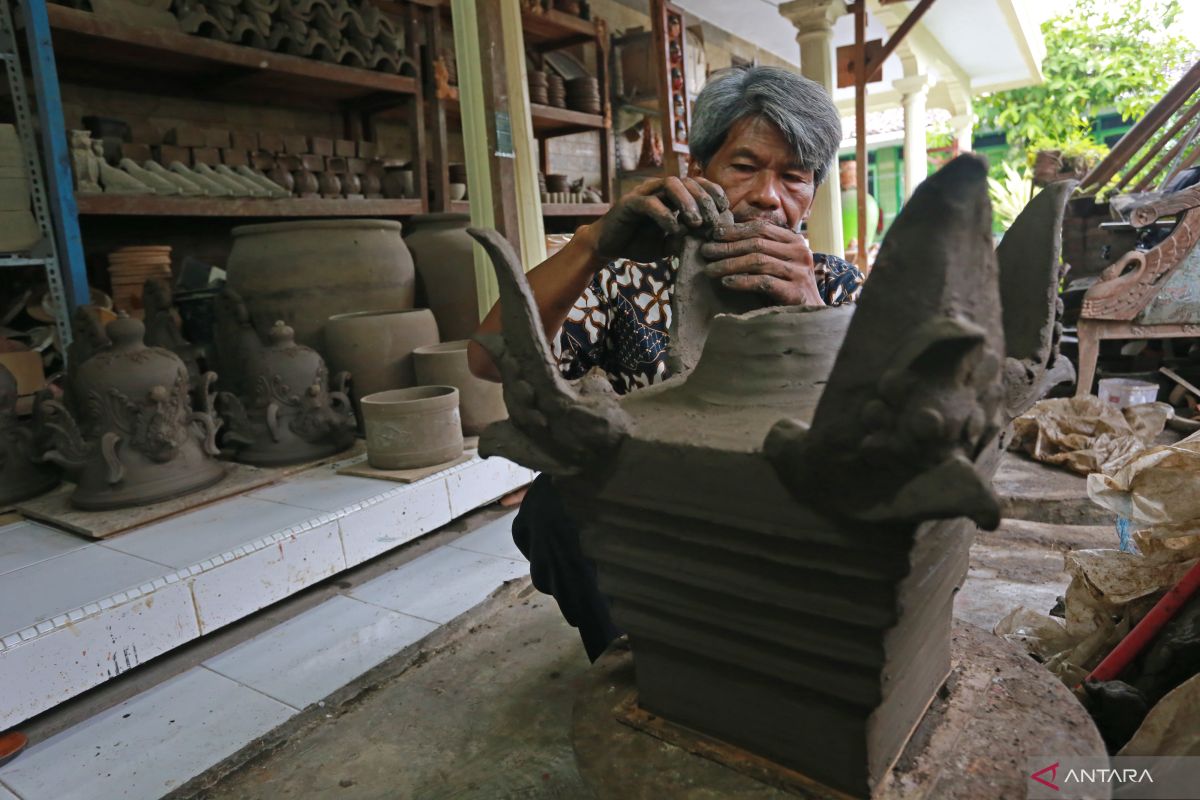
The Culture and Tourism Office (Disbudpar) of Cirebon Regency, West Java, has stated that Sitiwinangun Pottery has the potential to be developed into an educational tourism destination based on craftsmanship to strengthen the preservation of cultural heritage while supporting the community’s economy. Disbudpar Cirebon Secretary Juju Juhariah said on Tuesday that the traditional craft developed in Sitiwinangun Village, Jamblang District, is a cultural asset whose sustainability must be maintained. “Sitiwinangun Pottery has great potential to develop into a leading educational tourism destination and a craft-based tourism village,” she said. According to her, the development of this potential must be accompanied by preservation efforts so that the pottery-making skills passed down through generations are not lost over time. She assessed that cultural heritage preservation cannot be carried out by the government alone but requires support from various parties. Therefore, she said, collaboration between the government, academics, businesses, the community, and the media is an important factor in strengthening preservation while developing the economic value of Sitiwinangun Pottery. Juju stated that this collaboration is expected to generate various ideas and recommendations that support the development of pottery as one of the cultural identities of Cirebon Regency. In addition to having historical value, she continued, Sitiwinangun Pottery also holds philosophical value and is a source of livelihood for artisans in the area. Consequently, her office has organised a Sitiwinangun Pottery Seminar as a space for exchanging ideas on strategies for the preservation and development of this traditional craft. “We hope that from today’s forum, policy recommendations and cooperation networks will emerge that can elevate Sitiwinangun Pottery so that it becomes better known and provides broader benefits to the community,” she said. Pottery artisans in Sitiwinangun Village have existed since the 15th century and developed rapidly with the spread of Islam, which brought the art of pottery-making skills. The village was originally known as Padukuhan Kebagusan but was later named Sitiwinangun by Syekh Dinureja, a religious scholar who also taught pottery-making skills. The technique for making Sitiwinangun pottery remains traditional, using a pottery wheel method that requires high skill, patience, and precision to create strong and beautiful pottery. Sitiwinangun Pottery is famous for its unique designs and high quality, including water barrels, jugs, and teapots decorated with floral vine motifs.