
Cirebon Tourism Office Draws Up Creative Economy Development Plan
Cirebon (ANTARA) - The Culture and Tourism Office (Disbudpar) of Cirebon, West Java, is preparing a development plan to position the city as a national creative-economy model, after it was judged to have significant cultural potential and a well-established creative-industry ecosystem.
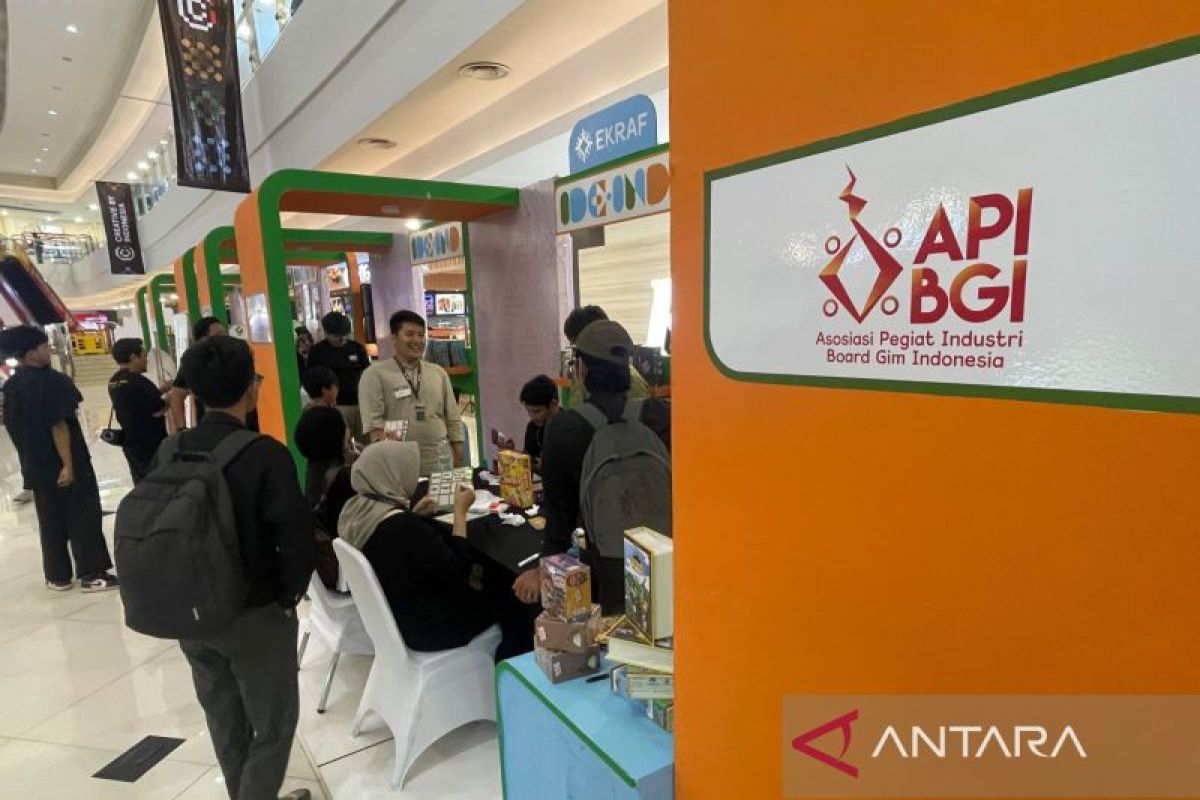
Disbudpar head Agus Sukmanjaya said in Cirebon on Friday that the idea emerged after the Ministry of Creative Economy (Kemenekraf) recognised the region’s potential and collaboration among stakeholders at the IDE.IND event.
“They saw how Cirebon’s cultural wealth inspires the growth of creative ideas,” he said.
Cirebon has several assets for developing the sector, he said, including its cultural heritage, creative communities, businesses, universities, media and local-government support.
The relatively small size of Cirebon city is also an advantage in coordinating the various creative-economy subsectors, compared with regions covering larger areas, he said.
“The ecosystem in Cirebon is already quite good. Collaboration between the local government, businesses, communities, media and universities is already strong,” he said.
As a follow-up, Disbudpar and relevant stakeholders are formulating a concept that is expected to be submitted to Kemenekraf in December 2026.
Agus said the development plan would make use of several areas where creative activities are already under way, including cultural heritage sites integrated with local economic activity.
One example is the Mask Museum, which could serve not only as a place to view cultural collections but also as a venue for batik workshops, discussions, creative-industry development and literacy activities.
“The Tabalong area has also seen collaboration among the local government, communities, state-owned enterprises and the Citarum River Basin Organisation (BBWS), including through the EduTrain educational-tourism package,” he said.
Tabalong is an acronym for Taman Bacaan Cikalong, also known as Sinau Tabalong. The area is a green and educational public space on the banks of the Cikalong River. It has been developed as a model for maintaining clean and attractive river infrastructure, and serves as a learning centre for local residents and children.
The palace area, meanwhile, is considered to have creative-economy potential through the involvement of various parties, including Bank Indonesia, and traditional culinary activities at Pawon Bogana, he said.
Further potential was also on display at the IDE.IND event on Thursday (5 November), which featured innovative products by local creative-economy entrepreneurs, including soap made from used cooking oil, developed by a university student.
Suci Zaitiani, a student at UIN Siber Syekh Nurjati Cirebon, said the innovation turns used cooking oil, which is often discarded, into a useful product.
“My three colleagues and I developed the product over about two months, conducting several trials until we found the right formula,” she said.
Source: jawawa.id (https://jawawa.id/newsitem/cirebon-tourism-office-draws-up-creative-economy-development-plan-1793969510)
Originally published by Antara (Indonesian) (https://www.antaranews.com/berita/5837047/disbudpar-kota-cirebon-susun-konsep-pengembangan-ekraf), translated from Indonesian