
Circular Economy Creates New Business Opportunities, Turning Waste into Economic Value
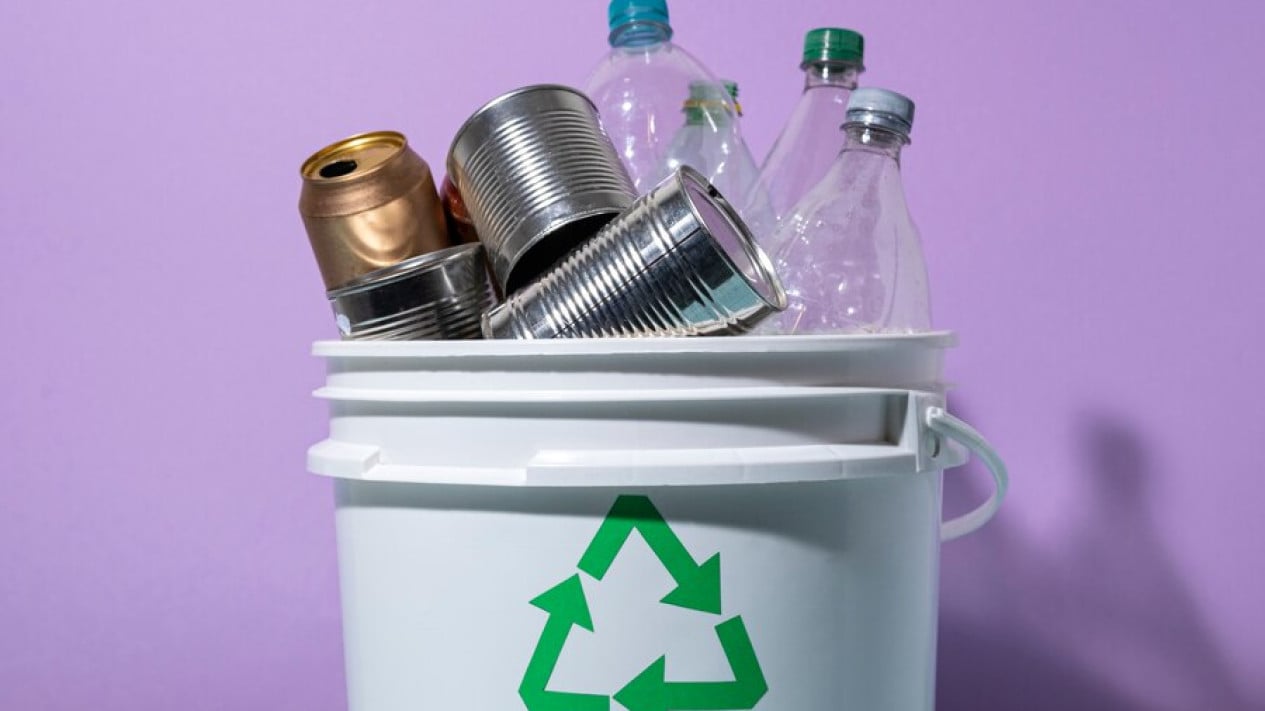
The circular economy is becoming an increasingly important approach to promoting sustainable business. It changes the way waste is viewed: from material that must be discarded into a resource that can still be used and has economic value.
Through collection, sorting, reuse and recycling, previously unused materials can re-enter the production chain. As well as reducing environmental pollution, this approach creates business opportunities, improves resource efficiency and generates new economic activity.
Applying circular-economy principles gives businesses opportunities to reduce their dependence on virgin raw materials while making better use of materials. Processed waste can become a source of alternative raw materials for industry.
This model also creates an economic chain involving various parties, from collectors and processors to manufacturers. With structured management, recycling not only delivers environmental benefits but also creates income opportunities and economic livelihoods for communities.
Plastic Waste Management Remains a Challenge
In Indonesia, plastic waste management still requires attention. Data from the National Waste Management Information System (SIPSN) records national waste production at around 56.6 million tonnes a year. Of this total, plastic waste accounts for around 10.59 million tonnes, or 18.71 per cent.
In 2025, SIPSN data from 278 regencies and cities recorded around 29.2 million tonnes of household and similar waste generated each year. However, only 32.9 per cent was properly managed, while the remaining 67.1 per cent was not handled.
The World Bank estimates that around 4.9 million tonnes of plastic waste in Indonesia is poorly managed. An estimated 346,500 tonnes of plastic waste also enters Indonesian waters each year.
These figures highlight the importance of strengthening collection and recycling systems so that waste which still has value does not end up polluting the environment.
Business Collaboration Strengthens a Sustainable Economy
Businesses have a role to play in accelerating the development of the circular economy through investment, processing innovation and collaboration with communities. Company involvement can also strengthen the supply chain for recycled materials while creating economic benefits for those involved.
Source: jawawa.id (https://jawawa.id/newsitem/circular-economy-creates-new-business-opportunities-turning-waste-into-economic-value-1795283441)
Originally published by VIVA.co.id (https://www.viva.co.id/bisnis/1945466-ekonomi-sirkular-buka-peluang-bisnis-baru-limbah-bisa-jadi-sumber-nilai-ekonomi), translated from Indonesian