
CIPS: Regulatory certainty and efficient licensing are key to sustaining PMI momentum
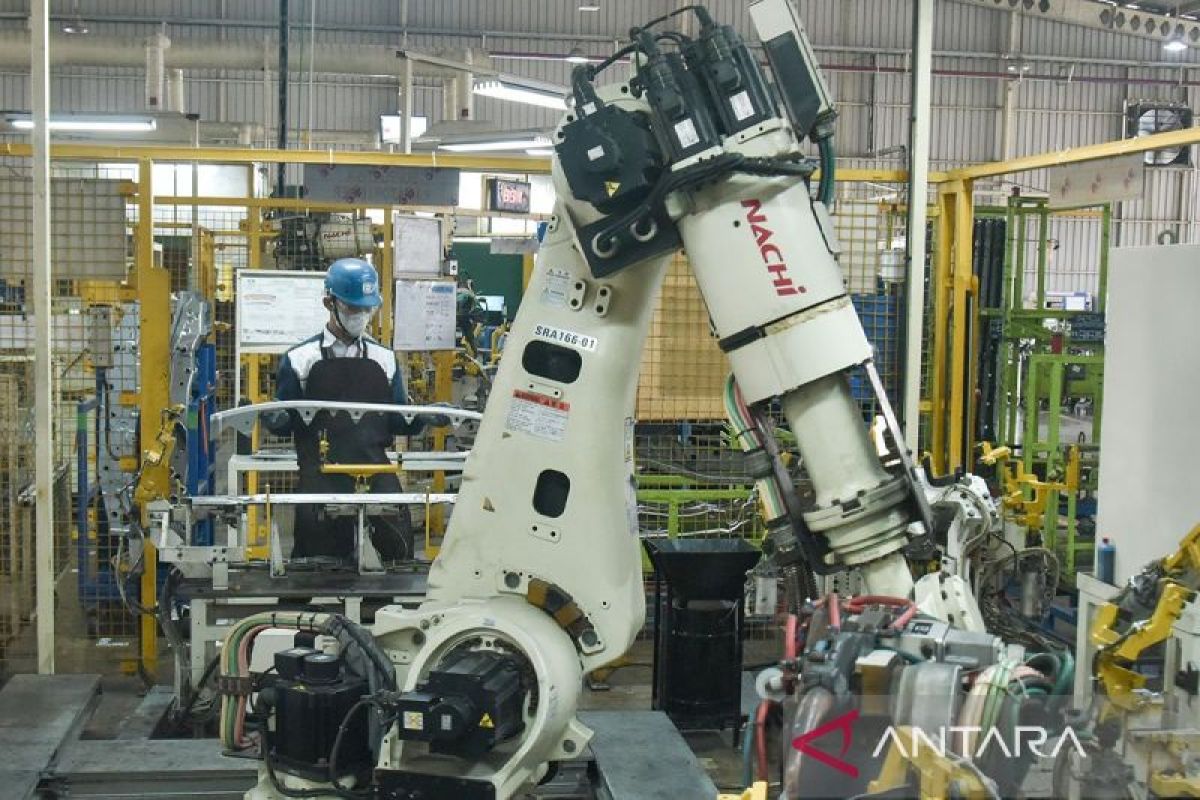
Jakarta (ANTARA) – Center for Indonesian Policy Studies (CIPS) Senior Fellow Krisna Gupta said regulatory certainty and efficient licensing services were important to sustaining the industrial recovery reflected in the rise in the Purchasing Managers’ Index (PMI) in October 2026.
He said predictable policies and fast, transparent licensing processes were needed to enable businesses to capitalise on stronger market demand by expanding production or making new investments.
“This momentum needs to be sustained by continuing to prioritise policy certainty and improving the implementation of service-level agreements (SLAs) for business licensing,” Krisna said in a statement in Jakarta on Wednesday.
The manufacturing recovery was reflected in Indonesia’s Manufacturing PMI, released by S&P Global, which reached 54.0 in October 2026, its highest level since March 2024.
Meanwhile, the Industrial Confidence Index (IKI), released by the Ministry of Industry, rose by 1.84 points to 53.77, its highest level since February 2026.
Ministry data showed that the IKI’s new orders index increased to 56.08, its second-highest level since November 2022. Stronger demand also lifted the production index to 55.38.
Krisna said policy certainty was an important factor for businesses when deciding on expansion and investment. As market demand increases, industrial companies need licensing processes that are fast, transparent and predictable so they can seize growth opportunities promptly.
He stressed that rising industrial orders needed to be matched by production capacity and adequate policy support.
For that reason, the implementation of SLAs for business licensing needs to be strengthened.
With improved service-time standards, businesses are expected to have greater certainty when planning operational activities and investment development.
Alongside licensing issues, Krisna also highlighted production-side challenges, particularly limited capacity and pressure from input costs.
Both factors could affect companies’ ability to meet rising demand fully.
According to the IKI, 19 of the 23 industrial subsectors—accounting for 94.4 per cent of non-oil and gas manufacturing GDP in the second quarter of 2026—were in an expansion phase.
Meanwhile, the share of businesses reporting a decline in activity fell to 19.5 per cent, its lowest level since November 2022.
The Ministry of Industry said these developments presented an opportunity to strengthen policy coordination across sectors, particularly to support the smooth supply of raw materials, production-cost efficiency, investment development and improved market access.
Source: jawawa.id (https://jawawa.id/newsitem/cips-regulatory-certainty-and-efficient-licensing-are-key-to-sustaining-pmi-momentum-1793760759)
Originally published by Antara (Indonesian) (https://www.antaranews.com/berita/5830439/cips-kepastian-regulasi-dan-efisiensi-izin-jaga-momentum-pmi), translated from Indonesian