
CIPS recommends strengthening MSMEs after Pertamax price hike
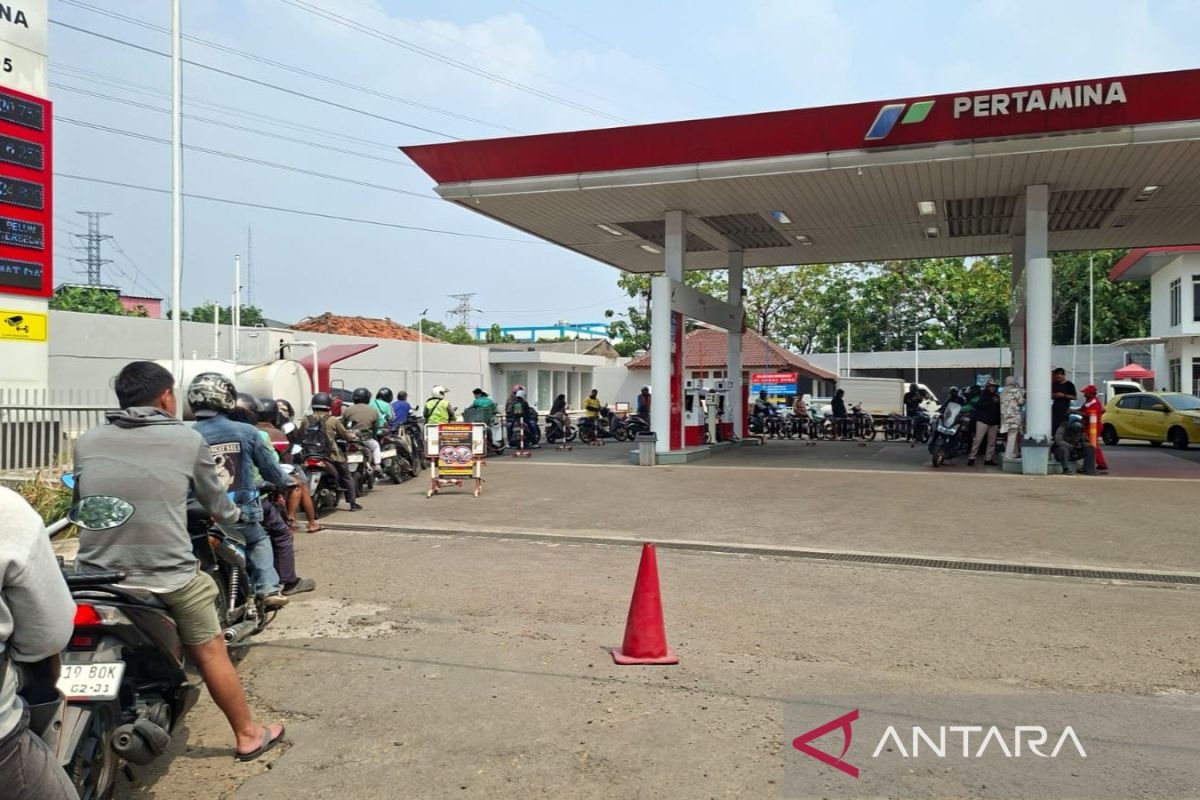
Jakarta (ANTARA) - The Center for Indonesian Policy Studies (CIPS) has suggested the government prepare policy responses that support the strengthening of micro, small, and medium enterprises (MSMEs) following the increase in non-subsidised fuel prices, such as Pertamax.
CIPS Senior Researcher and Policy Analyst Hasran explained in a written statement in Jakarta on Friday that rising transport costs due to higher fuel prices could push households to reduce spending on basic necessities. Additionally, non-primary consumption such as dining out, purchasing ready-to-eat food and beverages, entertainment, recreation, and various lifestyle products is also likely to decline.
“Many MSMEs are heavily dependent on middle-class spending. When consumers begin to hold back on expenditure, the impact will be seen in the sales of small businesses, especially in the food and beverage sector and various household consumption-based services,” said Hasran.
Simultaneously, Hasran continued, MSMEs are also facing pressure from the production cost side. The weakening of the rupiah exchange rate against the US dollar has increased the prices of various imported raw materials widely used by business actors, including soybeans, wheat, and sugar.
“On one hand, consumer demand has the potential to weaken due to declining purchasing power. On the other hand, production and operational costs continue to rise,” he said.
CIPS highlighted that the government needs to prepare both short-term and long-term policies to maintain the resilience of MSMEs. In the short term, the government must maintain macroeconomic stability and strengthen confidence in the rupiah through available instruments to reduce exchange rate pressure on business production costs.
Meanwhile, in the long term, the government is advised to lower various economic costs that still burden MSMEs. This can be achieved by reducing non-tariff measures (NTMs), reviewing import tariffs on raw materials that still burden industries, simplifying export-import procedures, strengthening logistics infrastructure, and increasing digitalisation and transparency of trade services.
“The resilience of MSMEs is largely determined by the ability of business actors to obtain raw materials and run their businesses at competitive costs. Therefore, structural reforms to lower business costs need to be part of a more comprehensive policy response,” said Hasran.